
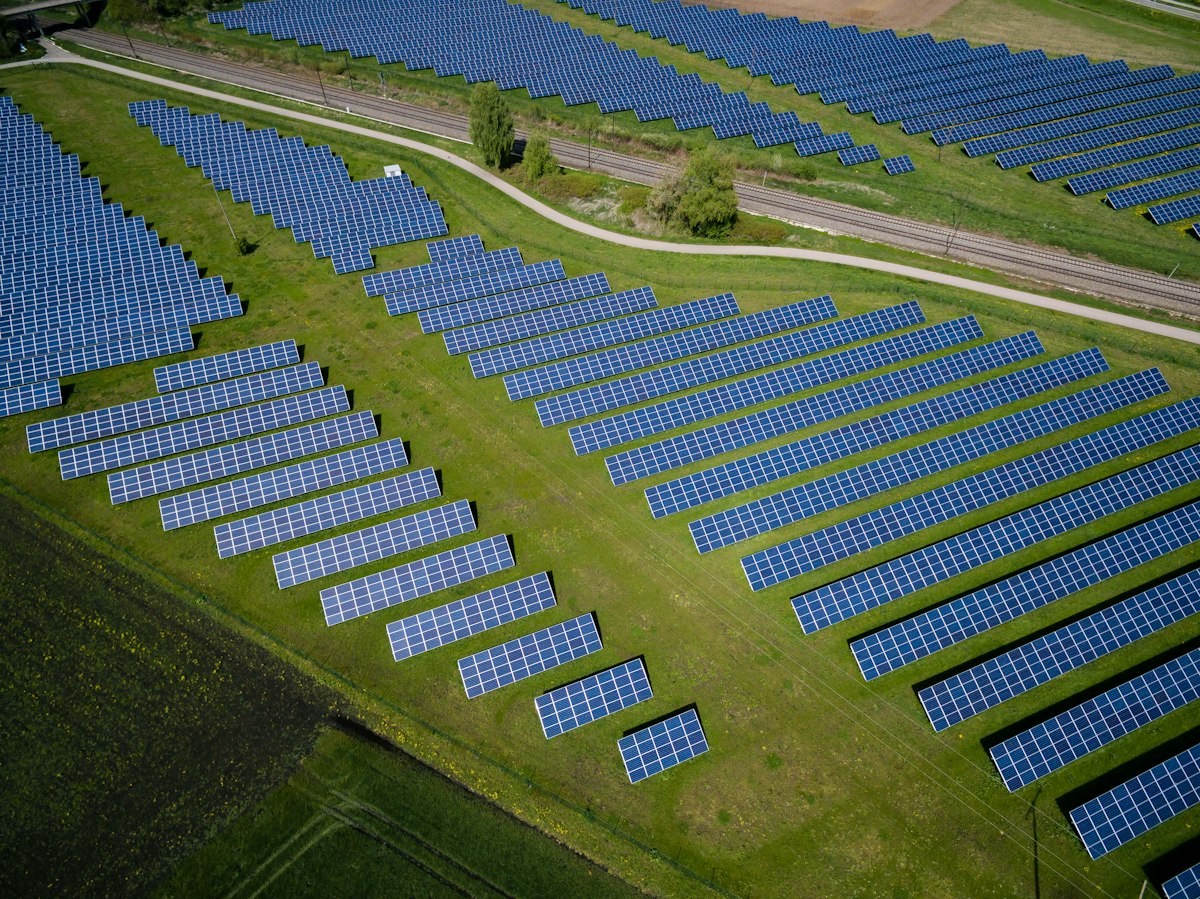
In a significant achievement for the Lone Star State, Texas has officially surpassed its renewable energy production goals for 2026, a feat largely facilitated by recent legislative support and private investments in wind and solar energy.
As of July 2026, Texas generates over 30% of its electricity from renewable sources, primarily wind and solar, which is above the 25% target set by lawmakers in 2021. This growth has been fueled by investments from major players such as NextEra Energy and Enel Green Power, who have committed billions to expand their renewable infrastructure across the state.
“The commitment from both the state and private sector has been nothing short of inspiring,” said John Smith, the CEO of NextEra Texas. “We are proving that sustainable energy can be both economically viable and beneficial for our communities.”
In the last year alone, the Texas grid has seen a 15% increase in renewable energy capacity, adding over 10,000 megawatts of wind and solar power. Reports indicate that over $7 billion was invested in new projects, generating thousands of jobs across the state, particularly in cities such as Abilene and San Antonio.
The Texas Public Utility Commission (PUC) reports that renewable sources now account for more than 18,000 megawatts of wind energy and nearly 12,000 megawatts of solar energy in the state's grid. It is projected that by 2030, these figures could grow to 50%, positioning Texas as a leader in the national renewable energy landscape.
However, this rapid growth has not come without challenges. Critics have raised concerns about the intermittent nature of renewable energy sources and their reliability during peak demand times. To address these concerns, the PUC is exploring battery storage solutions and grid enhancements that could smooth out energy delivery.
Moreover, environmental organizations have praised the state's efforts but urge for more stringent regulations to ensure that the expansion does not come at the expense of local ecosystems. “We need to balance development with sustainability,” said Angela Peters, a senior environmental policy advisor with the Texas Environmental Coalition.
As Texas continues to lead the nation in renewable energy, the collaborative efforts of the state government and private sector will be crucial in maintaining momentum towards a more sustainable energy future.