
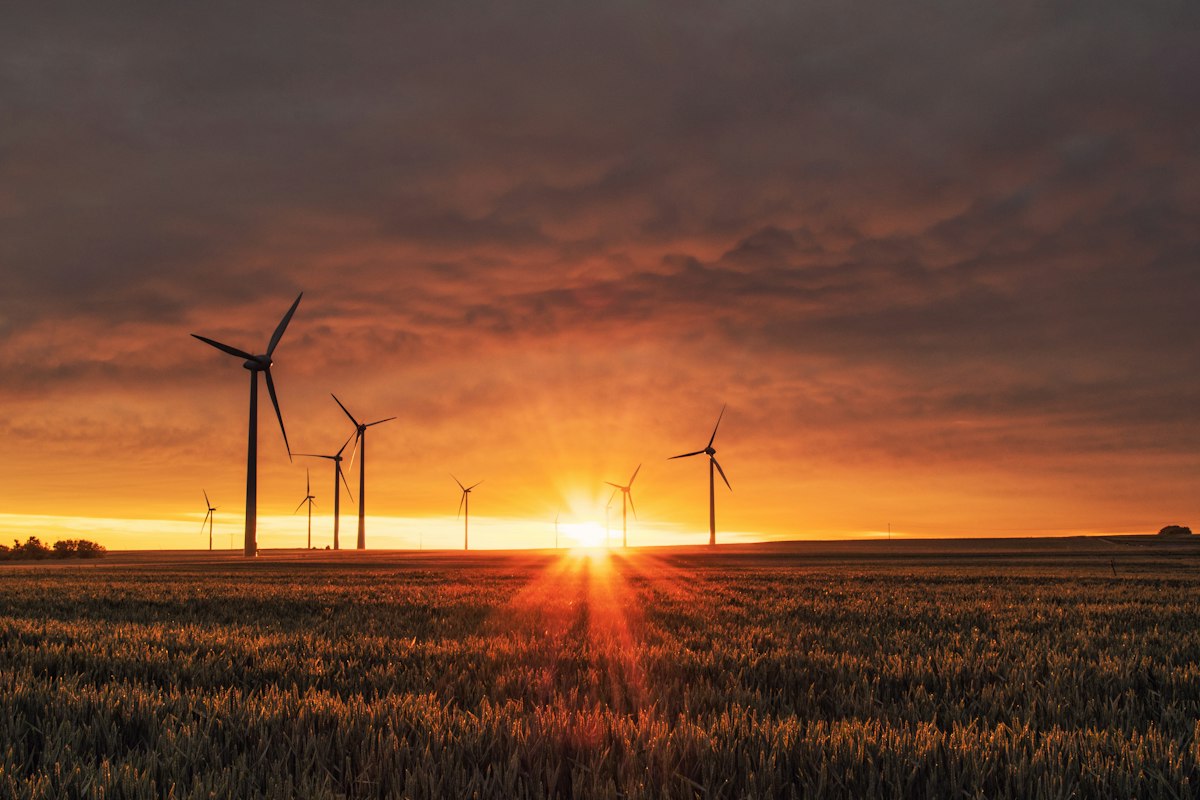
The energy storage sector in Texas is experiencing rapid growth, driven by innovations that promise to reshape the state's energy landscape.
As the reliance on renewable energy sources increases, efficient energy storage solutions have become critical for maintaining grid stability. In 2026, Texas has seen a considerable uptick in energy storage installations, with total capacity exceeding 5,500 megawatts, a significant increase from 3,200 megawatts just two years prior.
According to the U.S. Energy Information Administration, Texas now leads the nation in battery storage deployment, thanks in part to innovative projects like the Battery Storage Pilot Program initiated by Vistra Corp. in partnership with University of Texas at Austin. This program aims to demonstrate the commercial viability of large-scale battery systems, with initial results indicating promising efficiency and cost-effectiveness.
"Energy storage solutions are no longer just an afterthought; they are integral to our energy strategy moving forward," said Mark Jones, Chief Technology Officer at Vistra Corp.. "We are leveraging Texas's vast renewable resources by developing storage technologies that can ensure a reliable power supply, even during peak demand periods."
Additionally, the recent passage of the Energy Storage Incentive Program by the Texas legislature has provided financial incentives for companies to invest in energy storage technologies. This program offers tax credits and grants aimed at enhancing energy independence and reducing reliance on fossil fuels.
With these incentives, industry leaders predict that energy storage in Texas could grow by an additional 50% over the next three years. Companies such as Fluence Energy and LG Energy Solution are actively seeking partnerships with local utilities to deploy advanced battery solutions.
Despite these advancements, challenges remain. The integration of energy storage solutions into the existing grid infrastructure presents technical hurdles that require collaborative efforts between the state, utilities, and technology providers. Dr. Emily Parker, a researcher at the Texas A&M Energy Institute, notes, "While we are making strides in energy storage, the real challenge lies in how we effectively integrate these technologies into our current energy system."
As Texas pushes toward a more sustainable energy future, the evolution of energy storage technology will play a critical role in shaping the state’s energy policies and practices, ensuring that Texas remains resilient and competitive in the ever-changing energy landscape.