
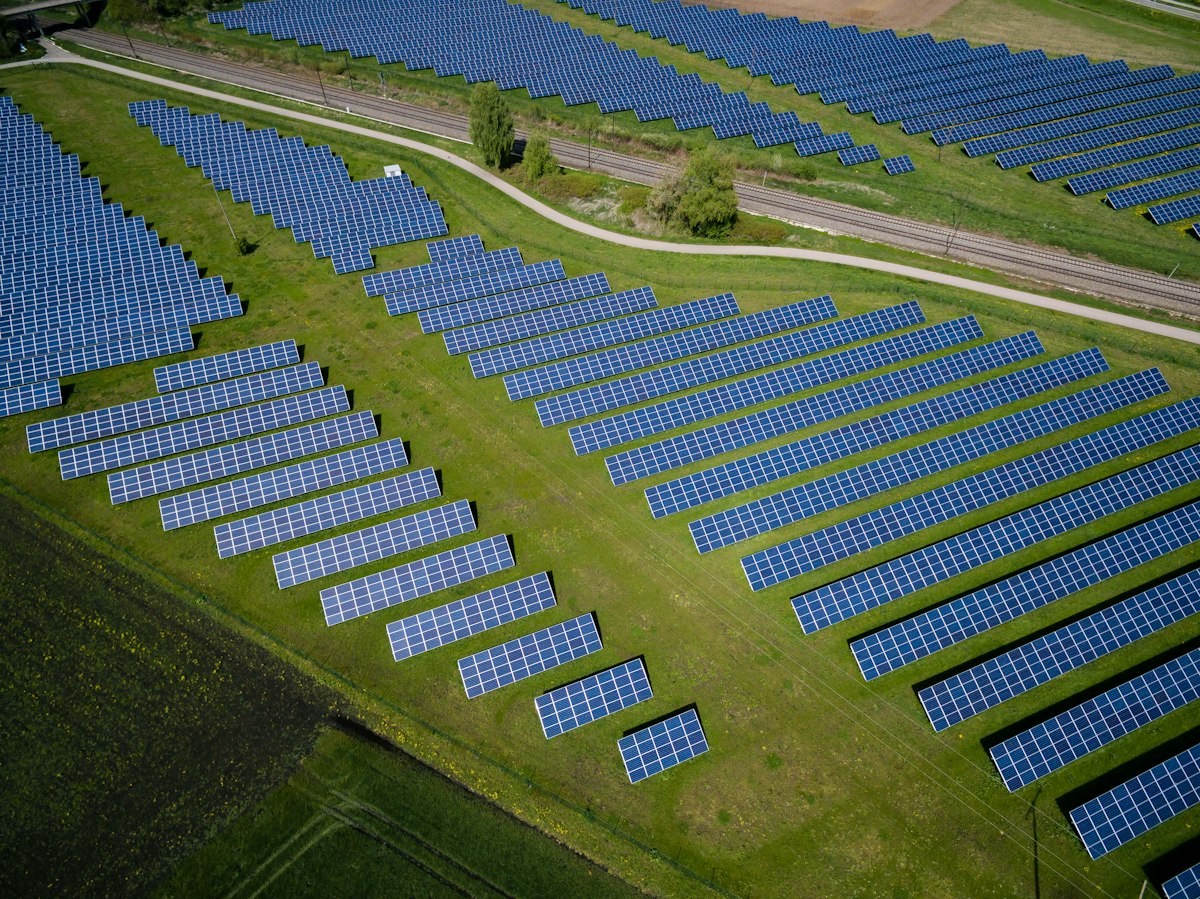
As Texas moves further into 2026, the state's energy sector is undergoing a profound transformation fueled by favorable legislative changes and significant investments in renewable energy.
According to the Electric Reliability Council of Texas (ERCOT), wind and solar now account for nearly 35% of the state's energy generation, up from 26% just two years ago. This shift is largely attributed to the passage of the Renewable Energy Expansion Act in early 2026, which incentivizes companies to develop and integrate renewable sources into their energy portfolios.
Austin-based NextEra Energy Resources, one of the largest renewable energy developers in the nation, recently announced plans to invest an additional $3 billion into solar and wind projects across Texas. “We are committed to expanding our renewable footprint in Texas as the state continues to lead the nation in clean energy production,” said John Ketchum, CEO of NextEra Energy Resources.
Cities like San Antonio and Dallas are also reaping the benefits of this renewable boom. The City of San Antonio, which has set a goal to reach 100% renewable energy by 2040, is set to unveil a new solar facility in late 2026 that will generate enough energy to power approximately 50,000 homes. Meanwhile, Dallas is investing in energy storage projects to ensure that renewable sources can meet peak demand.
Despite the gains in renewable energy, Texas still heavily relies on natural gas, which accounted for approximately 45% of the state's electricity generation in 2025. Vistra Corp., a leading energy producer headquartered in Irving, has announced that it will transition several of its coal plants to natural gas as part of their strategy to reduce emissions. “Natural gas is a critical bridge fuel as we transition more aggressively to renewables,” stated Jim Burke, CEO of Vistra Corp.
However, not everyone is convinced that the rapid shift towards renewable energy is the best path forward. Critics warn that the infrastructure may not be ready to handle such a fast-paced transition. Energy analyst Amy Myers Jaffe commented, “While Texas is a leader in renewables, the state needs to ensure that its grid can handle variability and maintain reliability.”
As the state embraces these changes, it faces the challenge of balancing growth with grid stability. The ongoing investments and legislative support are setting the stage for Texas to remain a dominant player in the energy sector, leading the way in both traditional and renewable energy sources.