
The Texas energy sector is experiencing a seismic shift as investors flock to renewable energy projects following recent legislative changes aimed at enhancing sustainability.
In the first half of 2026, renewable energy investments in Texas have reached an astonishing $15 billion, up from $8 billion in the same period last year. The surge is largely attributed to new state incentives that encourage solar and wind energy development.
Governor Greg Abbott, who championed the recent legislative reforms, noted, “This is a pivotal moment for Texas as we set our sights on a greener future. The legislation will not only create jobs but also position Texas as a leader in sustainable energy.”
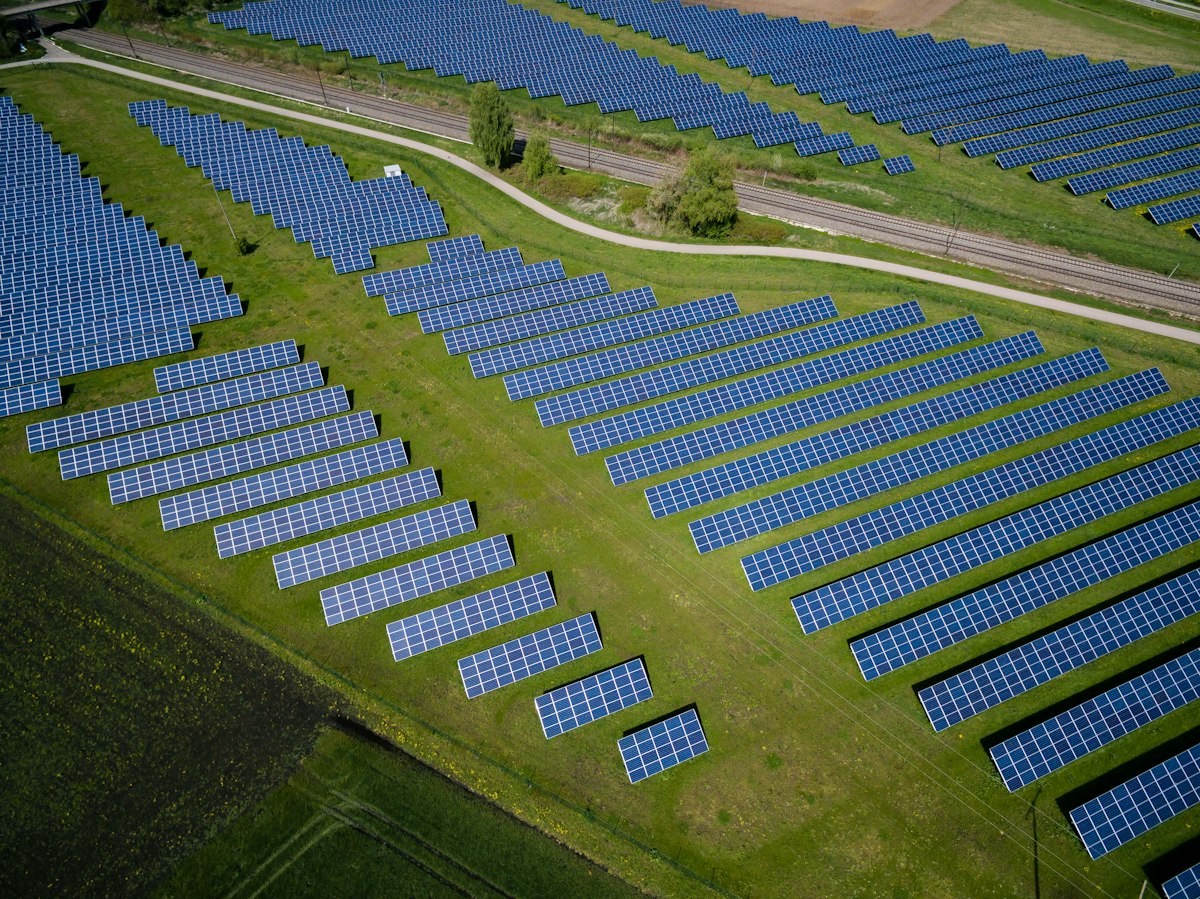
Among the major players in this transformation is NextEra Energy Resources, which has announced plans to develop a 2,000-megawatt solar farm near San Antonio. The project is expected to power approximately 500,000 homes and create around 1,500 jobs during its construction phase.
Similarly, Duke Energy is set to expand its wind operations in West Texas, planning to invest $1 billion in new wind turbines by the end of the year. These initiatives are expected to significantly boost Texas's renewable energy capacity, which already leads the nation.
Analysts are optimistic about the long-term viability of these investments. “Texas has the geographic advantage and the technological capability to be at the forefront of renewable energy,” said Dr. Angela Rodriguez, an energy market analyst at the University of Houston. “With these legislative changes, we’re seeing a more attractive investment landscape.”
As businesses pivot towards sustainability, even traditional oil and gas companies are adapting. ConocoPhillips, headquartered in Houston, has announced a strategic shift, allocating 20% of its capital expenditures towards renewable energy and carbon capture technologies over the next five years.
In addition to state incentives, federal policies aimed at reducing carbon emissions have also played a crucial role in driving investments. The Biden administration’s aim to achieve net-zero emissions by 2050 has led to increased federal funding for renewable projects, which, in turn, benefits the Texas economy.
Despite the significant benefits, challenges remain. Critics argue that insufficient grid infrastructure could hinder the growth of renewable projects. The Electric Reliability Council of Texas (ERCOT) is currently under pressure to enhance grid capabilities to accommodate the influx of renewable energy.
Nevertheless, the momentum in Texas’s renewable sector shows no signs of slowing down. As the state continues to innovate and adapt, it underscores its intent to lead the energy transition in the United States.