
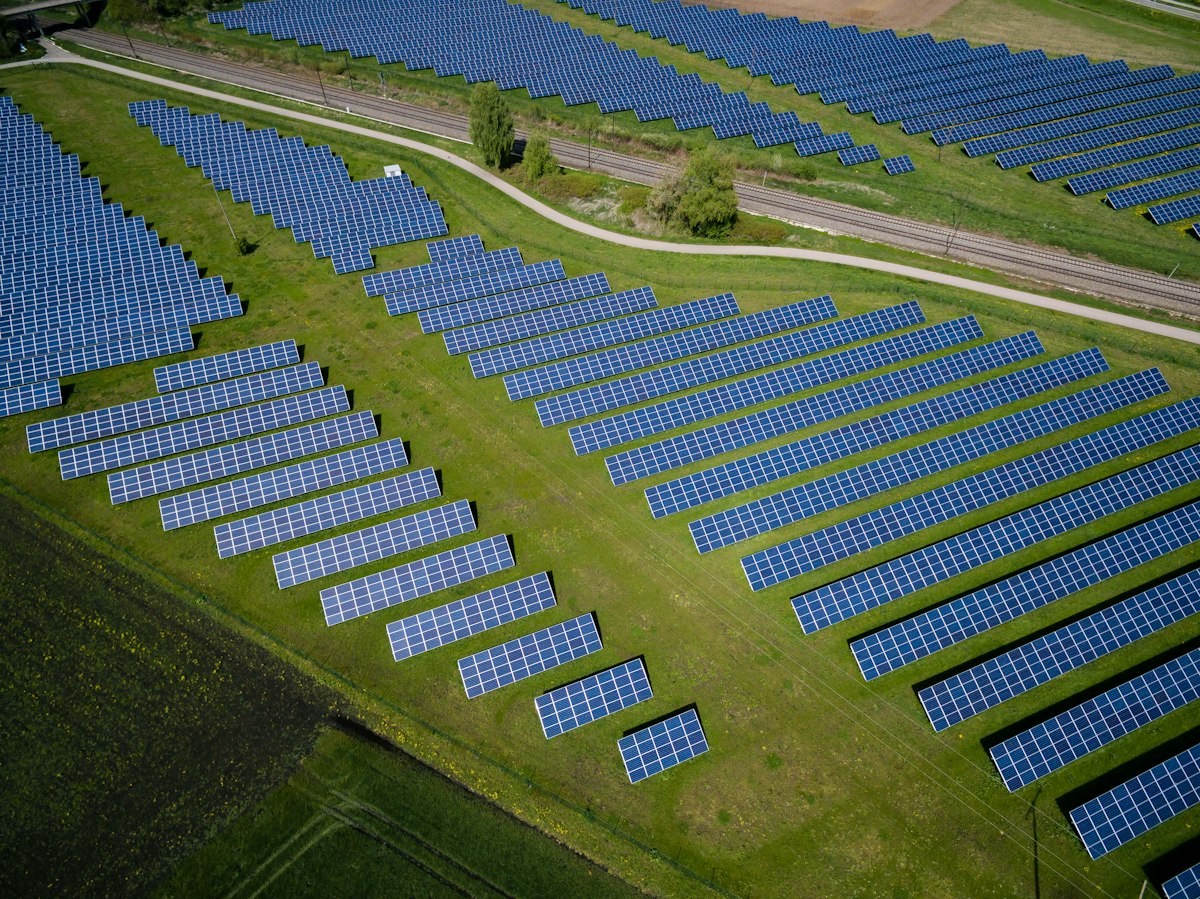
As Texas pushes forward in its climate initiatives, investments in renewable energy sources have surged, marking a pivotal shift in the state's energy landscape.
In the first half of 2026, the Texas energy sector attracted over $10 billion in renewable investments, a 25% increase compared to the previous year. This influx of capital is largely driven by a combination of state incentives, federal subsidies, and growing corporate commitments to sustainability.
Austin-based NextEra Energy Resources has been at the forefront of this transformation. The company recently announced plans to build a massive 1.5 gigawatt solar farm in the Permian Basin, which is expected to generate enough energy to power more than 300,000 homes. This project is part of NextEra’s broader strategy to increase its renewable portfolio in Texas to 10 gigawatts by 2030.
“We are committed to leading the transition to clean energy,” said John Ketchum, CEO of NextEra Energy, during a recent industry conference. “Texas has unparalleled resources and infrastructure that make it an ideal location for large-scale renewable projects.”
In addition to solar energy, wind power continues to play a significant role in the state's energy mix. The Texas Wind Energy Association reported that wind generation accounted for approximately 25% of the state’s total electricity production in the first quarter of 2026, further solidifying Texas’s position as a national leader in wind energy.
The uptick in renewable investments also aligns with Texas’s ambitious goal to achieve a 30% reduction in greenhouse gas emissions by 2030, a target set forth in the state’s latest climate action plan. Policymakers are hoping these initiatives will not only help combat climate change but also create jobs in a rapidly evolving energy sector.
However, challenges remain as traditional fossil fuel industries still dominate Texas’s energy landscape. The Texas Oil and Gas Association has voiced concerns over the pace of the transition, emphasizing the need to balance economic interests with environmental responsibilities. “Oil and gas will continue to be a vital part of Texas's energy portfolio for the foreseeable future,” stated Kate McCarthy, the organization's president.
As stakeholders from both sides of the debate gather for upcoming legislative sessions, the dialogue surrounding energy policy in Texas is expected to intensify. Many are advocating for a diversified energy strategy that incorporates both renewable and traditional energy sources to ensure reliability and economic growth.
In summary, the surge in renewable energy investments represents a significant shift in Texas's approach to its energy future. As companies and policymakers work together, the state aims to solidify its reputation as a leader in sustainable energy while navigating the complexities of an evolving market landscape.