
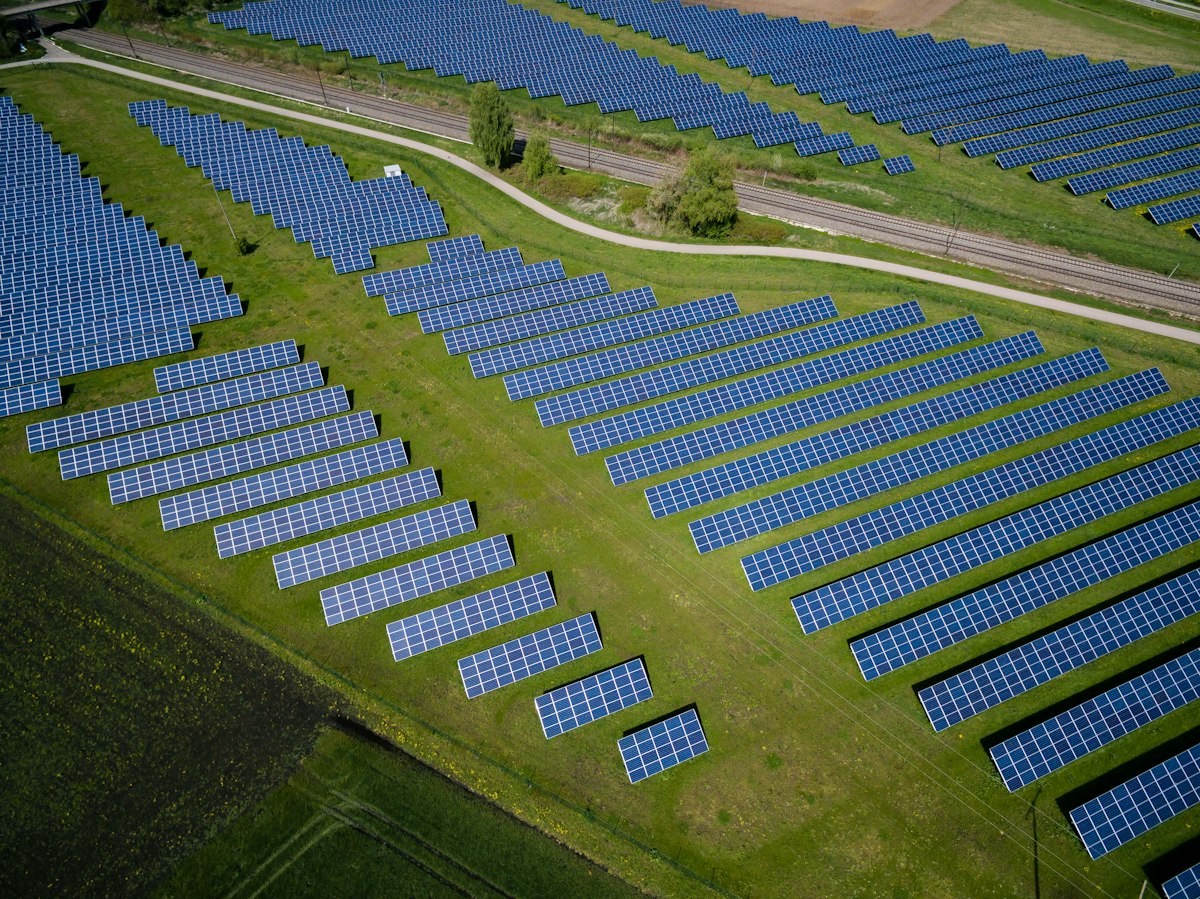
In a remarkable shift towards renewable energy, Texas has witnessed a record investment in solar energy projects, with commitments exceeding $5 billion in the past year alone, according to the Texas Renewable Energy Association (TREA).
As of July 2026, the state has become a leader in solar energy, boasting a capacity of over 30 gigawatts (GW) and accounting for approximately 20% of the nation's total solar output. Major cities like Austin and Dallas are at the forefront of this change, with local governments and private firms ramping up their efforts to transition to sustainable energy sources.
“The momentum we’re seeing in solar investments is unprecedented,” said Dr. Emily Carson, executive director of TREA. “As more Texans demand cleaner energy, we expect this trend to continue, driving innovation and job creation across the sector.”
The surge in solar capacity has been driven by significant federal tax incentives, increasingly affordable solar technology, and local initiatives promoting sustainability. In Austin, the city has launched a program aimed at installing solar panels on 10,000 households by the end of 2027, offering rebates and financing options to encourage participation.
Moreover, Texas is becoming a hub for solar manufacturers. Companies like First Solar and SunPower have recently announced plans to build manufacturing facilities in the state, potentially creating thousands of jobs and underscoring Texas's status as a manufacturing powerhouse.
The shift towards solar is also reflected in the energy prices. Energy prices in Texas have remained stable, primarily due to the growing presence of renewable energy sources. As the Public Utility Commission of Texas (PUCT) reports, the average cost of residential electricity has decreased by 15% over the past two years, providing relief to consumers.
However, challenges remain. Critics point out that the rapid expansion of solar energy could lead to grid reliability issues, especially during peak demand hours. The Electric Reliability Council of Texas (ERCOT) has been working on solutions to ensure that solar energy complements traditional sources rather than replaces them entirely.
As Texas continues to lead the nation in solar energy development, the implications of this transformation extend beyond energy production. With ambitious targets set for reducing carbon emissions, the Lone Star State is poised to redefine its role in the national energy landscape.