
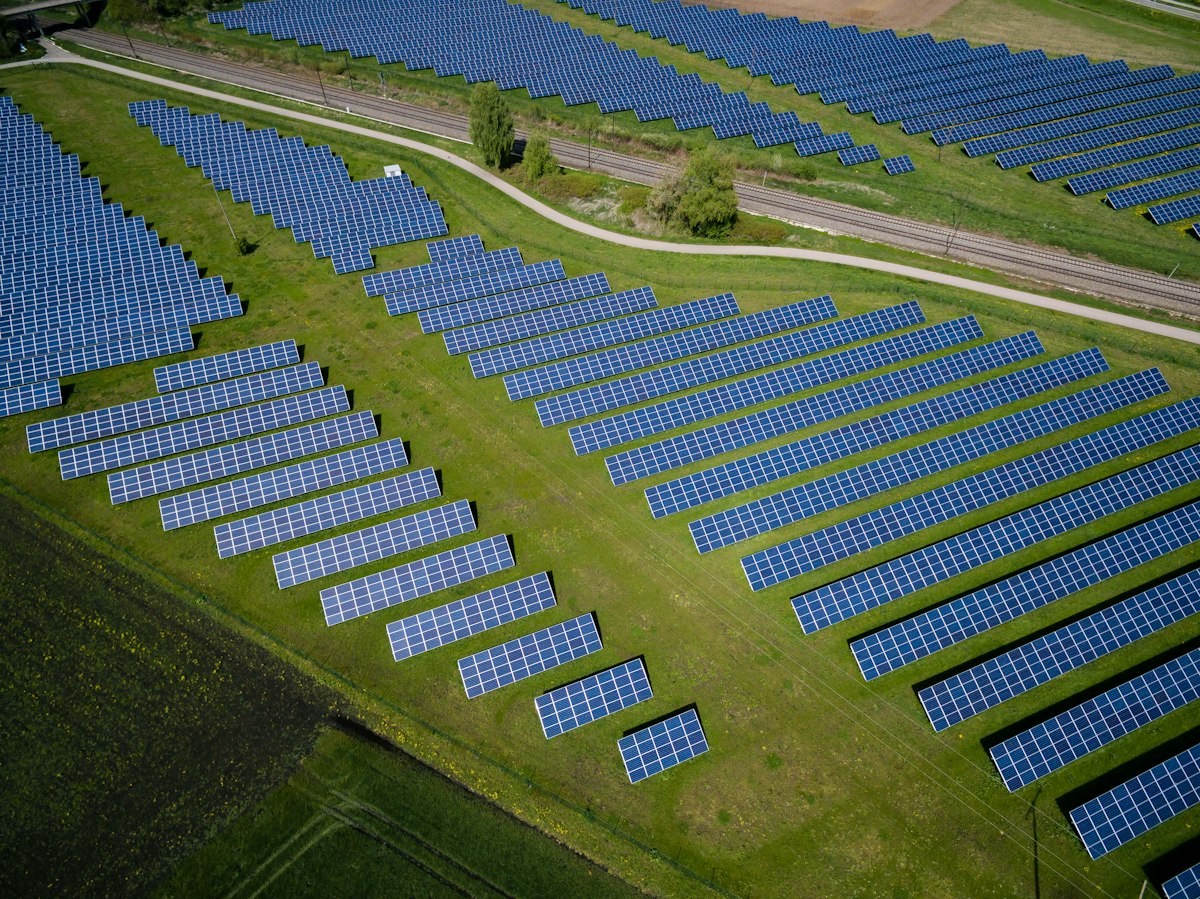
As Texas grapples with a significant surge in renewable energy production, the fossil fuel sector is facing unprecedented challenges that could reshape the state's energy landscape.
In 2026, Texas produced a record 30% of its electricity from renewable sources, primarily wind and solar, according to the Electric Reliability Council of Texas (ERCOT). This marks a substantial increase from just 20% in 2021, highlighting the state's commitment to diversifying its energy portfolio.
However, this shift has not come without its complications. The Texas oil and gas industry, historically a cornerstone of the state's economy, is confronting a declining market. In the first quarter of 2026, crude oil prices averaged $65 per barrel, down from $85 a year earlier. Companies such as ExxonMobil and Pioneer Natural Resources are adjusting their strategies in response.
“The transition to renewable energy is essential, but we must ensure we do not jeopardize the economic stability that fossil fuels provide,” said Dr. Lisa Hernandez, a senior energy analyst at the Texas Oil and Gas Association. “Balancing these two sectors is critical for Texas’ future.”
Several Texas cities are taking proactive steps to increase renewable energy adoption. Austin Energy has announced plans to source 100% of its power from renewables by 2035, while Houston has initiated a $200 million solar project expected to come online by 2028. These initiatives are in line with the state’s broader goals under Senate Bill 3, which mandates significant reductions in greenhouse gas emissions.
Despite these advancements, challenges persist. On June 15, 2026, ERCOT issued a weather advisory, forecasting potential power shortages due to increased demand from extreme heat. This incident has raised concerns about the reliability of the grid, particularly as the state continues to integrate more intermittent renewable resources.
The Texas Public Utility Commission is currently reviewing policies to enhance grid resilience, including potential incentives for natural gas facilities to remain operational as backup power sources during peak periods. “It's crucial that we maintain a reliable energy mix,” stated Commissioner Andrew Wright. “Natural gas will continue to play a vital role in ensuring that Texans have the energy they need, especially during extreme weather.”
In summary, while Texas is making significant strides in renewable energy, the accompanying decline in fossil fuel reliance poses risks that require careful management. The coming months will be crucial as state leaders navigate these complex dynamics in the energy sector.