
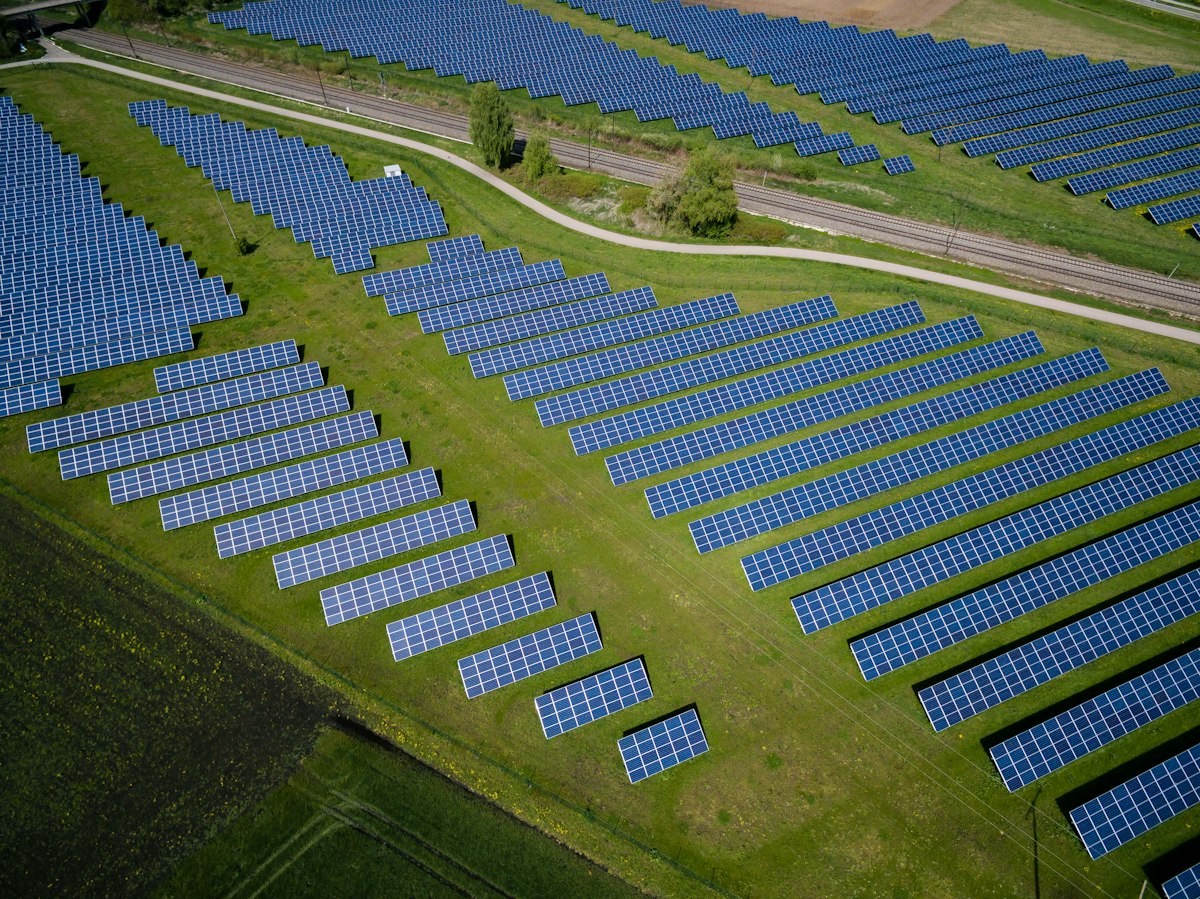
In a significant pivot, Texas energy companies are increasingly embracing renewable energy solutions in response to new state regulations and growing consumer demand.
The Texas energy landscape is undergoing a transformative shift as companies like NextEra Energy and Vistra Corp. ramp up their investments in wind and solar projects. As of July 2026, the state has seen a 30% increase in renewable energy capacity compared to just two years ago, positioning Texas as a leader in the nation’s transition to clean energy.
Governor Greg Abbott recently issued an executive order mandating that by 2030, Texas should aim for a 50% reduction in carbon emissions from its power generation sector. This directive is encouraging traditional fossil fuel companies to diversify their portfolios. “This move is crucial for both the environment and our economy,” said Abbott during a press conference in Austin. “We must innovate and adapt to ensure Texas remains at the forefront of the energy sector.”
The recent $1.2 billion investment by NextEra in the Panhandle region for large-scale solar farms exemplifies this trend. These projects are expected to generate approximately 2,000 megawatts of power, enough to supply around 400,000 homes. Additionally, Vistra Corp. is expanding its operations in the Houston area, where they plan to install new wind turbines capable of producing 1,500 megawatts.
However, the transition is not without challenges. The Texas grid operator, ERCOT, faces criticism over reliability, especially during peak demand periods. “We need to ensure that our infrastructure can handle the influx of renewables,” stated ERCOT’s CEO Bill Magness. “The weather is unpredictable, and we cannot afford to have blackouts as we integrate more intermittent sources of energy.”
Despite these hurdles, the market response suggests strong support for renewable initiatives. According to a recent survey by the Texas Renewable Energy Association, approximately 70% of Texans now support the increased use of renewable sources in their energy mix. This growing public support is aiding lawmakers in pushing for favorable policies to encourage further investment in green technologies.
As Texas moves toward its ambitious carbon reduction goals, state officials are also focusing on job creation opportunities in the renewable sector. The Texas Workforce Commission has reported an increase of over 50,000 jobs in renewable energy sectors over the past two years, providing significant economic benefits to communities statewide.
With the momentum building behind renewable energy, Texas stands at a pivotal point in its energy evolution. The combination of regulatory support, market demand, and technological advancements could help solidify the state's position as a global leader in sustainable energy.