
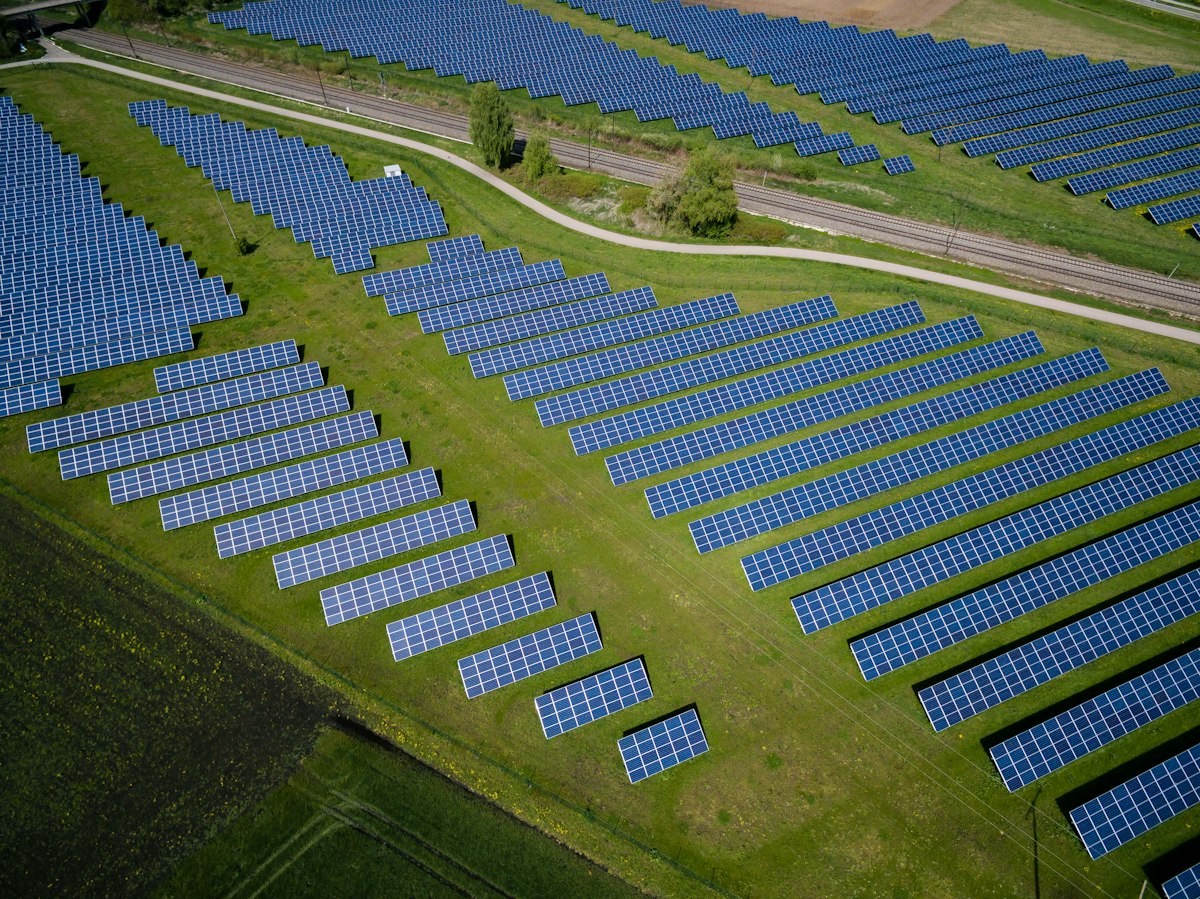
As the state grapples with economic uncertainty, Texas is accelerating its shift towards renewable energy, with investments surging to over $20 billion in the past year.
In recent months, Texas has seen a remarkable increase in the deployment of solar and wind technologies, making it the leading state in the nation for renewable energy generation. According to the Texas Renewable Energy Coalition, renewable energy sources now account for over 30% of the state's electricity generation, a significant rise from 20% just two years ago.
The push towards clean energy comes amid pressures on traditional fossil fuel sectors. Companies like ExxonMobil and Chevron are facing declining revenues and heightened scrutiny over environmental practices, prompting a shift in focus towards sustainable solutions. In a recent statement, ExxonMobil's CEO, Darren W. Woods, noted, "Innovation in renewable energy is essential for our future, and we are committed to investing in technologies that will deliver sustainable growth for Texas and beyond."
Moreover, cities like Austin and Houston are leading the charge with ambitious goals to become carbon-neutral by 2035. The Austin Energy utility company reported that it has increased its capacity to generate solar power by 15% in the last year alone, contributing significantly to the city’s overall energy mix.
Local governments are also playing a crucial role in this transition. The City of San Antonio recently announced a partnership with NextEra Energy to develop one of the largest solar farms in the United States, projected to supply power to more than 200,000 homes upon completion.
Despite the promising shift, challenges remain. The recent Texas electricity crisis of February 2021 continues to haunt the sector, with many citizens demanding improved reliability and infrastructure to support the increasing reliance on renewable sources. The Public Utility Commission of Texas is actively working on reforms to enhance grid resilience and ensure energy security.
As Texas moves towards a greener future, the implications for job creation are significant. The U.S. Bureau of Labor Statistics estimates that jobs in the renewable energy sector could grow by 11% annually through 2030, far surpassing growth in traditional energy sectors. This shift could lead to an influx of skilled labor into Texas, positioning the state as a national leader in sustainable employment.
In summary, Texas is navigating a complex energy landscape, balancing traditional oil and gas interests with an aggressive pivot towards renewable energy. As investments pour in and innovation flourishes, the state’s future energy profile looks increasingly bright – albeit with challenges ahead.