
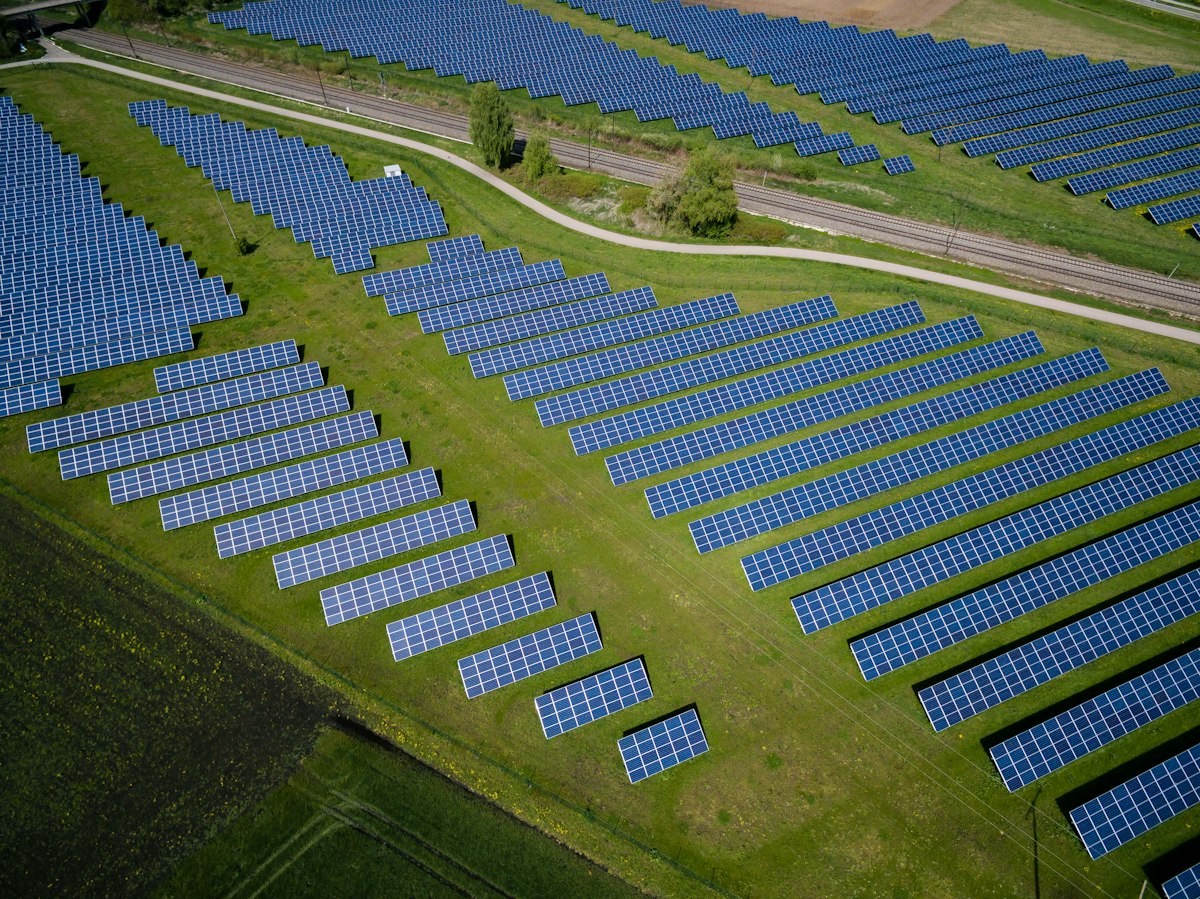
As renewable energy resources continue to gain traction across Texas, the state's energy grid is coming under increased scrutiny from regulatory bodies, prompting discussions on vital reforms.
The Electric Reliability Council of Texas (ERCOT) recently published a report highlighting the accelerated integration of renewable energy sources, particularly wind and solar, which accounted for over 40% of the state's energy mix in Q2 2026. While this shift marks significant progress towards a more sustainable energy future, it also raises questions about grid reliability and capacity.
In a recent statement, ERCOT’s CEO, Bill Magness, emphasized the need for immediate action. “As we incorporate more intermittent resources into our grid, we must also innovate our regulatory frameworks to ensure stability and reliability for all Texans,” he said during a public forum in Austin.
The increasing reliance on renewable energy has not come without challenges. For instance, the notorious blackouts in February 2021 still loom large in public memory, prompting stakeholders to call for enhanced infrastructure investment and updated emergency protocols. These concerns have led to a rigorous debate among lawmakers and industry leaders about the future of energy in Texas.
Recent legislation proposed by Texas Senator John Cornyn aims to secure federal funding for grid enhancements and renewable energy projects, which could amount to an investment of over $500 million. “We need to ensure that our grid can handle the demands of both our growing population and our commitment to renewable energy,” Cornyn stated in a press conference.
While the focus on renewables is crucial, experts like Dr. Emily Johnson, an energy policy analyst at the University of Texas, caution against neglecting traditional energy sources. “A diversified energy portfolio is essential for ensuring that we can meet demand during peak periods, especially in extreme weather conditions,” she noted.
As discussions continue, ERCOT is also exploring pilot programs to test new technologies, including battery storage and demand-response initiatives that could help balance supply and demand more effectively. These innovations could provide a roadmap not only for Texas but for other states grappling with similar challenges.
With the 2026 hurricane season looming, the urgency for these reforms grows. As Texas positions itself as a leader in renewable energy, the delicate balance between innovation and reliability will be paramount for the state’s energy future.