
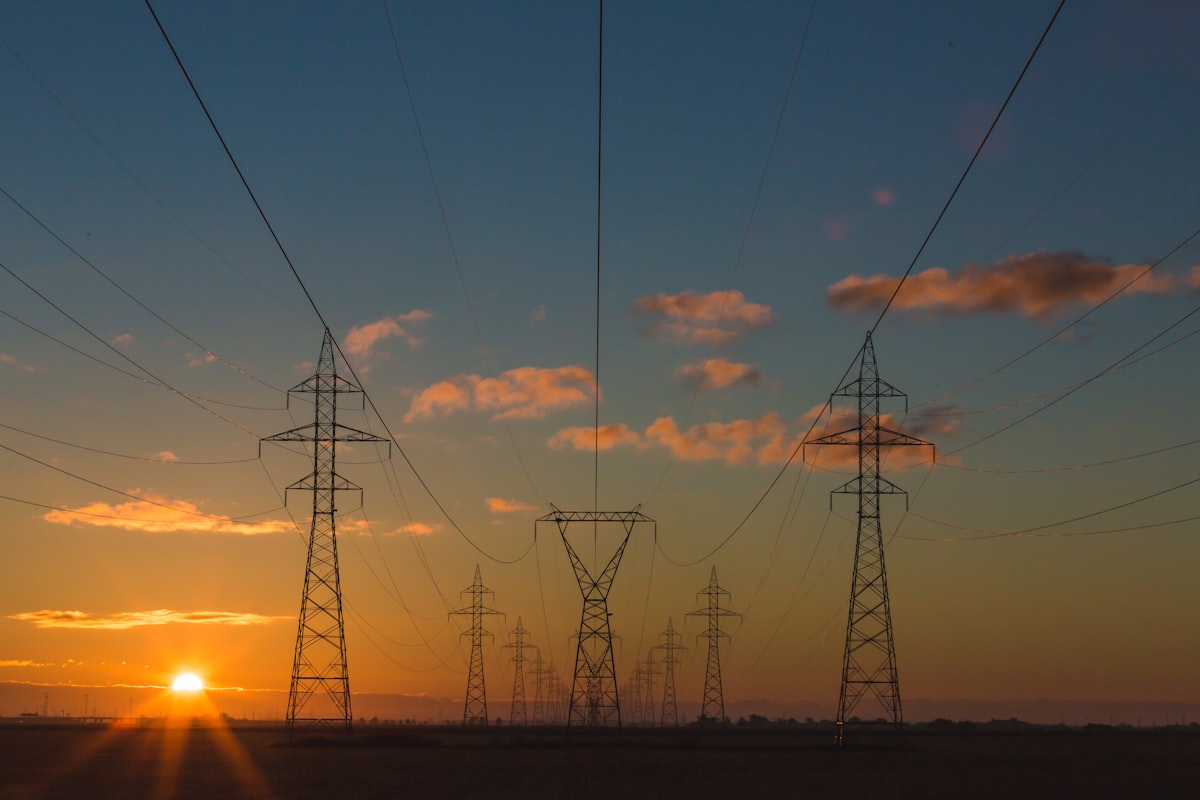
The Texas power grid is on the brink of a substantial overhaul as demand for electricity reaches unprecedented levels, necessitating urgent upgrades to the state's aging infrastructure.
According to the Electric Reliability Council of Texas (ERCOT), peak electricity demand hit a record 85,000 megawatts during the summer of 2026, a 10% increase from the previous year. This surge has prompted energy officials to announce a comprehensive plan to enhance grid reliability and capacity over the next five years.
To finance these upgrades, ERCOT has proposed a $3 billion investment strategy aimed at modernizing transmission lines, incorporating more renewable energy sources, and improving battery storage capabilities. “We need to ensure that our grid can handle the future demands of Texas residents and businesses,” said Bill Magness, ERCOT’s CEO. “These upgrades are not just necessary; they are critical for the safety and reliability of our energy supply.”
Several Texas cities, including Houston and Dallas, are expected to benefit significantly from these enhancements. Increased energy efficiency measures and the integration of smart grid technologies will enable better monitoring and management of electricity distribution throughout the state.
The urgency of these upgrades has been underscored by recent extreme weather events, including a record heatwave that left millions of Texans without power for several hours in June. This incident has renewed calls for better preparedness and resilience in the face of climate change.
Texas Governor Greg Abbott has voiced strong support for the ERCOT plan, emphasizing the importance of a reliable power supply as the state continues to grow economically. “We are committed to investing in infrastructure that meets the needs of our citizens and businesses,” he stated during a recent press briefing.
However, critics argue that the proposed investments should also focus on enhancing energy efficiency programs and demand response initiatives to reduce peak demand. Dr. Rebecca Pritchard, a leading energy economist at the University of Texas, warned, “Investing in infrastructure is vital, but we must also consider how to reduce consumption during peak times to avoid overburdening the grid.”
As stakeholder discussions continue, the future of Texas's energy grid remains a critical topic of concern. Balancing the integration of renewable energy sources with the reliability of traditional power generation will be essential to ensure a stable and sustainable energy future for the Lone Star State.
In conclusion, the challenge of upgrading Texas's power grid to meet growing demand presents both opportunities and obstacles. As investments flow into this critical infrastructure, the state stands at a crossroads that will define the energy landscape for years to come.