
As the United States pivots towards a more sustainable energy future, Texas remains at the forefront of this transformation, driven by a surge in renewable energy investments and innovative developments in the sector.
In recent months, the state has seen a notable increase in wind and solar energy projects, with companies like NextEra Energy and Enphase Energy announcing plans for major expansions. According to the Texas Renewable Energy Industry Alliance, installed wind capacity in Texas reached over 35 gigawatts (GW), making it the leading state in the nation for wind energy generation.
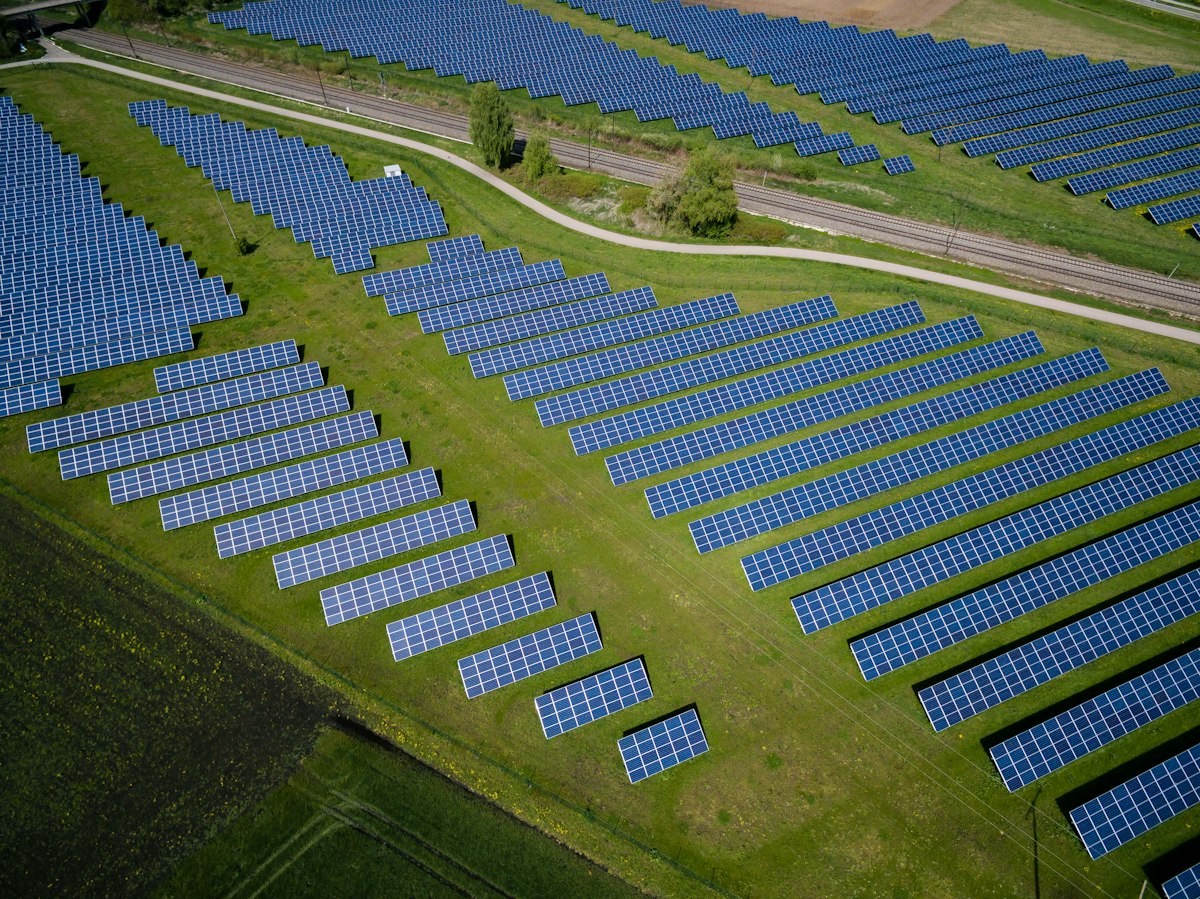
Additionally, solar energy is becoming an increasingly vital part of Texas's energy landscape. As of July 2026, solar installations have surpassed 20 GW, doubling in capacity since 2020. This rapid growth has prompted the Texas Public Utility Commission to consider new regulations aimed at facilitating further development and integration of renewable resources into the state's power grid.
“The future is bright for renewable energy in Texas,” stated Rebecca Williams, Executive Director of the Texas Renewable Energy Industry Alliance. “With our abundant natural resources and favorable policies, we are uniquely positioned to lead the nation in energy innovation.”
In Austin, the city’s commitment to sustainability has also intensified, as it aims for a 100% renewable energy goal by 2035. Austin Energy recently announced a partnership with SunPower to deploy a new network of community solar projects aimed at providing affordable clean energy options to residents.
However, the transition is not without challenges. The state’s power grid, managed by the Electric Reliability Council of Texas (ERCOT), faces scrutiny as it balances renewable energy’s variable output with consumer demand. Critics argue that ERCOT’s reliance on fossil fuels remains too high, which could jeopardize the state’s energy security.
As the industry evolves, investment is pouring in. In June, NextEra Energy announced a $10 billion investment in new wind and solar projects across Texas, expected to create approximately 8,000 jobs in the next three years. These developments are notably concentrated in regions like the Texas Panhandle, which has emerged as a hub for renewable energy production.
In summary, as Texas continues to leverage its resources and foster innovation in the renewable energy sector, the state is likely to maintain its leadership role in the energy landscape, shaping national energy policies and practices.