
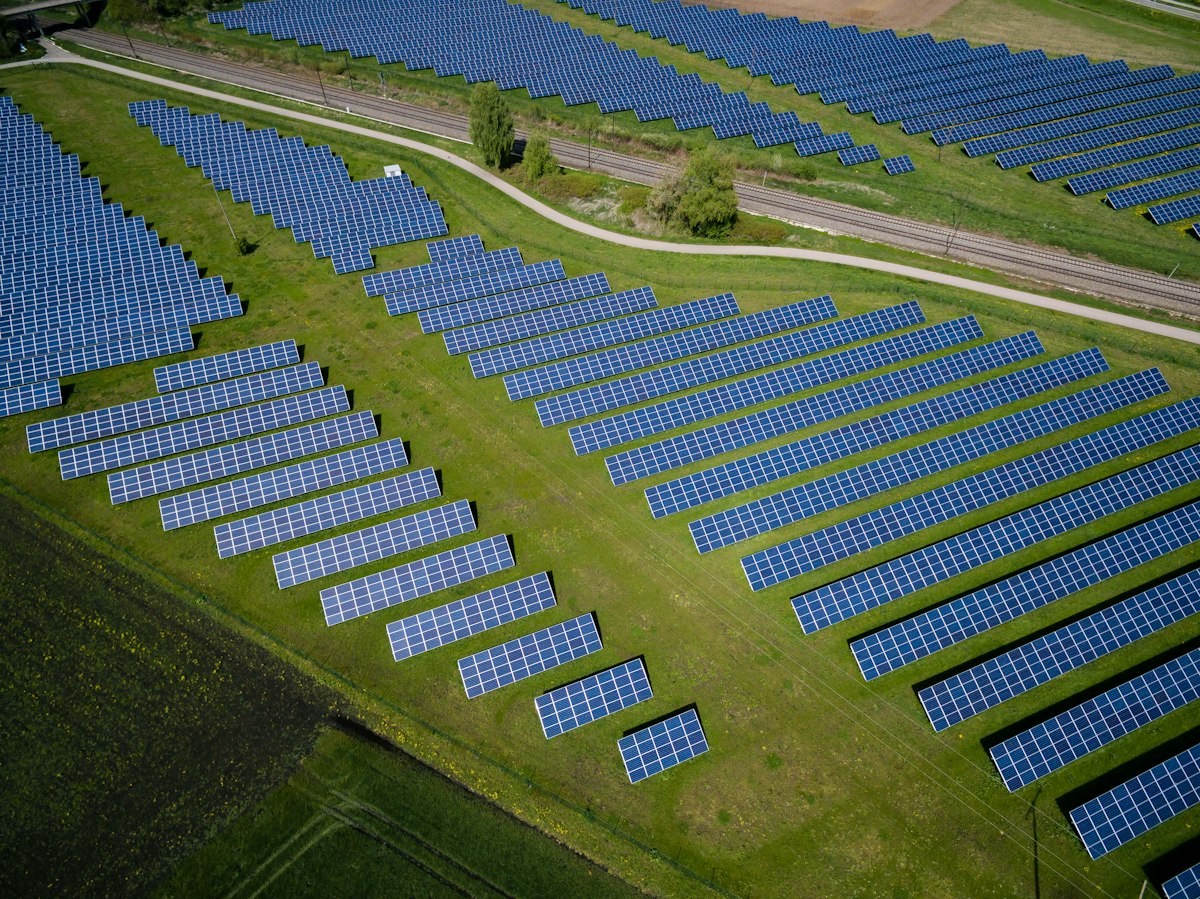
As the demand for cleaner energy sources escalates, Texas is positioning itself as a leader in renewable energy generation. Major players in the industry, including NextEra Energy and Enel Green Power, are investing billions to expand their solar and wind capacities across the state.
In a recent report by the Electric Reliability Council of Texas (ERCOT), it was revealed that Texas is projected to generate more than 100 gigawatts of renewable energy by 2030, effectively doubling its current capacity. This ambitious target aligns with the state's goal to reduce greenhouse gas emissions by 50% by 2035.
“Texas has the potential to become the world’s leading renewable energy source, and we’re seeing unprecedented investment right now,” said Bill McBeath, CEO of NextEra Energy. “With the right policies and public support, we can achieve our renewable goals and create thousands of jobs in the process.”
Austin is emerging as a hub for solar development, with over 13 solar farms currently in operation and more planned for the coming years. Local government incentives, along with federal tax credits, are making solar investments increasingly attractive for both developers and homeowners.
Meanwhile, wind energy continues to play a crucial role in Texas's energy landscape. The state leads the nation in installed wind capacity, with over 34,000 megawatts, according to the U.S. Department of Energy. The West Texas region is especially rich in wind resources, attracting investments from key players like Siemens Gamesa and GE Renewable Energy.
However, challenges lie ahead. The Texas energy grid has faced scrutiny following extreme weather events, prompting calls for enhanced infrastructure and regulatory measures. “While we are making strides in renewable energy, we must not overlook the importance of grid reliability,” noted Sylvia Garcia, a state senator representing Houston. “The last thing we want is to compromise energy security while transitioning to a greener future.”
As Texas navigates the complexities of energy transition, the collaboration between public and private sectors will be vital. With talks of extending tax incentives and streamlining permitting processes, stakeholders are optimistic about the road ahead. Industry analysts suggest that by 2030, Texas could not only meet but exceed its renewable energy goals, setting a precedent for other states to follow.