
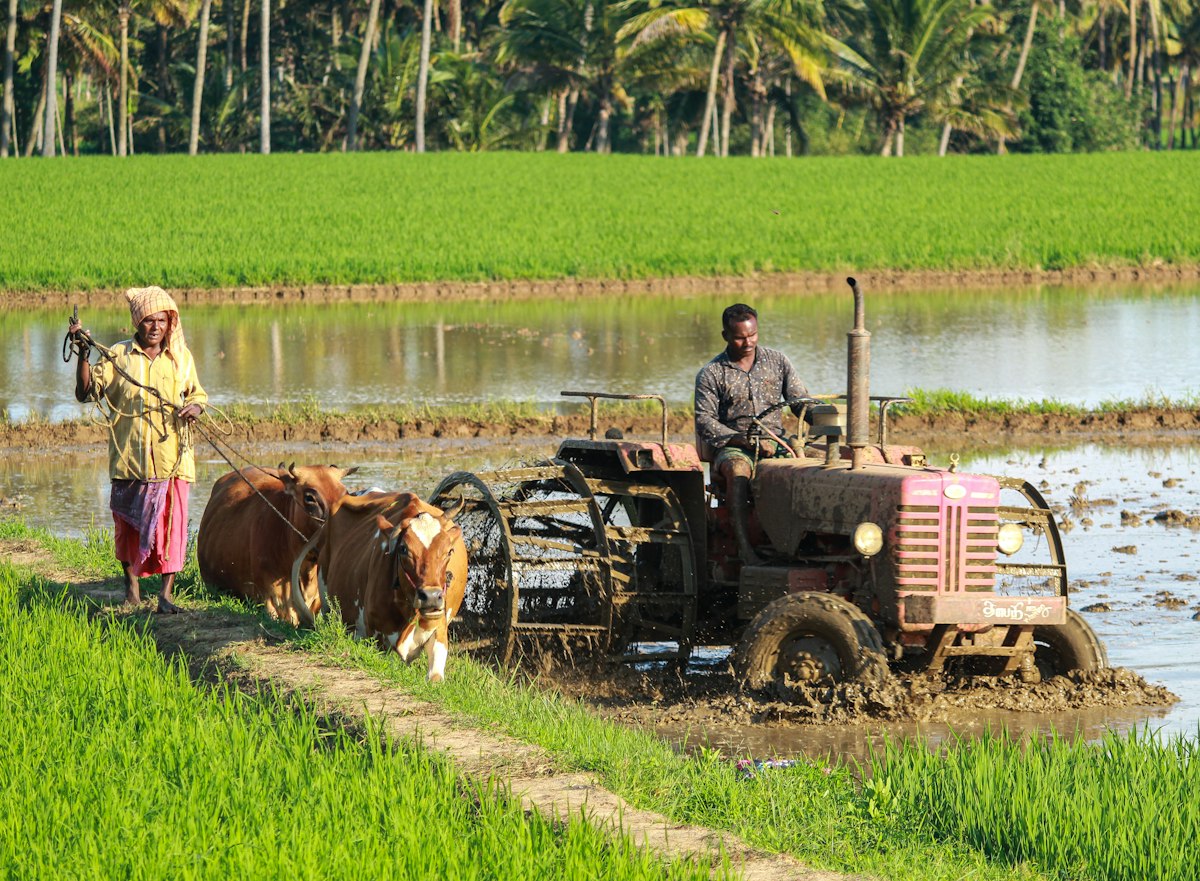
As the cotton harvest season approaches, Texas farmers are bracing for potential labor shortages that could impact production.
Texas is the nation's leading cotton producer, with an estimated **6 million acres** dedicated to cotton farming. However, the industry has been struggling to secure enough labor to meet the demands of the upcoming harvest. According to the **Texas Cotton Ginners' Association**, labor shortages could reduce output by as much as **15%** this year.
Many farmers attribute these shortages to a combination of factors, including ongoing immigration issues and a shift in workforce demographics. **Carlos Martinez**, owner of Martinez Farms in Lubbock, stated, "We usually rely heavily on seasonal labor from Mexico, but restrictions have made it more challenging to bring workers in this year. This could have serious implications for our harvest."">
Furthermore, the rising minimum wage in Texas has made it difficult for farmers to attract seasonal workers. With wages now hovering around **$15 per hour**, some farmers are unable to compete with industries that offer more stable employment options.
In response to these challenges, the Texas Department of Agriculture is actively exploring solutions, such as increasing outreach to local communities and enhancing worker training programs. The goal is to build a more resilient labor force that can adapt to the cyclical nature of agricultural work.
As the harvest season draws near, cotton farmers are hopeful that these efforts will yield results. However, many remain cautious about the potential impact on productivity and profitability. The cotton industry contributes over **$2 billion** annually to the Texas economy, and any significant shortfall could reverberate throughout the state.
As Texas cotton farmers prepare for what could be a challenging harvest, the industry faces a pivotal moment that could redefine its operational frameworks for years to come.