
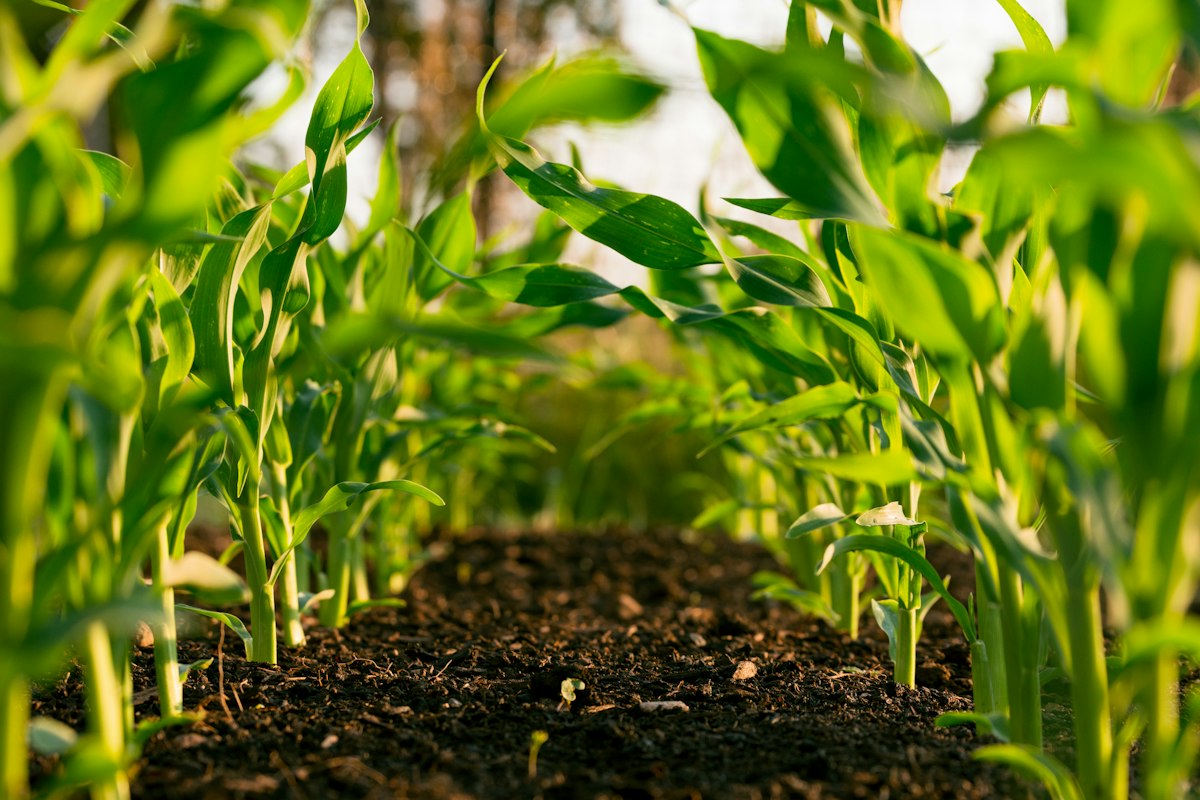
The Texas cotton industry is experiencing a seismic shift as sustainable fibers gain traction in the apparel market, raising questions about the future of one of the state’s most iconic crops.
Historically, Texas has been the leading cotton producer in the United States, contributing nearly $1.5 billion annually to the state’s economy. However, the rise of materials like organic cotton and innovative synthetic alternatives is beginning to disrupt the traditional market. Boulder, Colorado-based company Allbirds, known for its sustainable footwear, recently announced plans to source only 100% organic cotton for its products by 2027, further intensifying competition.
In response, Texas cotton farmers are being urged to adapt. Mike Johnson, a cotton grower from Lubbock, stated, “We’re aware of the changing landscape and need to innovate to stay relevant. Sustainable practices are no longer optional; they’re a requirement for survival.”
While traditional cotton farming practices have long relied on high chemical use, there’s a growing movement towards organic farming. Farmers like Johnson are exploring methods that reduce pesticide use and promote soil health, with the goal of eventually gaining organic certification.
In 2025, organic cotton accounted for just 0.3% of total U.S. cotton production, but experts predict this number will rise to 5% by 2030, according to a report by the USDA. Texas, which produces about 40% of the nation’s cotton, is poised to be a key player in this transformation.
The Texas Cotton Ginners Association is supporting farmers through education and resources to make the transition. They are also actively promoting Texas cotton’s sustainability efforts to retailers and consumers. However, there are hurdles; the costs associated with organic farming can be steep, and not all farmers have the capital to invest in these changes.
In light of these challenges, partnerships with local universities like Texas Tech are becoming increasingly important. Research from Texas Tech is focused on developing pest-resistant cotton strains that require fewer chemicals, thereby appealing to the environmentally-conscious market.
As consumer preferences continue to evolve, the pressure on Texas cotton growers will likely mount. The success of this sector will hinge on their ability to adapt to new market realities and embrace sustainability as a cornerstone of their operations, ensuring that Texas remains at the forefront of the cotton industry.