
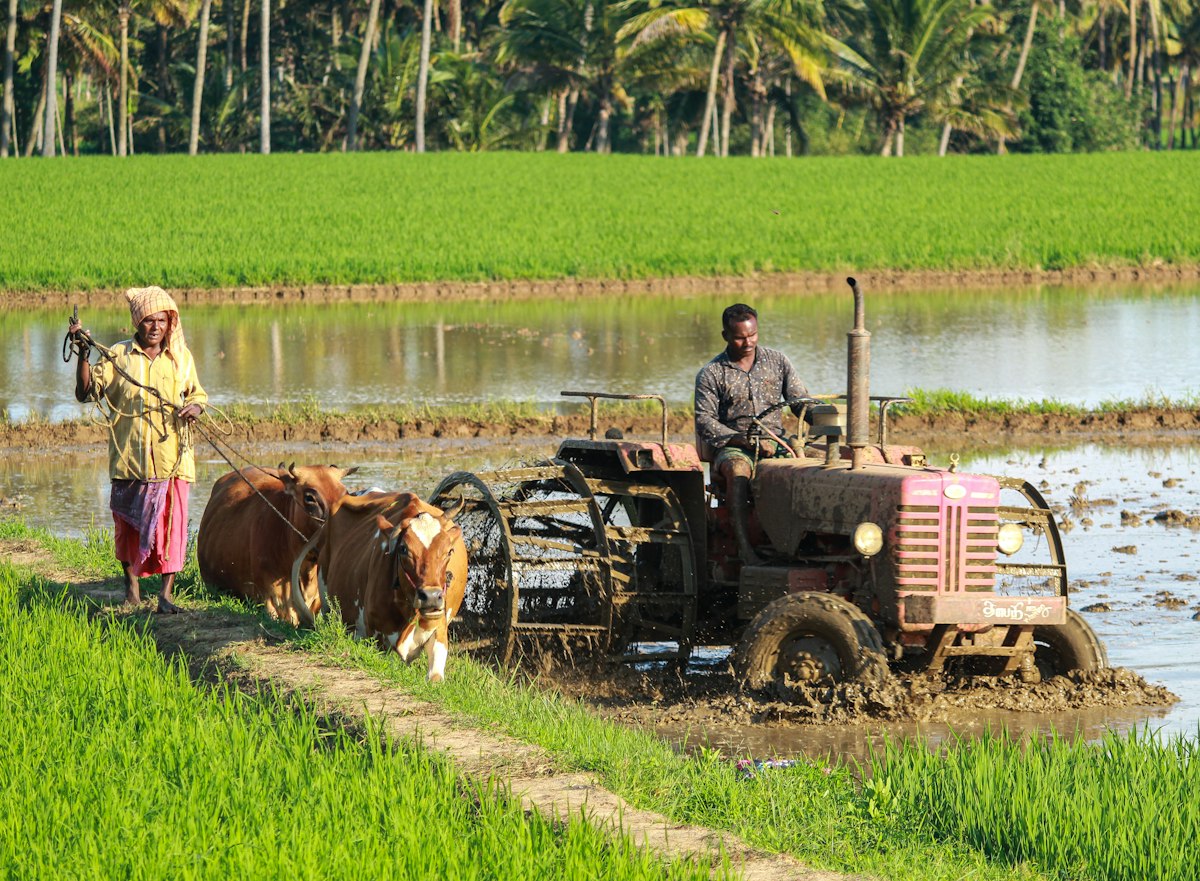
As sustainability emerges as a central theme in agriculture, Texas cattle ranchers are increasingly adopting technological innovations to improve efficiency and reduce their environmental footprint.
The Texas cattle industry, valued at approximately $14 billion according to the Texas Cattle Raisers Association (TCRA), is one of the largest in the country. With a growing demand for sustainable beef, ranchers are implementing new technologies to meet consumer expectations while maintaining profitability.
“Consumers today want to know where their food comes from, and they’re increasingly looking for sustainably sourced products,” remarked Frisco-based rancher and TCRA board member, Mark Johnson. “We’re committed to providing transparency and quality in our practices.”
Technological advancements such as precision livestock farming, which utilizes sensor technology to monitor animal health and behavior, are becoming more prevalent. This data-driven approach allows ranchers to make informed decisions that enhance animal welfare while optimizing resource use.
Additionally, many ranchers are exploring regenerative agricultural practices, which focus on improving soil health and biodiversity. A recent study from Texas A&M University found that adopting these practices could potentially increase cattle productivity by up to 20 percent while simultaneously reducing greenhouse gas emissions.
The Texas Department of Agriculture has initiated various programs to support ranchers in their transition to sustainable practices, including funding for research and development. “Our goal is to create a thriving ecosystem for ranchers and the environment,” said Agriculture Commissioner Sid Miller. “By promoting sustainability, we can ensure the longevity of the cattle industry in Texas.”
As awareness of climate change grows, consumers are increasingly opting for beef produced under sustainable standards. This shift in demand is prompting ranchers to adjust their practices proactively. A recent survey indicated that 62 percent of Texas consumers prefer purchasing beef from sustainably raised cattle.
Looking ahead, experts believe that the future of the Texas cattle industry lies in its ability to adapt to changing consumer preferences while also addressing environmental challenges. “Innovation is key,” Johnson stated. “If we can leverage technology effectively, our industry can thrive for generations to come.”