
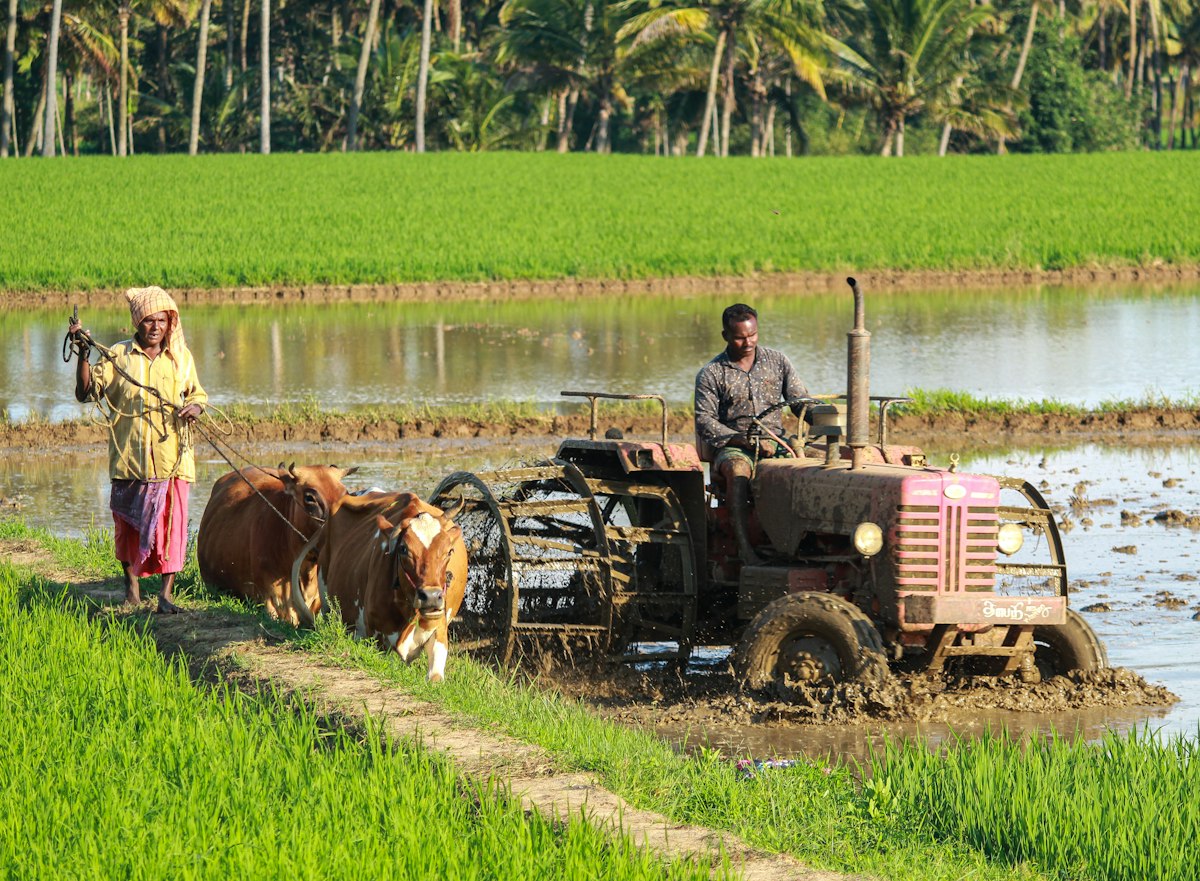
The Texas cattle industry is undergoing a significant transformation as consumer preferences shift towards sustainable and ethically sourced meat products.
In 2026, the Texas cattle industry, valued at approximately $14 billion, is grappling with the rising demand for plant-based diets and organic meat options. This trend has prompted ranchers to explore alternative practices that cater to this evolving market. In particular, ranchers in the Panhandle are implementing holistic management systems that emphasize soil health and animal welfare.
One notable example is Hartley Ranch, which has adopted regenerative agricultural practices that enhance biodiversity and improve carbon sequestration. Owner Jane Hartley stated, "Our goal is to produce beef in a way that is not only good for the consumer but also good for the planet. We believe in sustainable ranching for future generations."
The demand for sustainable beef is reflected in market data, which shows a 15% increase in sales of organic meat products in Texas over the past year. Retailers such as HEB and Whole Foods are expanding their offerings of organic and grass-fed beef, catering to a growing segment of health-conscious consumers.
Moreover, Texas ranchers are increasingly adopting technology to improve efficiency and traceability. The use of blockchain technology for tracking cattle from ranch to retail is gaining traction, enabling consumers to verify the source and quality of their meat. This tech-driven approach is crucial for building trust with consumers who demand transparency in their food supply.
In response to market pressures, the Texas Beef Council is actively promoting the benefits of Texas beef through targeted marketing campaigns. The council aims to educate consumers about the nutritional value of beef as part of a balanced diet while highlighting the sustainable practices employed by Texas ranchers.
Despite these positive changes, the cattle industry faces ongoing challenges, including fluctuating feed costs and competition from alternative protein sources. The rising costs of corn and soybean have raised concerns among ranchers, as feed prices account for the majority of their operating expenses.
Looking ahead, industry experts anticipate that the Texas cattle market will continue to evolve. "Ranchers who adapt to changing consumer demands will thrive, while those who resist change may struggle," said Dr. Jim McMillan, an agricultural economist at Texas A&M University. The ability to innovate and respond to consumer preferences will be critical for the long-term sustainability of the Texas cattle industry.
As the landscape of the food industry shifts, the Texas cattle sector stands at a crossroads. The decisions made today will determine the future of ranching in the Lone Star State.