
In a groundbreaking move that could reshape its energy landscape, Texas has committed to achieving net-zero carbon emissions by 2050, positioning itself as a leader in sustainable energy practices.
Governor Greg Abbott outlined the ambitious plan during a press conference in Austin on July 1, 2026, emphasizing that the state, which currently derives over 80% of its electricity from fossil fuels, must evolve to meet the challenges posed by climate change.
"This is not just about environmental responsibility; this is about economic opportunity," Abbott stated. "Transitioning to a greener economy will create thousands of jobs and attract investments to Texas for decades to come."
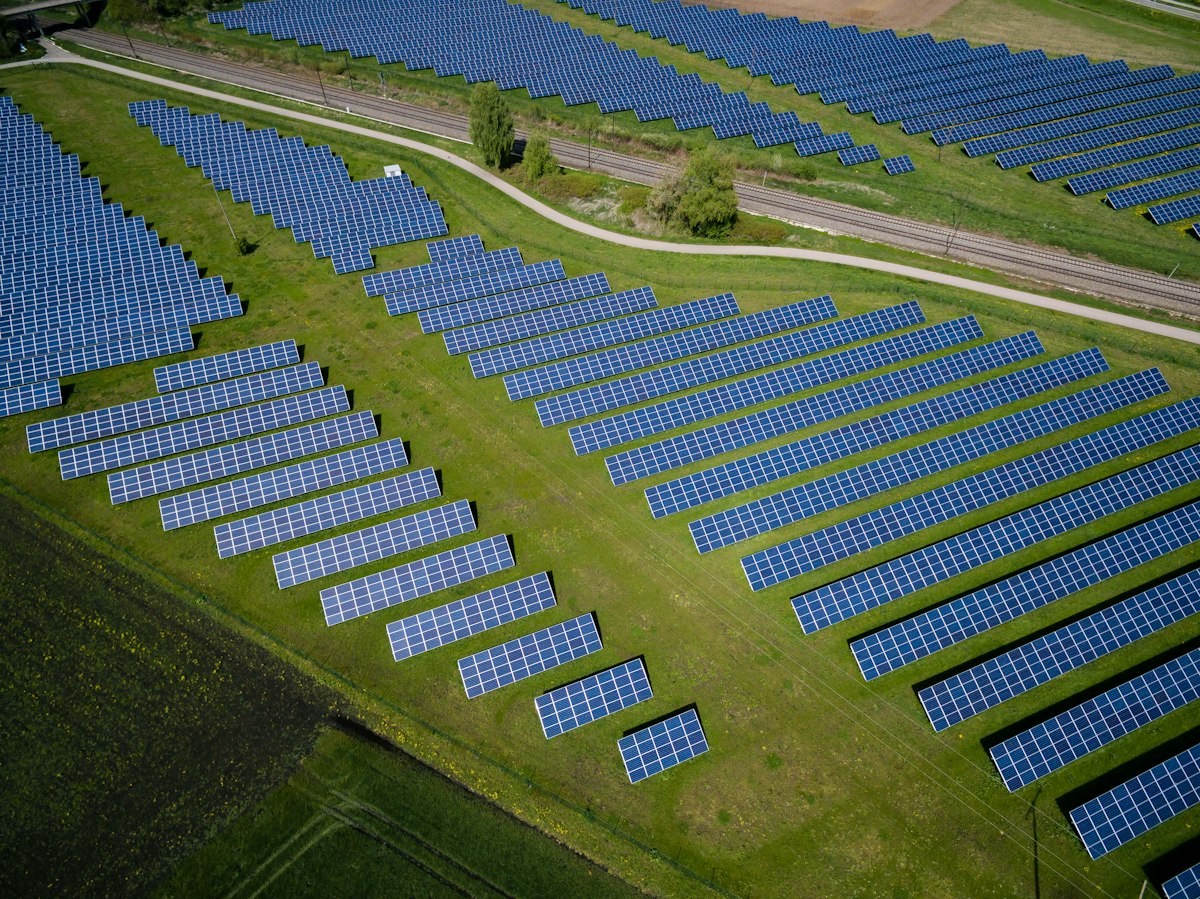
The initiative includes substantial investments in renewable energy sources, particularly wind and solar, which have seen significant growth in Texas, with the state already leading the nation in installed wind capacity. According to the U.S. Energy Information Administration, Texas added over 3,000 megawatts of wind power in 2025 alone, bringing its total to nearly 35,000 megawatts.
The plan also envisions expanding energy storage capabilities to manage the intermittent nature of renewable sources, with an estimated investment of $10 billion over the next decade. This would include the construction of large-scale battery facilities in cities like San Antonio and Fort Worth.
Additionally, Texas aims to implement stricter regulations on emissions from existing fossil fuel plants. The state’s Commission on Environmental Quality will oversee this transition, with a focus on ensuring compliance without stifling economic growth.
Critics of the plan, however, caution that the swift scale-up of renewables must be matched by a reliable grid to prevent outages. "While the goals are commendable, the grid's stability is paramount," said Dr. Anna Reyes, a senior energy analyst with the Texas Energy Coalition. "Without that, we risk falling short of our targets and endangering our energy security."
Texas’ oil and gas sector remains a significant concern, with industry leaders warning against rapid policy changes that could jeopardize jobs. The Texas Oil and Gas Association issued a statement asserting the need for a balanced approach that recognizes the state's energy heritage while embracing innovation.
As the July 1 deadline for the plan's implementation approaches, Texas will need to strike a delicate balance between economic growth and environmental responsibility, setting a precedent for other states to follow.