
In a landmark announcement on August 7, 2026, Texas Governor Greg Abbott unveiled a comprehensive strategy aimed at achieving carbon neutrality across the state by 2040. This ambitious plan is set to reshape the energy landscape of Texas, a state traditionally known for its fossil fuel dominance.
The initiative, dubbed the 'Texas Green Initiative', seeks to reduce the state’s carbon emissions by more than 50% over the next 14 years. Governor Abbott stated, “We must strike a balance between energy production and environmental preservation. This plan ensures Texas remains a leader in energy while protecting our natural resources for future generations.”
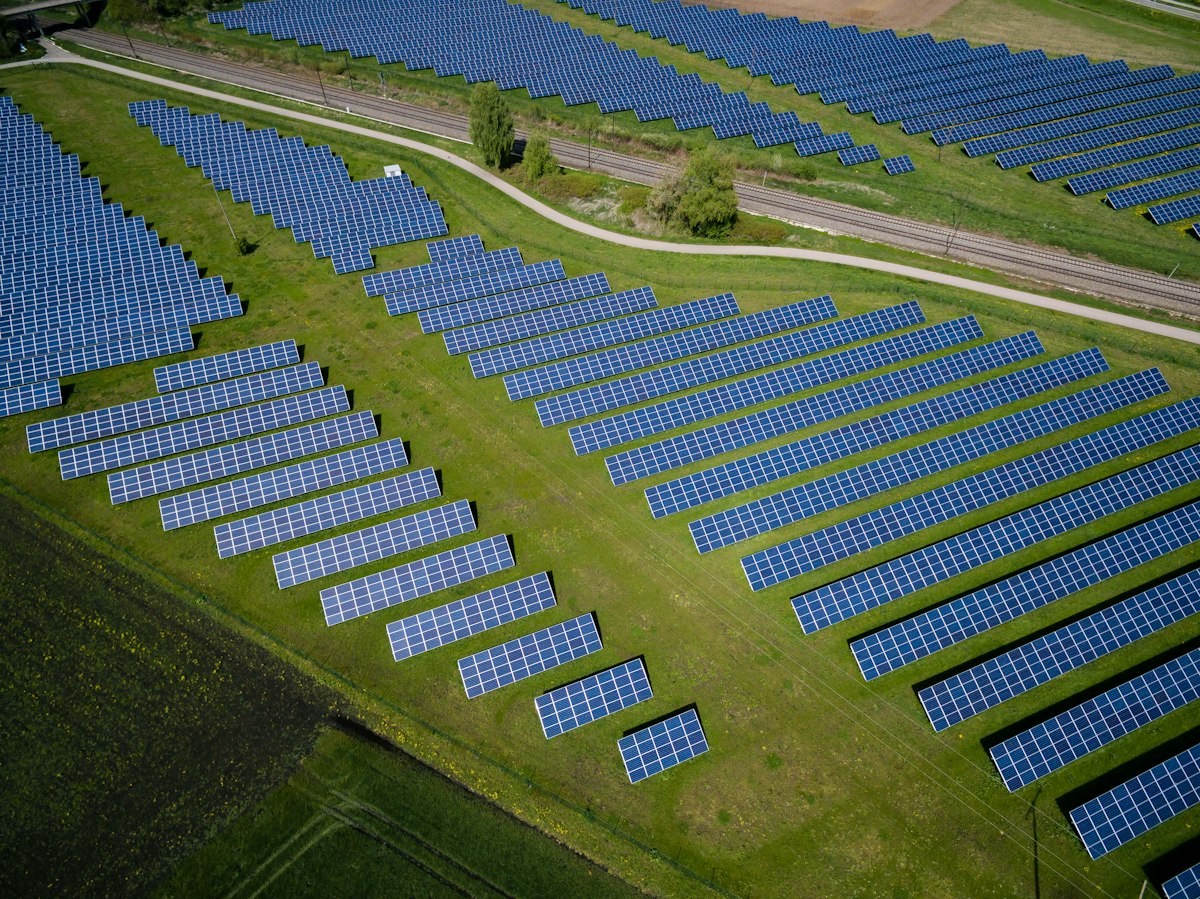
The strategy includes a multifaceted approach encompassing renewable energy expansion, energy efficiency programs, and the implementation of advanced carbon capture technologies. Texas, already the largest producer of wind energy in the United States, plans to triple its renewable capacity to 100 gigawatts by 2030, focusing heavily on solar and wind resources.
Local stakeholders, including the Texas Renewable Energy Association, have expressed cautious optimism about the initiative. “While the goals are promising, we need a clear roadmap and funding to support infrastructure improvements and job training,” commented Executive Director Tom Jones.
Financially, the plan is projected to cost approximately $45 billion over the next decade. State legislators are currently discussing potential funding sources, including a combination of federal grants, private investment, and a proposed increase in renewable energy credits.
Furthermore, the initiative aims to create over 100,000 jobs in the green energy sector, focusing on communities historically reliant on fossil fuel industries. This move is part of a broader effort to transition workers into sustainable employment opportunities.
Energy experts are closely monitoring the initiative, eager to see how it will affect Texas's overall energy market. “This could signal a major shift in how Texas approaches energy,” said Dr. Karen Lewis, a professor of Energy Economics at the University of Texas at Austin. “If successful, it may serve as a model for other states.”
Enthusiasm for the program is tempered by potential challenges, including regulatory hurdles and the need for local buy-in. As the state gears up for this transition, many are left wondering if Texas can truly reconcile its energy legacy with the pressing demand for sustainability.