
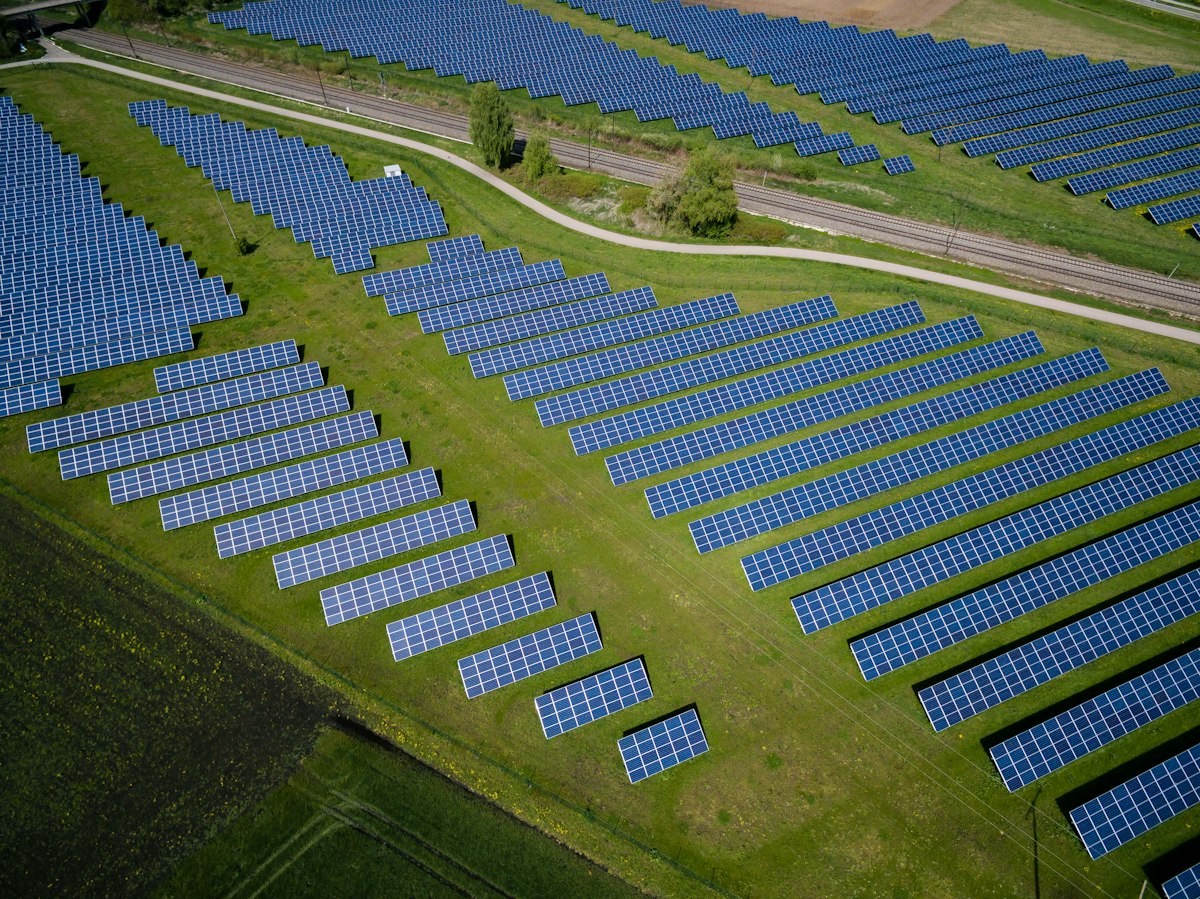
In a significant step towards modernizing its energy infrastructure, the State of Texas has announced a $200 million initiative aimed at enhancing energy storage capabilities across the region.
This ambitious program comes in response to the growing demand for renewable energy and the need for a more resilient power grid. With the increasing prevalence of solar and wind energy, the state recognizes that effective energy storage is crucial to manage supply fluctuations and ensure grid stability.
According to the Texas Renewable Energy Association, the state aims to triple its energy storage capacity from the current level of 3.5 gigawatts to over 10 gigawatts by 2030. This expansion is particularly vital as Texas continues to lead the nation in wind power generation, contributing over 25% of the U.S. total.
"Energy storage is the backbone of a modern grid, and Texas is committed to being at the forefront of this transition," said Governor Greg Abbott during the announcement at a solar facility in Austin. "This initiative will not only support our renewable goals but also create thousands of jobs in the process."
The funding will be allocated to various projects, including the development of large-scale battery storage systems and innovative technologies that can store energy for longer periods. Projects like these are expected to enhance the reliability of renewable sources, particularly during peak demand periods when traditional sources might falter.
Several Texas-based companies are already poised to benefit from this funding. Companies such as Fluence Energy, based in Houston, and Tesla's Gigafactory in Austin are expected to play pivotal roles in the state’s energy storage landscape. Fluence, for example, recently announced plans to expand its operations, aiming to provide advanced battery solutions to meet the state's storage needs.
As part of this initiative, Texas will also collaborate with academic institutions and research organizations to develop cutting-edge storage technologies. The University of Texas at Austin will lead research efforts focused on improving battery efficiency and reducing costs, ensuring that Texas remains competitive in the national energy landscape.
In addition to boosting energy storage, the initiative will also emphasize job creation, with projections suggesting that as many as 5,000 new positions could be created in construction, operations, and research within the next five years. This aligns with Texas' broader economic strategy to diversify its workforce and reduce dependence on fossil fuels.
However, the transition to a greener grid is not without challenges. Critics have raised concerns about the reliability of energy storage solutions and the potential environmental impact of large-scale battery production. Proponents argue that the benefits far outweigh the risks, insisting that a well-planned energy storage strategy is critical for a sustainable future.
As the initiative unfolds, stakeholders from across the energy sector will be closely monitoring its progress. The outcome will not only affect Texas's energy landscape but could also serve as a model for other states looking to enhance their renewable energy infrastructure and achieve sustainability goals.