
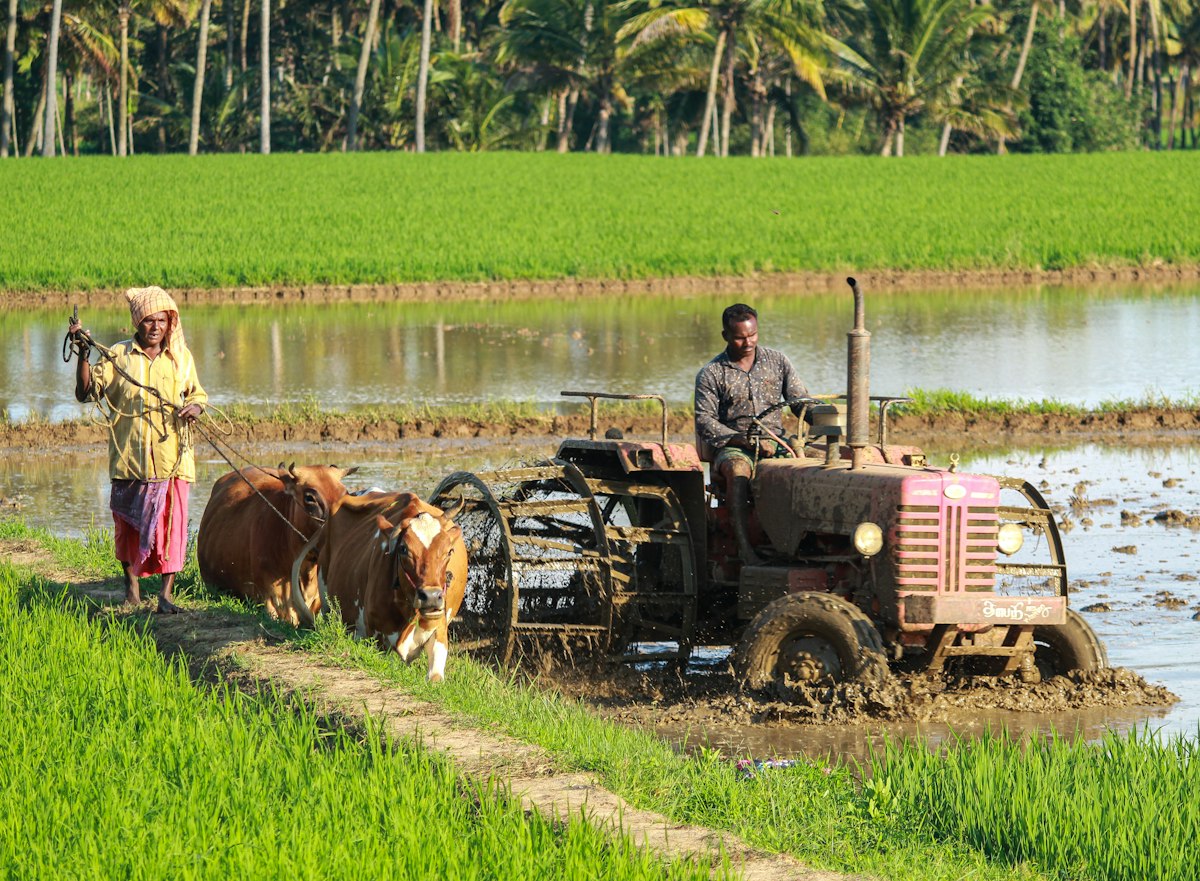
In response to growing environmental concerns, Texas agriculture is undergoing a significant transformation as farmers increasingly adopt sustainable practices.
The Texas Department of Agriculture reported that approximately 30% of the state’s farmers have implemented sustainable farming techniques in the past year alone. This shift is largely driven by a combination of consumer demand for organic products and a need to mitigate the impacts of climate change.
In Collin County, local farmer Maria Gonzalez has transitioned her traditional corn and soybean farm to an organic operation. “I want to leave the land in better condition for my children. Sustainable farming is not just a trend; it’s a necessity,” she noted.
The Texas Organic Farmers Association reported that organic crop sales in Texas reached nearly $1 billion in 2025, reflecting a growing consumer preference for sustainable products. This aligns with national trends where organic food sales have consistently outpaced non-organic sales.
Moreover, Texas has seen a rise in the production of cover crops and diversified crop rotations, which enhance soil health and reduce erosion. This practice not only benefits the environment but also improves farmers' bottom lines. “Cover crops can reduce input costs by improving soil fertility and reducing the need for chemical fertilizers,” explained Dr. Mark Jenkins, an agronomist at Texas A&M University.
Farming cooperatives are also playing a crucial role in promoting sustainable practices. In counties like Hays and Travis, groups of local farmers are collaborating to share resources, knowledge, and best practices for sustainable agriculture. “We are stronger together,” said Tommy Lee, a member of the Hays County Farmers Cooperative.
Despite the challenges of transitioning to sustainable methods, including higher initial costs and the need for education, the long-term benefits are becoming increasingly apparent. “The more we invest in sustainability, the better our future will be,” added Gonzalez.