
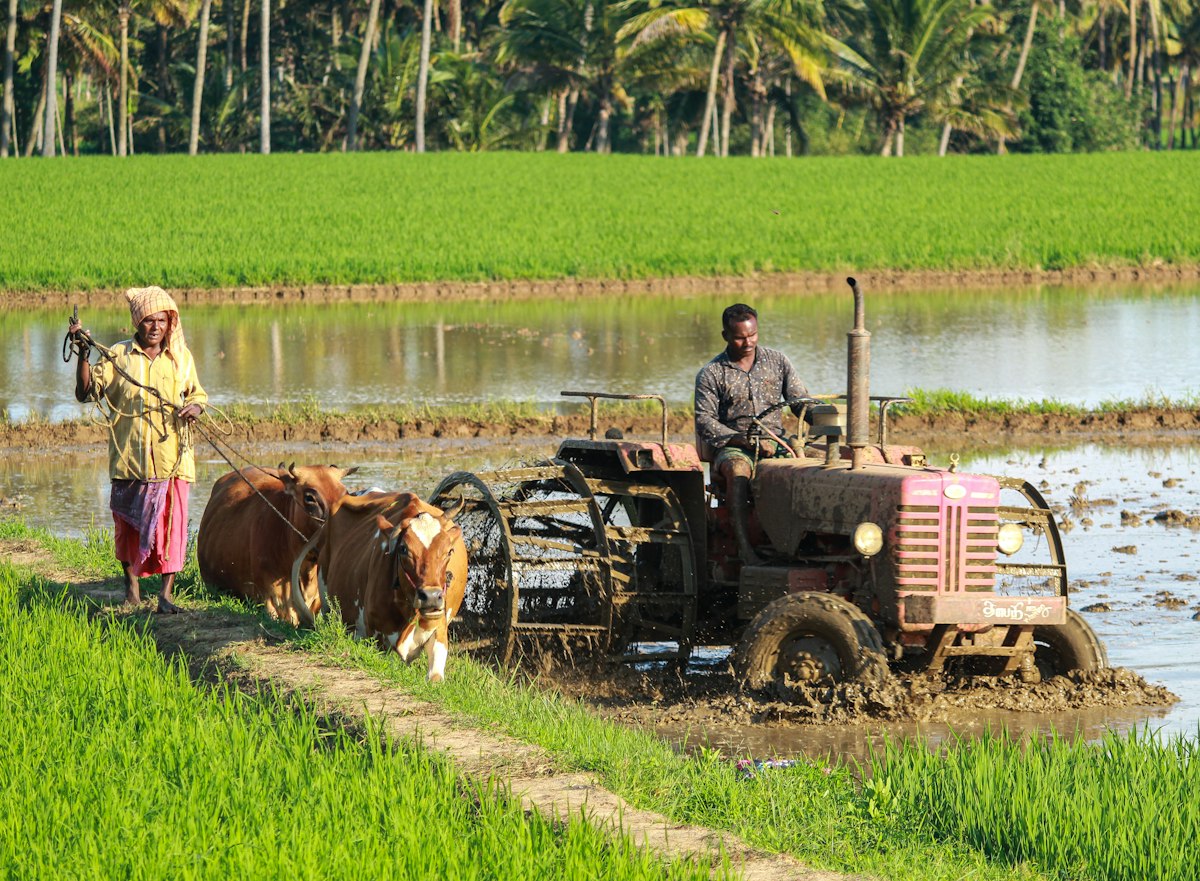
The Texas agriculture industry grapples with significant labor shortages as immigration policies continue to tighten.
In 2026, the impact of federal immigration reforms is being heavily felt in Texas’s agricultural sector, particularly in regions like the Rio Grande Valley and the Panhandle. The Texas Farm Bureau estimates that the state is short approximately 60,000 farmworkers, a problem exacerbated by restrictive immigration regulations and increased enforcement activities.
The shortage of labor has left many farmers struggling to harvest crops on time, leading to concerns about food waste and economic losses. Mark Johnson, a vegetable grower in Hidalgo County, expressed frustration over the situation: “We simply cannot find enough workers to pick our crops. Last season, we lost nearly $300,000 in unharvested produce.”
The situation has prompted calls for reform in immigration policies to ensure a reliable labor supply for the state’s farmers. Advocacy groups, including Farmworker Justice, are urging lawmakers to consider pathways for undocumented workers to obtain legal status, which would allow them to work in agriculture without fear of deportation.
In response to the labor crisis, some Texas farmers have begun to implement alternative strategies. Automation and mechanization are becoming more prevalent, with technologies such as robotic harvesters being tested in various agricultural operations. Texans A&M AgriLife has initiated a pilot program in Lubbock to evaluate the effectiveness of these technologies in reducing labor costs.
However, these technologies come with their own set of challenges. Initial costs can be prohibitive, and many producers question whether automation can adequately replace the labor-intensive tasks that are a hallmark of traditional farming. “Automation is great, but it’s not a one-size-fits-all solution,” cautions Linda Martinez, a farmer in El Paso. “Certain crops, like grapes and berries, require a human touch that machines just can’t replicate.”
Despite these hurdles, the push for technological innovation in agriculture is seen as a necessary step. The Texas Department of Agriculture has announced a grant program to assist farmers in adopting automation solutions, with a budget of $5 million aimed at easing the transition.
As labor shortages continue to pose a significant threat to the Texas agriculture sector, the intersection of immigration policy and technological adoption will likely shape the future of farming in the state. Farmers remain hopeful that the situation will improve, but the current landscape demands a multifaceted approach to ensure the sustainability of Texas's vital agricultural industry.