
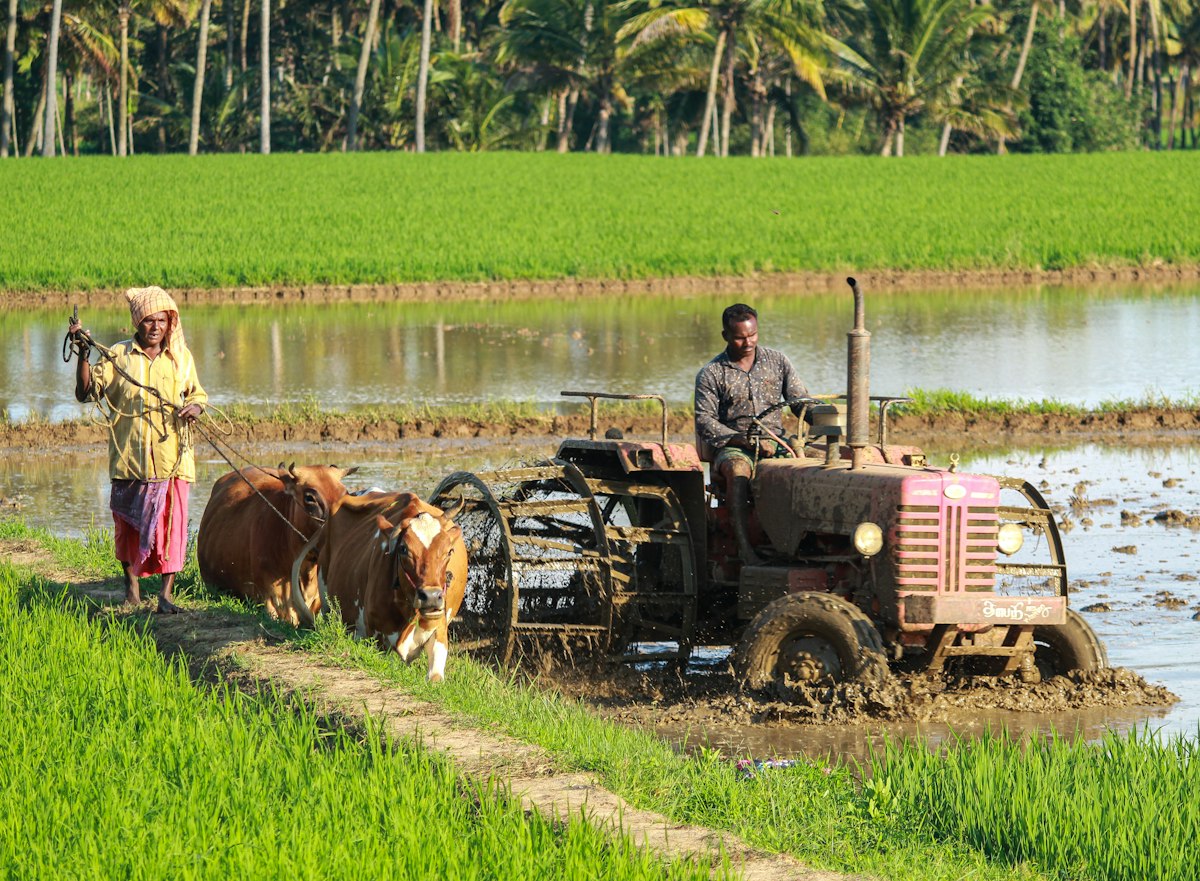
As the harvest season approaches, Texas agriculture is bracing for a significant labor shortage that could impact crop yields and profits.
The Texas Workforce Commission has reported a 30% decrease in available agricultural labor since the onset of the COVID-19 pandemic, exacerbated by changing immigration policies and rising employment opportunities in other sectors. This shortage threatens to disrupt the efficiency and productivity of the state’s vital agricultural sector, which contributes approximately $23 billion to the Texas economy.
Farmers in regions such as the Rio Grande Valley and the High Plains are reporting difficulties in securing seasonal workers needed for cotton, corn, and vegetable harvesting. John Ramirez, a vegetable grower in Mission, stated, "We rely heavily on migrant workers during harvest time, and without them, our fields will go unharvested. It's a crisis for us and many producers across the state."
In response, many farmers are considering implementing automation technologies to mitigate the impact. The Texas A&M AgriLife Extension Service has begun offering workshops on robotic harvesting technologies, which can potentially reduce the need for manual labor in the long term. However, the initial investment in such technologies can be prohibitive for small-scale farmers.
The Texas Farm Bureau has advocated for reforms to immigration policies that would allow for a more stable workforce. Texas Farm Bureau President Russell Boening commented, "The future of Texas agriculture depends on having access to a reliable labor force. We need policy changes that allow us to hire the workers we need, especially during peak harvest times."
Meanwhile, local agricultural organizations are stepping up to provide training programs aimed at attracting domestic workers to the agricultural sector. Efforts include outreach programs in high schools and community colleges, aiming to educate students about careers in farming and ranching.
As Texas agriculture faces the impending labor challenge, the need for immediate solutions becomes critical. With the harvest season just weeks away, producers and policymakers must work collaboratively to address the crisis in order to protect one of the state’s most vital industries.