
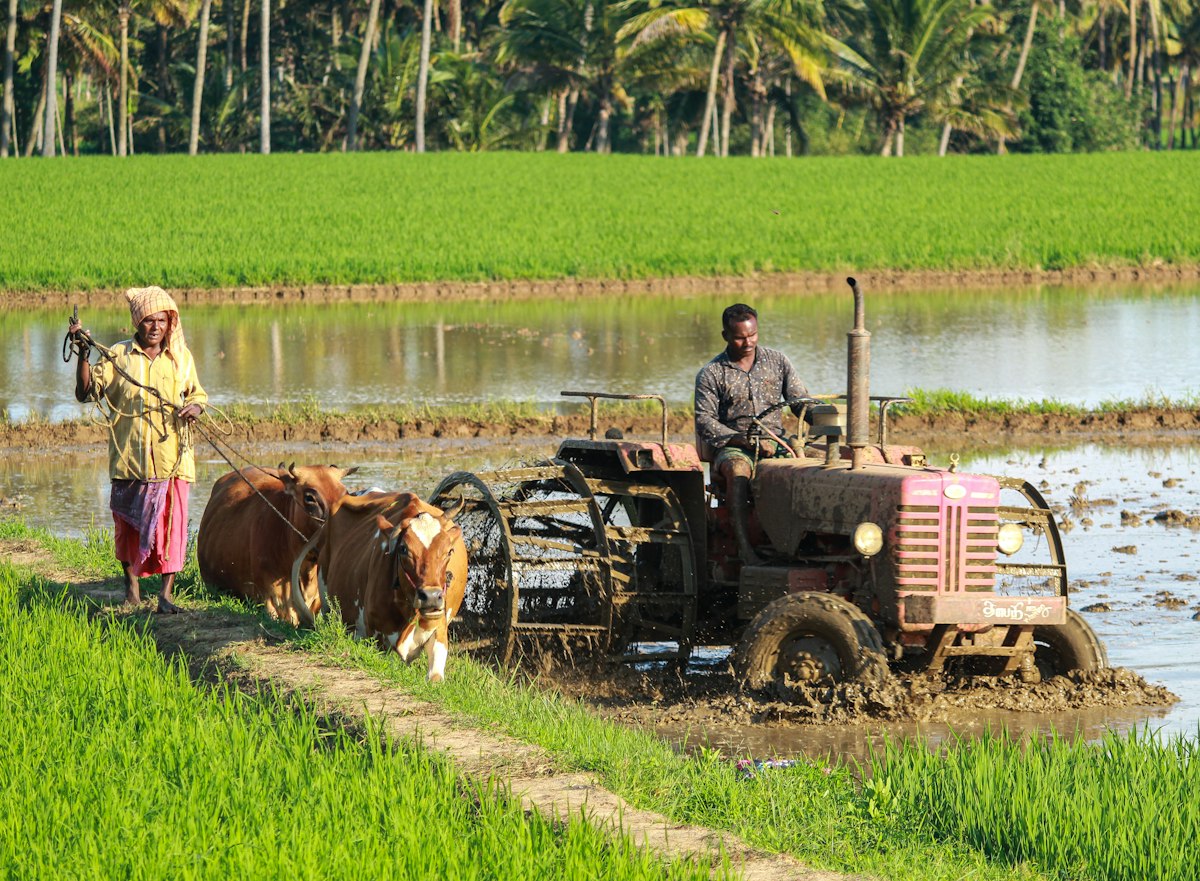
Amid growing concerns about climate change, Texas farmers are increasingly turning to sustainable practices to enhance productivity and reduce environmental impact.
In recent years, regions such as the Rio Grande Valley and the Panhandle have seen a marked shift towards regenerative agriculture methods. Farmers are employing techniques like cover cropping, reduced tillage, and integrated pest management to improve soil health and crop resilience.
The Texas Department of Agriculture reports that over 40% of the state's farmers are now incorporating some form of sustainable practice into their operations. This trend is largely driven by both environmental concerns and economic pressures, as input costs continue to rise.
“Sustainability isn’t just a buzzword; it’s a necessity,” said Tom Garcia, a farmer in the Valley who has transitioned to organic farming. “Not only does it help the planet, but it also improves my bottom line.”
With financial assistance from various programs, including the USDA's Environmental Quality Incentives Program, many farmers have begun to adopt these practices. In 2025 alone, Texas farmers received nearly $25 million in funding aimed at promoting sustainable agriculture.
The economic benefits of sustainable farming are becoming increasingly clear. Studies indicate that farms employing sustainable practices can yield 10-20% more crops compared to conventional methods due to improved soil health and reduced erosion.
As the state grapples with the realities of climate change, the movement toward sustainability is seen as a collective step towards a more resilient agricultural future. Local communities are beginning to recognize the value of supporting sustainable agriculture, leading to a rise in farmers' markets and local food initiatives.
While challenges remain, the transition to sustainable agriculture in Texas is steadily gaining momentum. As farmers prioritize both environmental stewardship and economic viability, the future of Texas agriculture looks promising.