
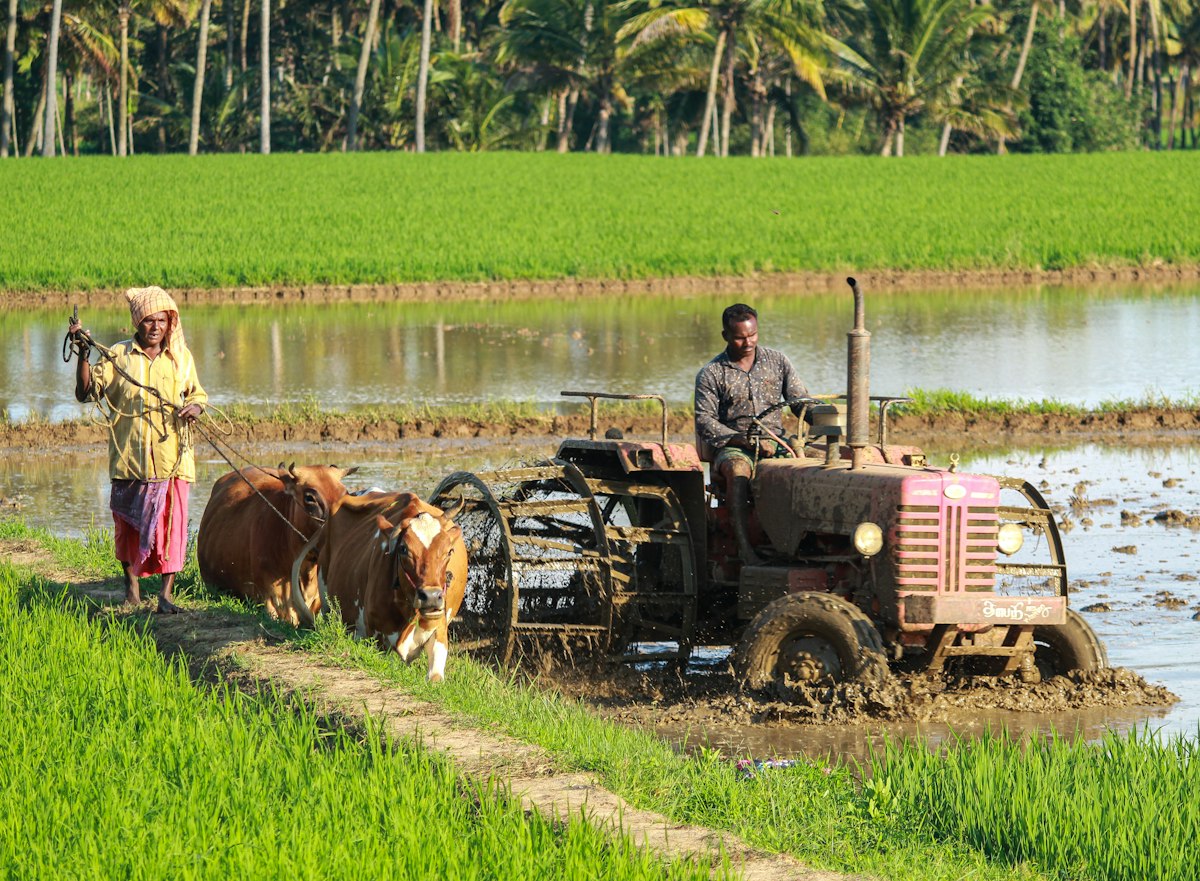
As traditional farming methods face mounting pressures, Texas is seeing a surge in agri-tech startups focused on providing innovative solutions to modern agricultural challenges.
From precision agriculture to drone technology, Texas' agri-tech sector is rapidly expanding, attracting investment and talent. Cities like Austin and San Antonio are becoming hubs for startups aiming to revolutionize farming efficiency and sustainability.
A recent report by PitchBook indicates that agri-tech investments in Texas have skyrocketed to over $300 million in 2026, reflecting a 30% increase from the previous year. This growth is largely driven by a growing need for technology that can address issues such as labor shortages and climate variability.
One notable startup, CropSense, based in Austin, has developed a platform that uses artificial intelligence to optimize crop yields by analyzing soil health and weather patterns. “Our technology is designed to give farmers the insights they need to make data-driven decisions,” explained CEO Emily Chen. “The goal is to enhance productivity while reducing resource use.”
Another innovative player, Agrivision, is utilizing drone technology to assist farmers in monitoring large fields for pest infestations and crop health assessments. The company has reported a 20% increase in operational efficiency for its users. “Drones are changing the game; they provide real-time data that can significantly reduce costs and improve yields,” said Tommy Reyes, co-founder of Agrivision.
The Texas government has also taken notice of the agri-tech trend, launching initiatives to support innovation in agriculture. Last month, the Texas Economic Development Corporation announced a new funding program aimed at helping agritech startups scale their operations, with a budget of $10 million over the next three years.
As the agricultural landscape continues to evolve, Texas farmers are increasingly eager to adopt new technologies. “We can’t afford to ignore the advancements that could help us survive,” stated Mary Lopez, a wheat farmer based in Lubbock. “Embracing technology is not just a choice; it’s a necessity.”
The rise of agri-tech in Texas signifies a critical shift in how the state approaches agriculture. With innovation at the forefront, the future of Texas farming looks promising, albeit challenging, as producers navigate both market pressures and environmental challenges.