
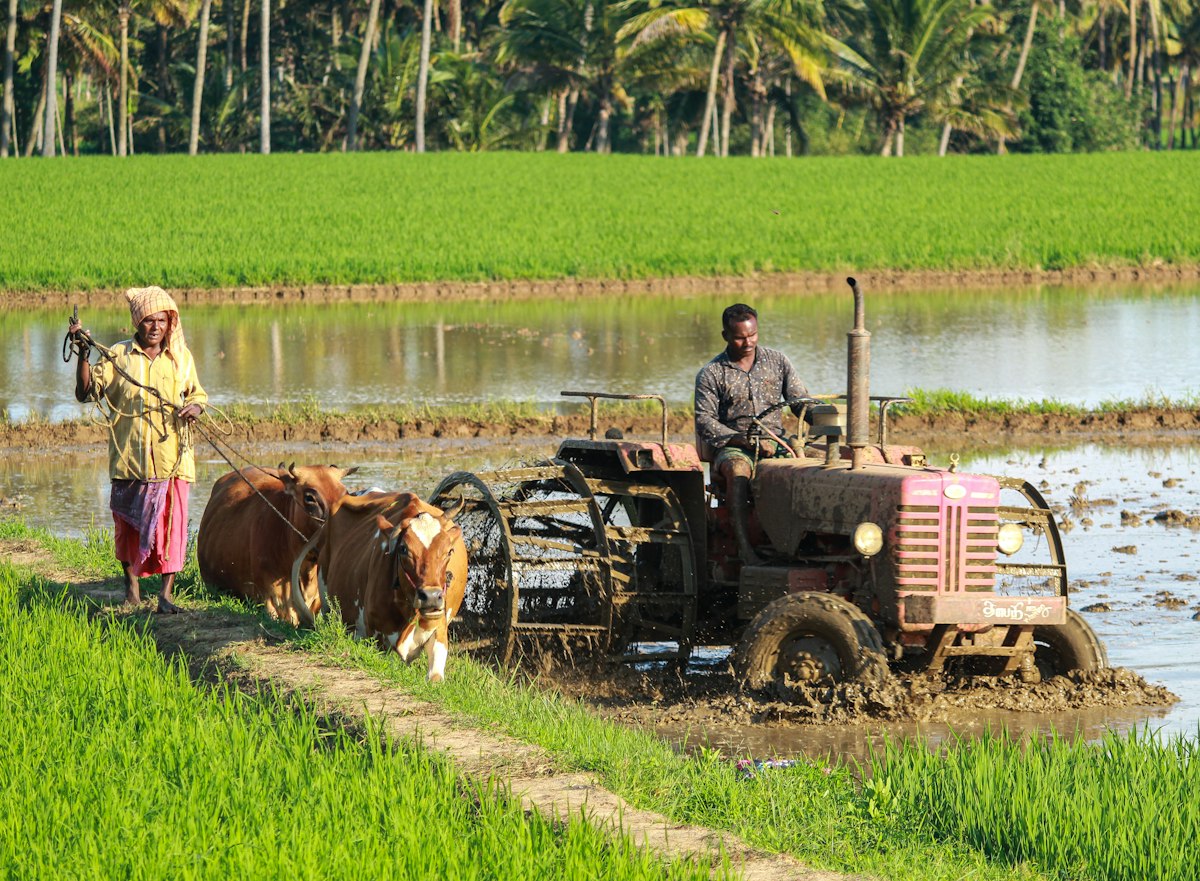
Texas is rapidly becoming a hub for agricultural technology innovation, with startups leading the charge in sustainable farming practices.
With over 1,300 ag tech companies currently operating in the state, Texas has solidified its reputation as a growing center for agricultural innovation. Cities like Austin and Dallas are at the forefront, attracting investment and talent to develop solutions that address critical issues in agriculture.
One of the standout companies in this ecosystem is CropTech Solutions, based in Austin. Founded in 2023, the startup has developed a groundbreaking platform that utilizes artificial intelligence to optimize crop management. CEO Jason Lee stated, "Our technology helps farmers make data-driven decisions that can reduce waste and improve yields, which is essential in a world facing food security challenges."
In addition to CropTech, companies like FarmBot and AgroDrone Innovations are also making strides. FarmBot, focusing on automated farming, has introduced machinery that allows for precision planting and harvesting, while AgroDrone is pioneering the use of drones for crop monitoring and pesticide application.
Despite these advancements, funding remains a critical concern for many startups. While venture capital in ag tech has surged, reaching $4.5 billion in 2025, competition for investment is fierce. Investors are increasingly looking for proven models and scalable solutions.
To address this funding gap, Texas A&M University has launched an Ag Innovation Accelerator program. This initiative aims to provide mentorship and financial resources to promising ag tech startups, ensuring they have the tools needed to succeed.
With climate change impacting agricultural practices worldwide, the emphasis on sustainability is more vital than ever. As reported by the Texas Environmental Quality Commission, nearly 20% of the state's agricultural land is considered at risk due to soil degradation and water scarcity.
In response, many startups are incorporating sustainable practices into their business models. For instance, EcoFarms, a startup focused on regenerative agriculture, works directly with farmers to promote soil health and biodiversity.
The potential for these innovations to reshape Texas agriculture is enormous. As the state's farmers increasingly adopt new technologies, the synergy between traditional farming practices and modern innovations will likely determine the future of the industry.
As Texas continues to embrace agricultural technology, industry leaders are hopeful that these advancements will not only enhance productivity but also foster a more sustainable environment for future generations.