
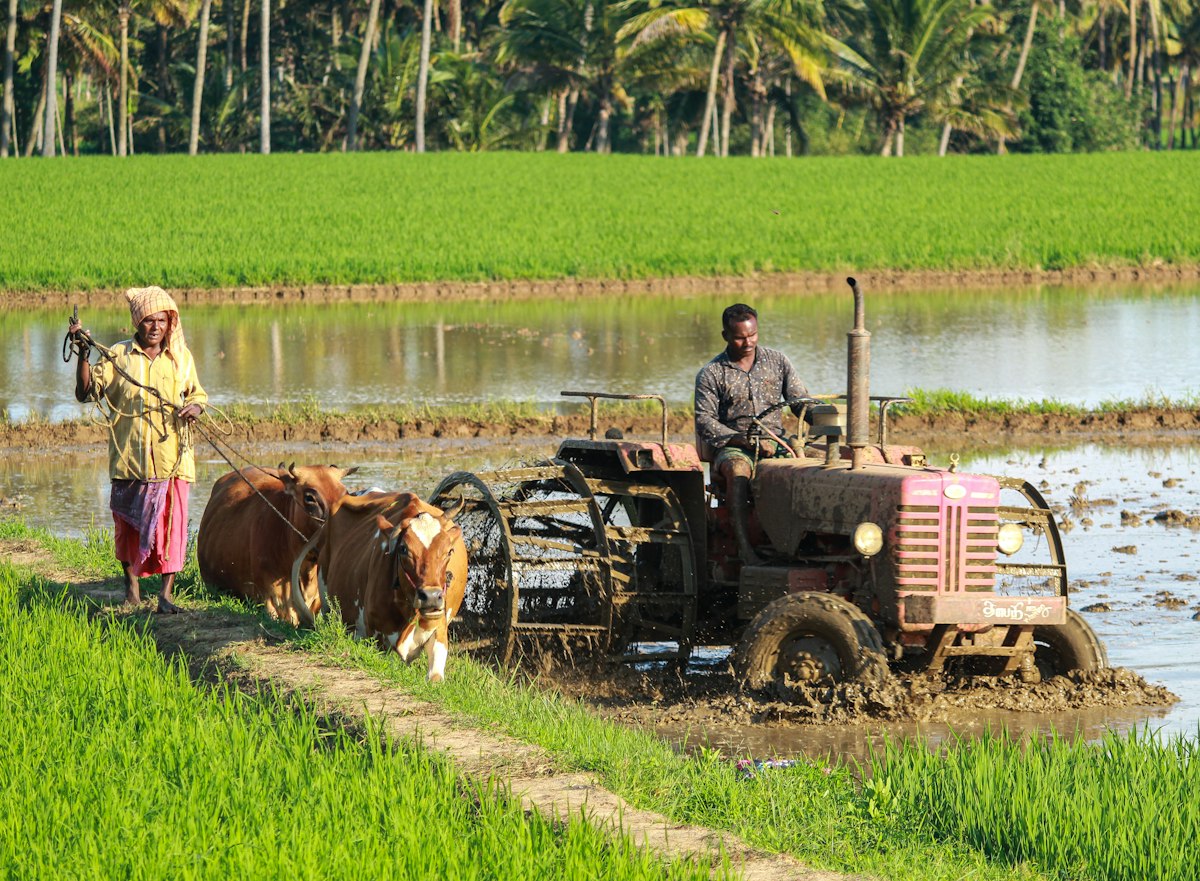
Innovative technology is redefining cattle ranching in Texas, enhancing efficiency and productivity in the state's vast ranching landscape.
Cattle ranching has long been a cornerstone of Texas agriculture, contributing over $10 billion annually to the state’s economy. However, ranchers are now leveraging cutting-edge technologies to address age-old challenges such as herd management, feed efficiency, and disease prevention.
In Abilene, rancher Tom Reed has implemented an array of technological advancements on his 5,000-acre operation. “From GPS tracking to automated feeding systems, technology has changed the way we manage our cattle,” Reed noted. “It’s all about efficiency and ensuring we’re providing the best care for our livestock.”
Recent reports indicate that Texas ranchers adopting these technologies have increased their operational efficiency by as much as 30%. Innovations such as precision livestock farming, which utilizes data analytics to monitor individual animal health, are becoming increasingly popular. This technology allows ranchers to detect health issues earlier, reducing veterinary costs and improving animal welfare.
Moreover, the rise of drone technology is assisting ranchers in monitoring vast pastures. Drones equipped with thermal imaging can identify cattle locations and assess pasture conditions, enabling timely interventions. According to the Texas Cattle Feeders Association, the adoption of drone technology has been linked to a 15% decrease in labor costs for ranchers.
However, the integration of technology comes at a price. Initial investments in smart technology can be substantial, with some ranchers reporting costs exceeding $100,000 for comprehensive systems. To assist ranchers in this transition, the Texas Department of Agriculture has launched a grant program aimed at subsidizing technology adoption for small to medium-sized operations.
As ranchers across Texas embrace these innovations, the long-term benefits may outweigh the initial costs. With the global demand for beef projected to rise, Texas ranchers are well-positioned to meet this demand through enhanced productivity and sustainability practices.
Ultimately, the marriage of technology and tradition in Texas cattle ranching represents a significant evolution in the industry, one that could reshape its future for generations to come.