
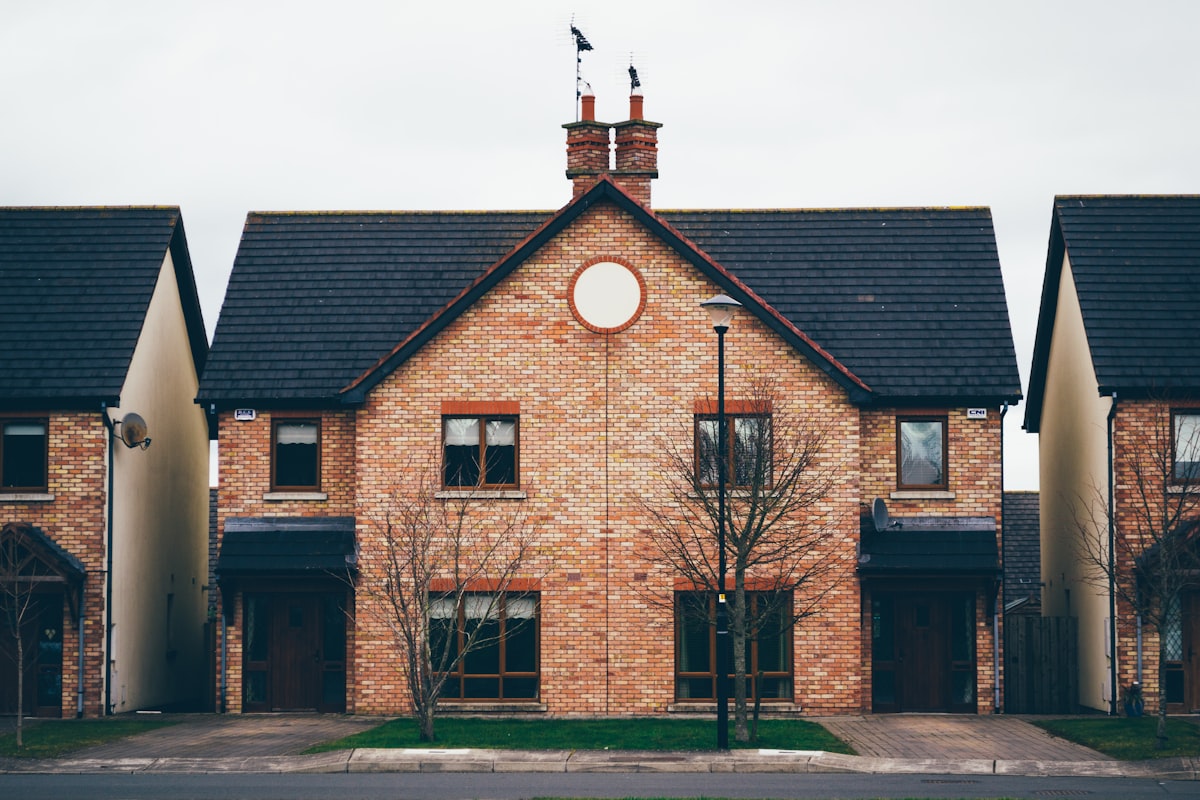
As of mid-2026, San Antonio is emerging as a hotspot for real estate investors, driven by a surging demand for rental properties.
The Alamo City has seen a significant influx of residents over the past year, leading to a 20% increase in rental prices, with the average rent now hovering around $1,600 for a two-bedroom apartment. This trend is attracting both local and out-of-state investors eager to capitalize on the burgeoning rental market.
“San Antonio offers a unique blend of affordability and growth potential, making it an attractive option for investors,” said Laura Martinez, a real estate investor based in San Antonio. “With more people moving here for jobs and lifestyle, the demand for rentals is only expected to rise.”
The city's employment landscape has been bolstered by robust growth in sectors such as healthcare, technology, and military, which has drawn a diverse workforce. As the population swells, so too does the demand for quality rental housing.
Recent data from the San Antonio Board of Realtors indicates that the number of rental units is not keeping pace with demand, leading to a tightening market. Vacancy rates have dropped to just 4%, creating an ideal situation for landlords and investors.
Furthermore, San Antonio's commitment to infrastructure development, with projects like the new Texas A&M University campus and the expansion of the San Antonio International Airport, is expected to further fuel growth in the housing market.
The increased competition among buyers has also led to bidding wars, particularly in emerging neighborhoods such as Alamo Ranch and Stone Oak, where properties are selling above asking price. “Investors are recognizing the long-term value of these neighborhoods,” commented Mark Reynolds, a local real estate agent. “The growth trajectory of the city is undeniable.”
However, some analysts caution that the rapid increase in rental prices could lead to concerns about affordability for low-income residents. “We need to ensure that San Antonio remains an accessible market for all its residents,” said Lisa Gomez, an urban planner with the City of San Antonio.
As the market continues to evolve, investors and local officials are keeping a close eye on developments that could impact the affordability and availability of housing. The future appears bright for San Antonio’s real estate sector, but balancing growth with sustainability will be key.