
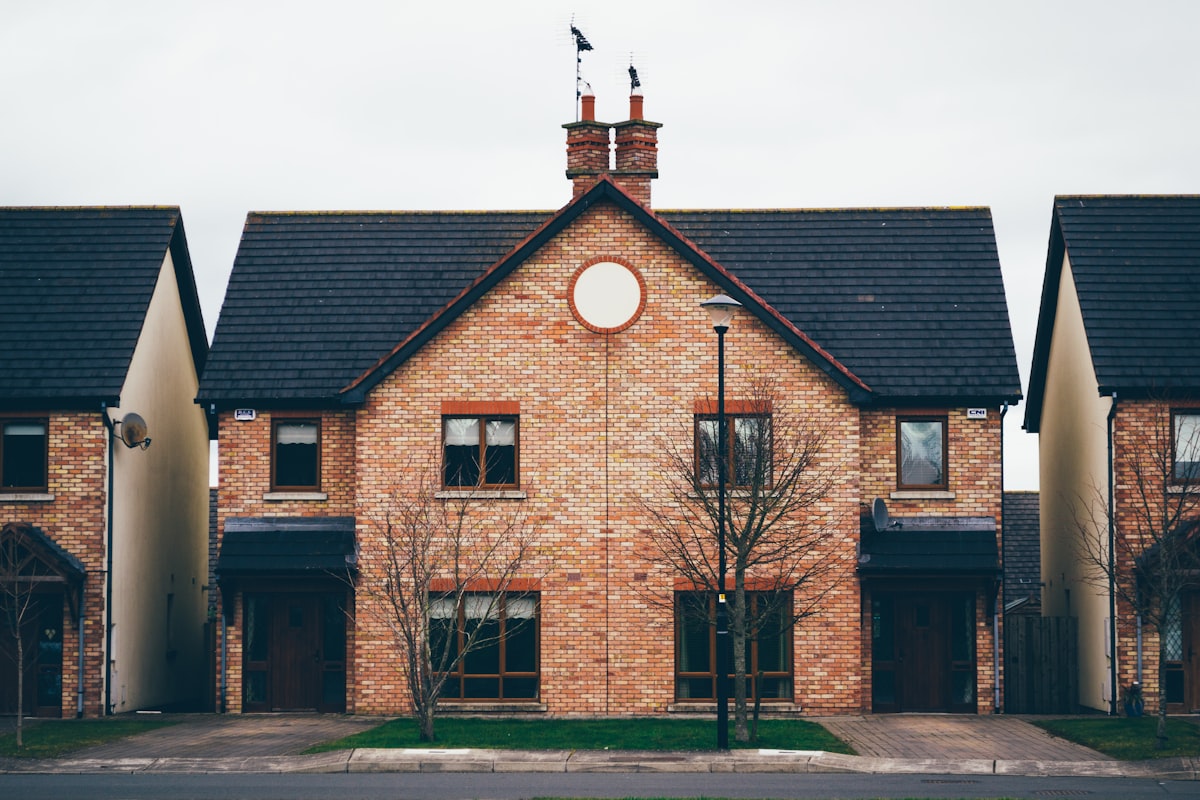
As San Antonio continues to grow, the city faces a mounting housing affordability crisis, exacerbated by rising costs and stagnant wages.
A recent report from the San Antonio Board of Realtors revealed that the median home price in the area has reached a staggering $320,000, up 25% from just two years ago. Despite a thriving economy, many residents find themselves priced out of the market, with wage growth lagging behind housing costs.
Local economist Dr. Laura Martinez emphasized the urgency of the situation, stating, "San Antonio has long been an affordable city, but that perception is changing rapidly. If we don't address these affordability issues soon, we risk displacing long-time residents and undermining the community's diversity."
The city's rental market is also feeling the effects, with average rents climbing to $1,700 per month, a 20% increase from last year. Many residents, particularly those in lower-income brackets, are struggling to keep up with these escalating costs.
In response to the crisis, city officials are considering various initiatives aimed at increasing the supply of affordable housing. Proposed measures include incentivizing developers to build more low-income units and revising zoning laws to allow for greater density in urban areas.
Housing advocates remain cautiously optimistic about these proposals, although some argue that they may not be enough to stem the tide. Jennifer Reyes, a local housing advocate, noted, "While we appreciate the city's efforts, we need bold actions that will lead to tangible results. The longer we wait, the more difficult it will become for average families to find housing they can afford."
As the city moves forward with potential solutions, residents are left grappling with the reality of a quickly changing landscape. The affordability crisis in San Antonio serves as a stark reminder of the challenges that come with rapid growth.
In conclusion, without immediate intervention, San Antonio's housing affordability challenges are likely to worsen, impacting the city's long-term economic health and quality of life for its residents.