
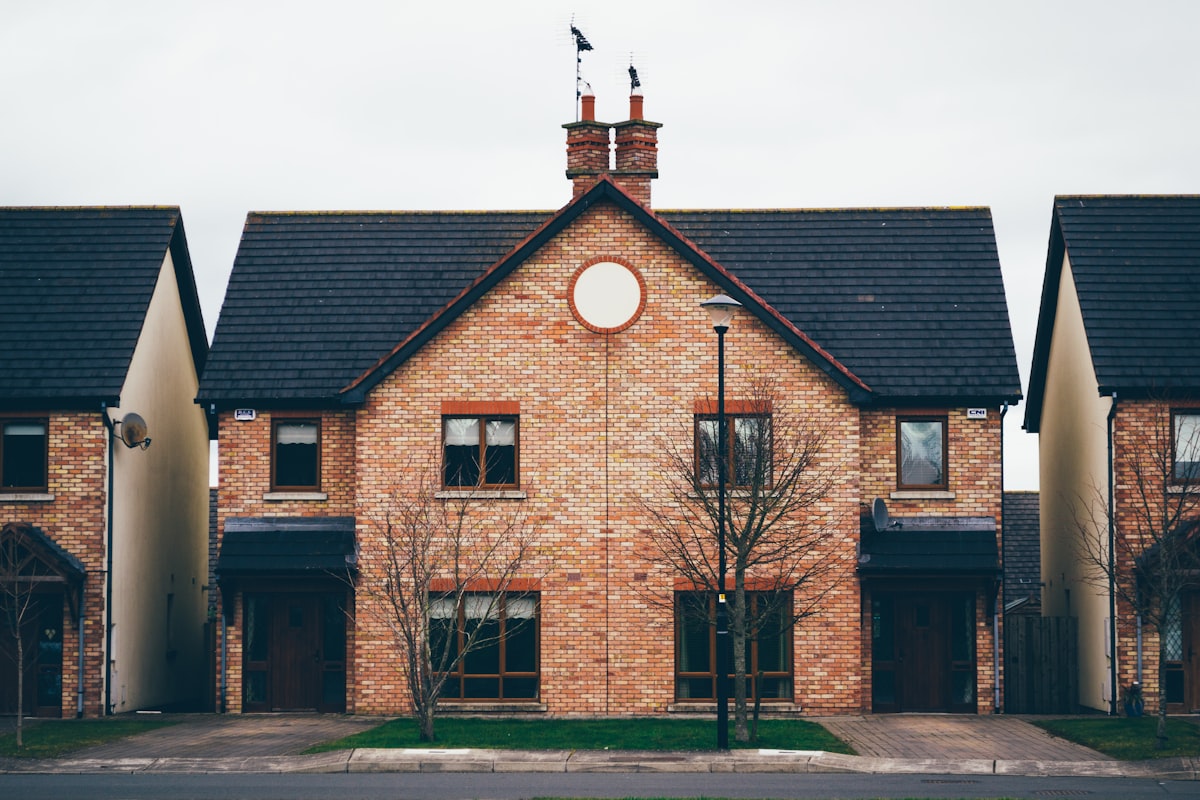
As more Texans seek refuge from urban congestion and escalating living costs, rural areas are witnessing a dramatic increase in real estate investments. This migration trend, accelerated by the pandemic and flexible work arrangements, is reshaping the real estate landscape in cities like Waco, Tyler, and Fredericksburg.
In Waco, for instance, real estate transactions in the rural outskirts have surged by 30% year-over-year, according to data from the Texas A&M Real Estate Center. "People are realizing they can have a larger home, more land, and a better quality of life without sacrificing their careers," noted Emily Carter, a local real estate agent.
Tyler has also seen an influx of buyers from metropolitan areas, with new developments catering to families seeking larger lots and homes with outdoor amenities. The average home price in Tyler has increased by 15% since last year, highlighting the demand for rural living options. "We’re seeing buyers willing to pay a premium for properties that offer space and tranquility," Carter added.
Fredericksburg, known for its scenic landscapes and wineries, has reported a similar trend, with vacation home purchases rising sharply. Investors view the area as a strong market for short-term rentals, driven by increased tourism and a desire for rural getaways. The local government is responding by implementing guidelines to manage growth while protecting the area's unique character.
As rural areas continue to attract urban dwellers, the implications for Texas' economy and community structures are profound. It remains to be seen how local governments will balance growth with sustainability, but for now, the exodus from cities appears to be a defining trend in the Texas real estate market.