
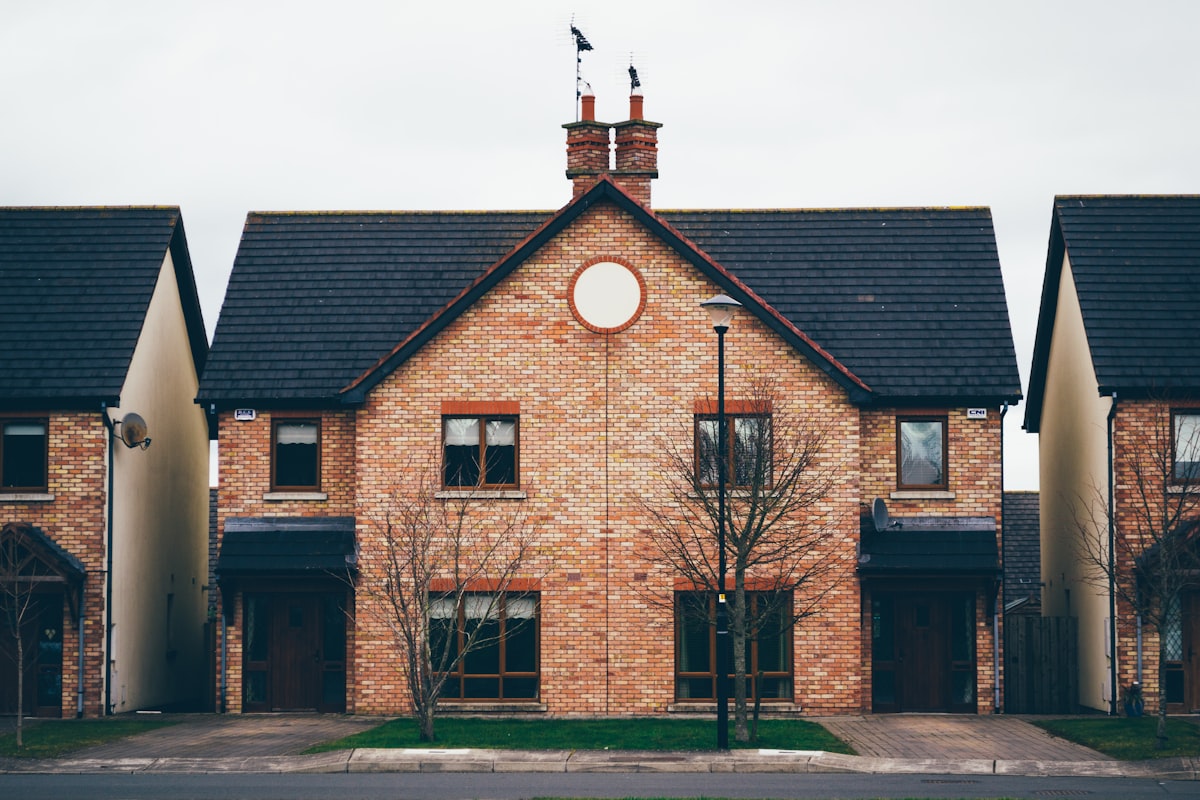
As home values continue to rise across Texas, the accompanying surge in property taxes has become a growing concern for homeowners. With many regions experiencing substantial increases in assessed values, Texans are facing tough financial decisions in an already challenging economic environment.
In Travis County, home values increased by an average of 10% this year, leading to a corresponding rise in property taxes that has left many residents feeling the pinch. Homeowners are now receiving tax bills that reflect a median increase of $1,200 compared to last year.
“It feels overwhelming,” said Sarah Johnson, a homeowner in Austin. “I love my home, but every year it feels like I’m paying more and more just to live here.”
Statewide, the Texas Comptroller's Office reported that property tax revenues reached a record $70 billion in 2026, a 15% increase from the previous year. This surge has prompted lawmakers to consider potential reforms aimed at alleviating the burden on homeowners.
“We understand the strain that rising property taxes can put on families, and we are exploring options to provide relief,” stated State Representative Mike Anderson. “It’s crucial that we find a balance between funding essential services and protecting homeowners from excessive tax increases.”
The debates come as many Texans are struggling with inflationary pressures on everyday expenses, including groceries and gas. With the additional financial strain of rising property taxes, some families are reconsidering their long-term housing plans.
In Houston, homeowners have reported similar challenges, with property tax rates reaching an average of 2.5%. This has led to an outcry for more transparency in how property values are assessed and taxed.
“We need a system that is fair and reflects the true value of our homes,” remarked David Lee, a long-time resident of Houston. “Homeownership should not be a constant source of anxiety.”
As the 2026 legislative session approaches, discussions around property tax reform are expected to intensify, with advocacy groups mobilizing to push for change. With property taxes becoming a central issue in the state, the outcome of these discussions could have significant implications for the future of homeownership in Texas.