
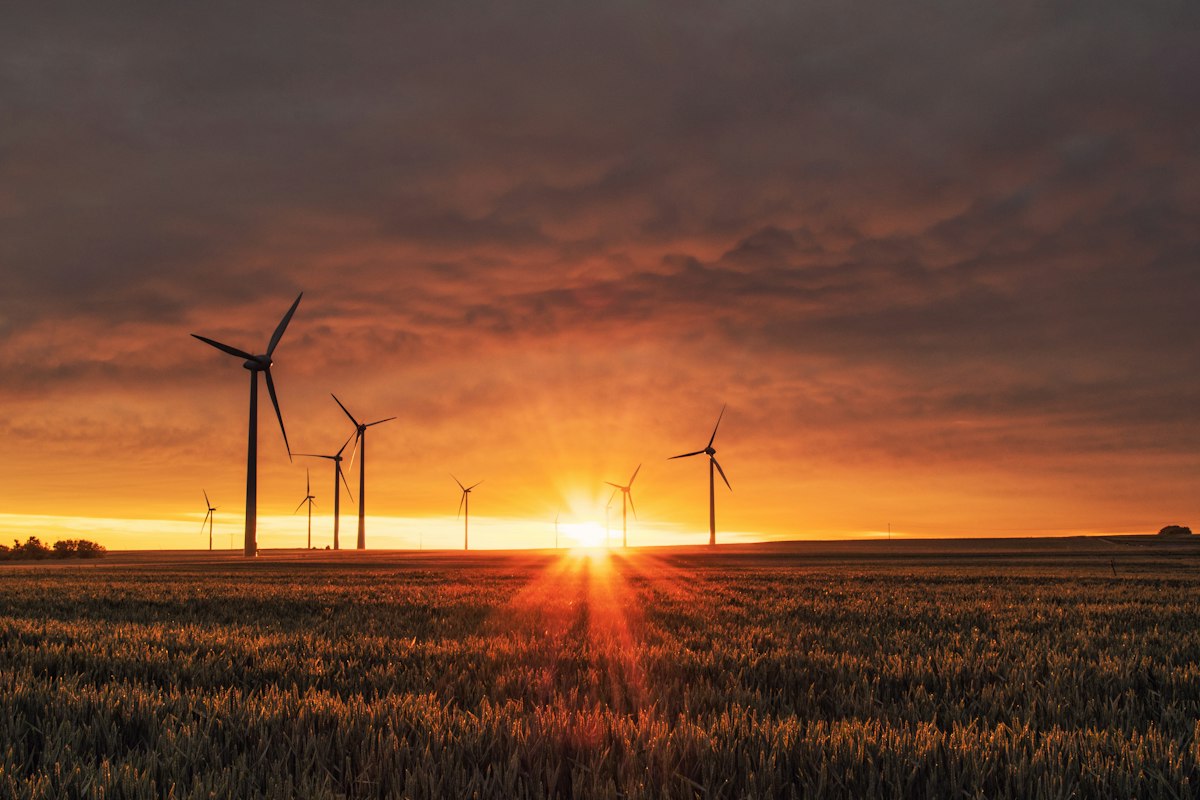
The renewable energy sector in Texas is not only transforming the state’s energy portfolio but also driving significant economic growth across various industries. Recent data released by the Texas Workforce Commission indicates that jobs related to renewable energy have increased by 25% in the past year alone, outpacing job growth in traditional energy sectors.
The economic impact of this growth is particularly notable in cities like San Antonio and Dallas, which have emerged as central hubs for renewable energy innovation and development. In San Antonio, the newly established Renewable Energy Innovation Center has attracted over $200 million in investments from major companies, including Tesla and NextEra Energy, aimed at advancing solar and wind technologies.
“Texas is demonstrating that a strong economy can coexist with a commitment to sustainability,” said Laura Reyes, director of economic development for San Antonio. “The investments we are seeing not only create jobs but also position Texas as a leader in the renewable energy landscape.”
Furthermore, according to a report from the American Clean Power Association, Texas is expected to generate over 45% of the nation’s wind energy by 2030, a move that could generate an estimated $50 billion in economic activity within the state.
The demand for renewable energy has also spurred growth in related sectors, such as manufacturing and technology. In Dallas, companies specializing in energy storage and smart grid technologies have reported a 30% increase in revenue compared to last year, leading to additional hiring and expansion plans.
Local universities are also getting in on the action, with institutions like the University of Texas at Austin launching new programs for research and development in renewable energy technologies. This academic investment is vital for equipping the future workforce with the skills needed in a rapidly evolving energy marketplace.
Despite these positive trends, challenges remain. The Texas grid, managed by ERCOT, is under pressure to accommodate the growing share of renewable energy while ensuring reliability. The recent extreme weather events have highlighted the need for further investments in grid infrastructure.
In an official statement, ERCOT’s CEO, Brad Jones, emphasized the importance of proactive measures to enhance grid resilience: “We must prioritize modernizing our infrastructure to ensure that Texas remains a leader in both renewable and traditional energy.”
As Texas continues to grow its renewable energy sector, the state stands at a critical juncture, with the potential to not only reshape its economy but also set a standard for sustainable energy practices nationwide.