
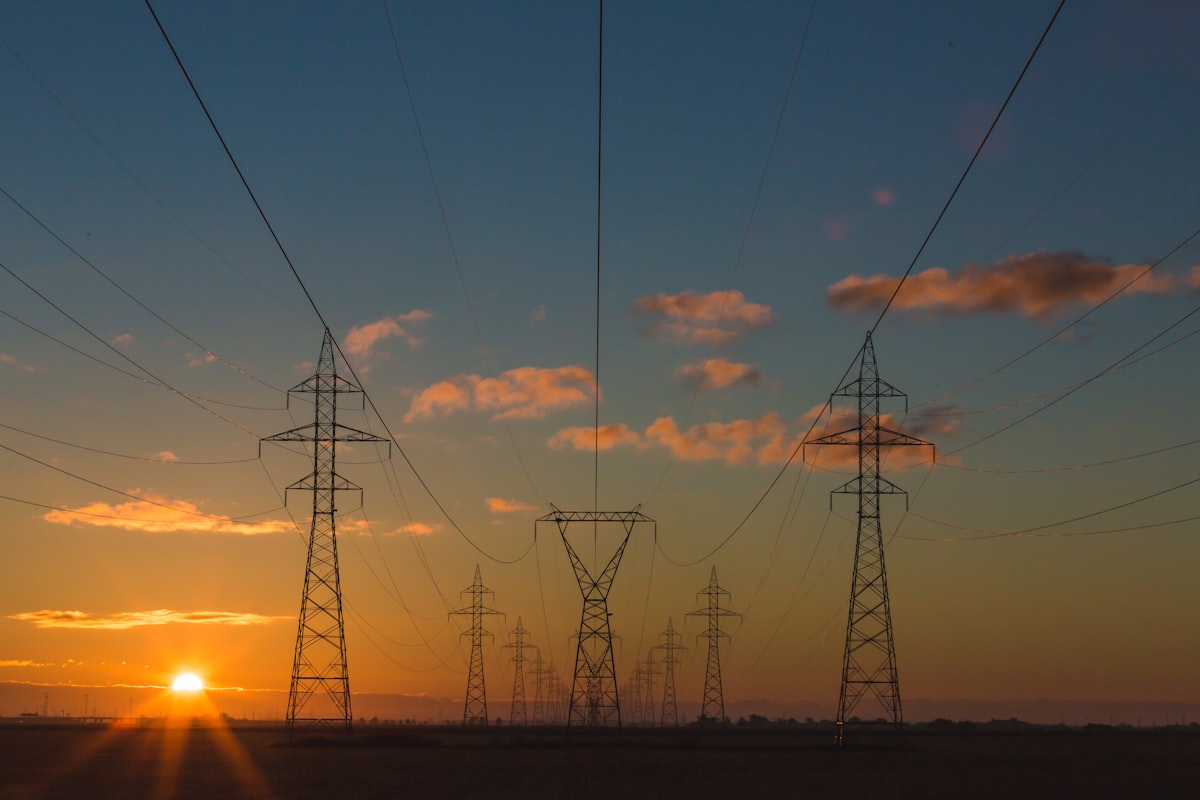
In a significant shift towards sustainability, Texas is rapidly expanding its renewable energy initiatives, aiming to be the leading state in clean energy production by 2030.
Recent reports indicate that Texas is now the nation’s largest producer of wind energy, generating over 30,000 megawatts as of June 2026. This milestone marks a notable achievement for the state, which has invested heavily in wind and solar projects over the past decade. Major cities like Austin and Dallas are at the forefront of these developments, facilitating large-scale solar farms and wind turbine installations.
“The commitment from both the public and private sectors has been unprecedented,” stated Sarah Nguyen, Director of the Texas Renewable Energy Association. “Our goal is to generate 50% of Texas's electricity from renewables by 2030, and we are well on our way to achieving that.”
Notably, a recent $1.2 billion investment by NextEra Energy in a massive solar project near Abilene promises to add 1,500 megawatts to the grid by the end of 2027. This project is expected to create around 1,200 jobs during the construction phase and will significantly reduce carbon emissions once operational.
The push for renewable energy is gaining traction not just for environmental reasons but also for economic growth. According to a study by the University of Texas, renewable energy investments could create over 200,000 jobs across the state by the end of the decade, particularly in rural areas where many wind and solar farms are located.
Despite the momentum, challenges remain. Critics point to the need for updated infrastructure to support the growing renewable sector. The state’s grid operator, ERCOT, has been under pressure to enhance capacity and reliability as more intermittent energy sources come online. “Investments in grid modernization are essential to ensure that we can handle the increased load from renewable sources,” remarked Bill Turner, CEO of ERCOT.
As Texas forges ahead, local utility companies are also adapting. Recently, Oncor Electric Delivery announced its plan to invest $500 million in smart grid technology to improve the efficiency and reliability of energy distribution, aiming to accommodate the growing influx of renewables.
The market's response has been positive, with several new players entering the renewable energy space, leading to increased competition and innovation. As the state continues on this path, the implications for both consumers and investors could be profound, making Texas a beacon of clean energy progress.