
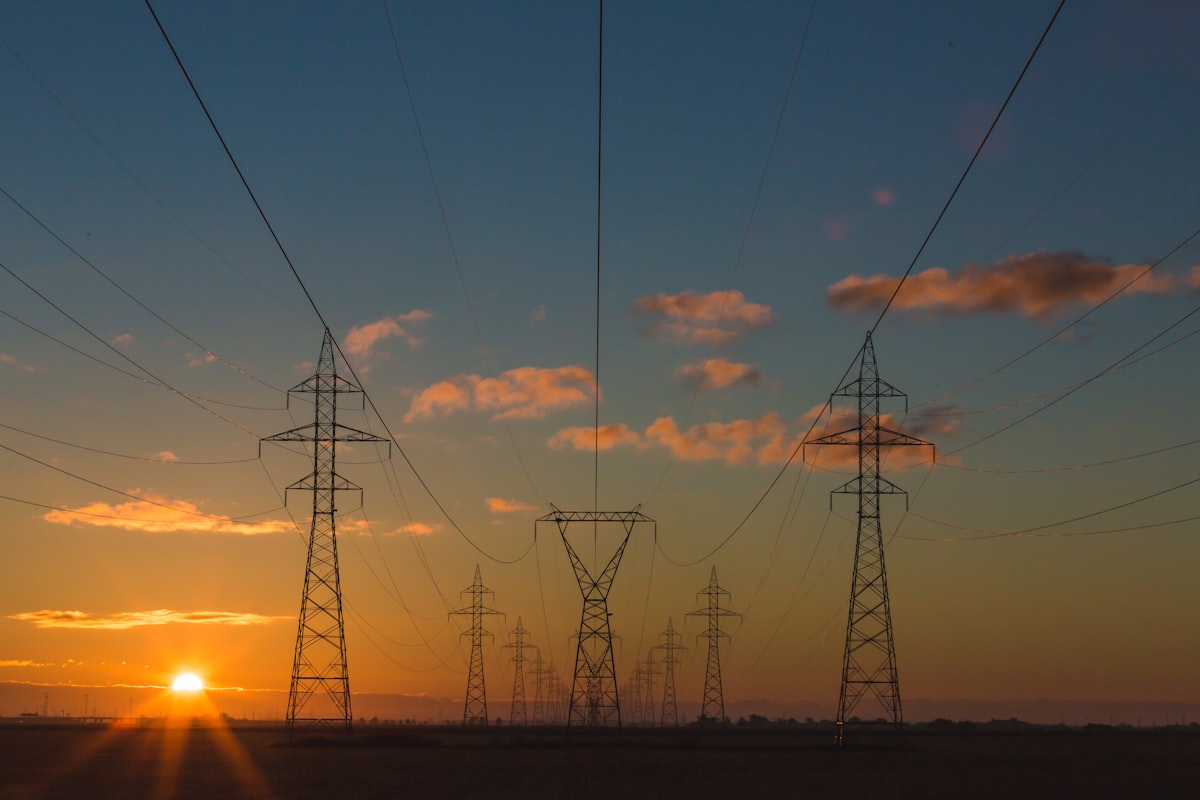
In a dramatic shift, several of Texas's largest oil companies are redirecting their investment strategies toward renewable energy projects, signaling a profound change in the traditional energy sector.
ExxonMobil, headquartered in Irving, announced last week plans to invest $15 billion into renewable energy solutions over the next five years. This investment will focus on solar and wind energy projects, which are increasingly seen as essential to meeting both shareholder and regulatory expectations for sustainability.
“Our board recognizes that to remain competitive, we must diversify our portfolio,” said ExxonMobil CEO Darren W. Wood. “By investing in renewable energy, we are not just responding to market trends, but also to a growing demand from consumers who prioritize sustainable practices.”
With global energy markets evolving rapidly, the shift comes amid concerns over climate change and the need for cleaner energy sources. Recent data indicates that in 2025, renewable energy investments across the globe surpassed those in fossil fuels for the first time, and Texas is no exception to this trend.
Chevron, another oil titan based in San Ramon, California but with significant operations in Texas, recently announced a partnership with NextEra Energy to co-develop several large-scale solar farms across the state. This initiative aims to generate 3,000 megawatts of renewable energy by 2030, enough to power over 1 million homes.
“This partnership underscores our commitment to a sustainable future,” said Catherine C. MacGregor, CEO of Chevron. “We see significant potential in solar energy, and our collaboration with NextEra will enhance our renewable footprint in Texas.”
Texas has long been a bastion of oil and gas production, leading the United States in both crude oil and natural gas output. However, the surge in renewable energy production has positioned the state as a formidable player in the clean energy sector as well. According to reports from the Texas Energy Information Center, renewable sources accounted for nearly 30% of the state’s electricity generation in 2025, up from just 20% in 2020.
This transition is not without its challenges. Critics have raised concerns about the pace of these changes and whether these companies can genuinely commit to sustainability without sacrificing profits. Others worry about job losses in traditional sectors.
However, many industry analysts believe that the transition could create new jobs in renewable sectors. “The future of energy is not just about oil or renewables; it's about striking a balance,” asserted Dr. Linda A. Cruz, an energy economist at Texas A&M University. “The oil giants are realizing that they must adapt to survive in this new energy landscape.”
As Texas forges ahead into this new era of energy, the commitment from oil companies to diversify their investments could redefine the state's future, making it a leader not only in fossil fuels but also in renewable energy.