
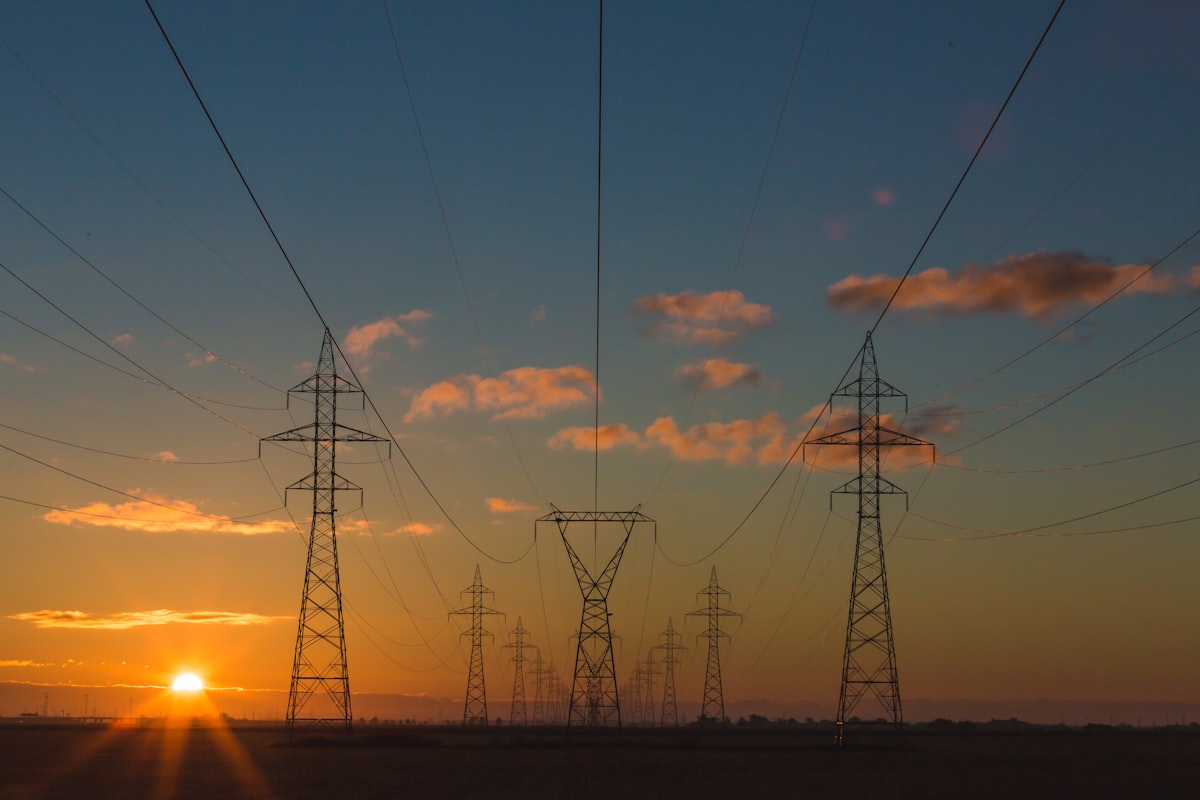
In a bold move to address the challenges faced by the Texas energy market, state lawmakers have introduced new legislation aimed at enhancing grid reliability and integrating more renewable energy sources.
The proposed reforms come in response to the February 2021 energy crisis, which left millions without power for days during a severe winter storm. The bill, known as the Texas Energy Reliability Act, was introduced in the state legislature on July 15, 2026, and aims to allocate $5 billion towards upgrading the state's electricity grid and incentivizing renewable energy projects.
"We cannot afford to let another crisis like the one we experienced in 2021 happen again," said State Senator Jane Nelson, chair of the Senate Committee on Business and Commerce. "This bill is a critical step towards ensuring our energy infrastructure is resilient, reliable, and capable of supporting a diverse energy portfolio."
The legislation proposes several key measures, including the establishment of a renewable energy credit trading system and increased funding for energy storage technologies. The goal is to enable greater integration of solar and wind power into the state's energy mix, which currently relies heavily on natural gas.
According to the Electric Reliability Council of Texas (ERCOT), the state’s grid operator, demand for electricity is projected to increase by 25% over the next decade. This surge necessitates a robust and flexible energy infrastructure that can accommodate fluctuating renewable resources.
In addition to the proposed financial investments, the bill also calls for a comprehensive review of the state's existing energy policies and regulations. This review aims to identify barriers to the development of renewable energy projects and propose solutions to streamline permitting processes.
Environmental advocates have praised the initiative, viewing it as a positive step towards a cleaner energy future for Texas. Dr. Laura Sanchez, a senior policy analyst at the Environmental Defense Fund, stated, "This legislation could pave the way for a more sustainable energy future, providing both economic and environmental benefits for Texans."
However, the bill has faced opposition from some industry groups who argue that the focus on renewables could undermine the stability of the energy grid. Texas Oil and Gas Association President, Todd Staples, commented, "While we support investments in renewable energy, we must also ensure that our grid can dependably deliver power when it’s needed most. A balanced approach is essential."
As the Texas legislature reconvenes for its next session in September 2026, the outcome of this proposed legislation will be closely watched by energy stakeholders across the state. The decisions made in the coming months could fundamentally reshape the Texas energy landscape for years to come.