
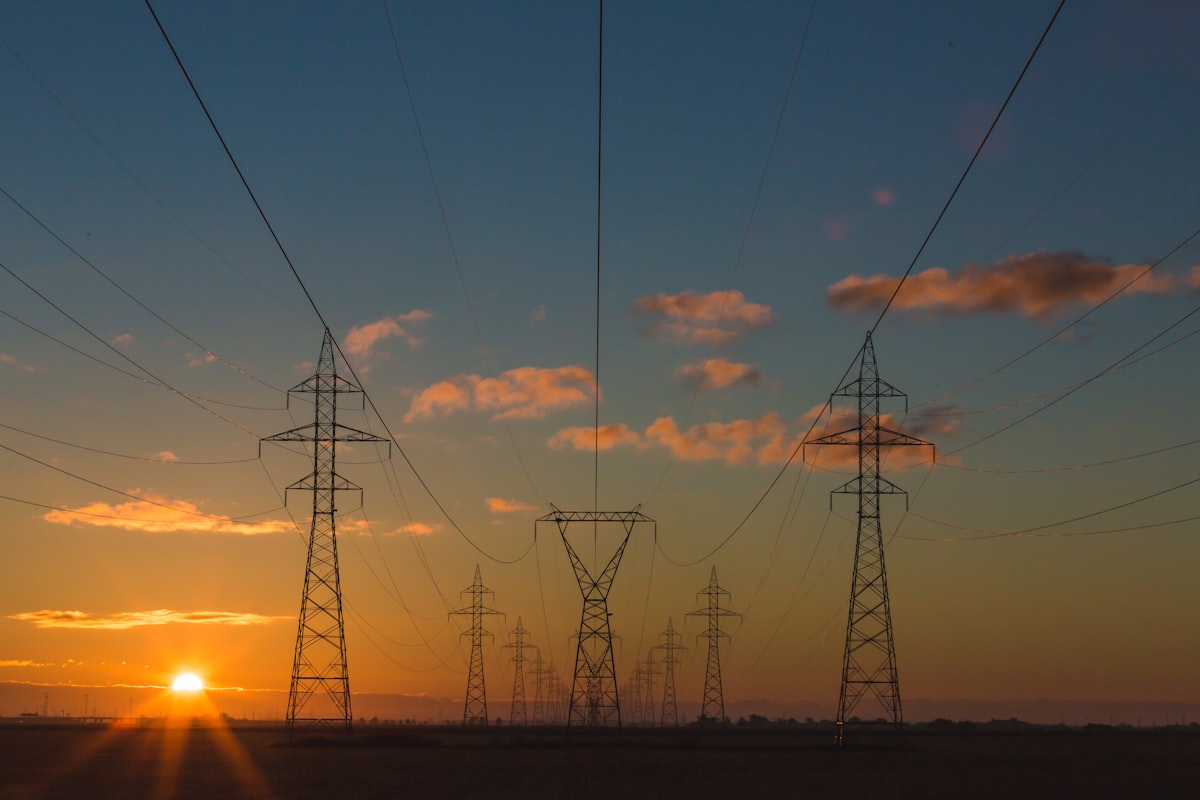
Natural gas prices in Texas have surged in recent months, driven by increased demand and supply constraints, prompting widespread concerns among consumers and businesses alike.
As of July 2026, prices have risen to an average of $4.75 per thousand cubic feet, marking a 30% increase compared to the same time last year. Analysts attribute this spike to several factors, including rising temperatures that have led to heightened air conditioning usage and a corresponding uptick in energy consumption.
According to Texas Gas Service, a major natural gas provider in the state, the demand for natural gas has surged by 15% over the past year. “We are witnessing a perfect storm of high demand from residential, commercial, and industrial users,” said spokesperson Michael Henson. “Our priority remains to ensure that our customers have access to reliable gas supplies.”
The situation has raised alarms for many Texas businesses, particularly in the manufacturing sector, where natural gas is a significant input for production. Houston-based Texas Instruments has reported rising operational costs, citing natural gas price hikes as a key factor. “Our production costs have increased substantially, and we are forced to evaluate our pricing strategy to maintain profitability,” stated CEO Rich Templeton.
On the consumer front, residential bills have also seen an uptick, with many households reporting monthly gas expenses soaring above $150. This surge has led to discussions among Texas lawmakers about the need for a relief package to assist families struggling to cope with higher energy costs.
In response to these challenges, energy experts are urging the state to invest in alternative energy sources, including renewables, to reduce reliance on natural gas. “While natural gas remains a key player in Texas, diversifying our energy portfolio is essential for long-term stability,” emphasized Dr. Laura Sanchez, an energy economist at The University of Texas.
Despite these challenges, Texas remains one of the largest natural gas producers in the U.S., with notable companies such as ExxonMobil and Chevron leading the charge. Both firms have indicated that they are working to increase production levels to help stabilize the market.
In summary, while the surge in natural gas prices poses immediate challenges for Texas consumers and businesses, it also underscores the importance of strategic investments in diverse energy sources. Addressing this crisis will require collaborative efforts from all stakeholders in the energy sector.