
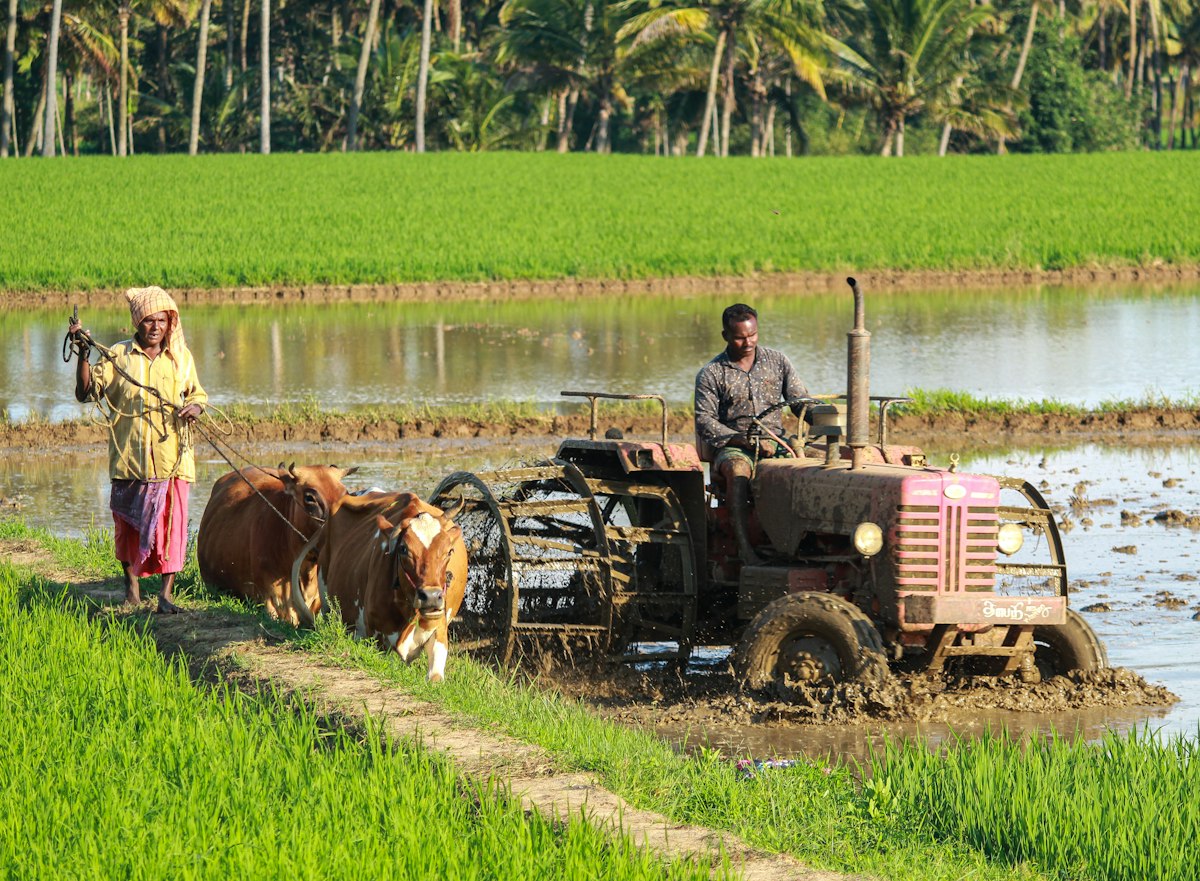
As Texas continues to face severe drought conditions, innovative water management strategies are emerging among the state's farmers to ensure sustainable agricultural practices.
According to the Texas Water Development Board, agriculture accounts for approximately 70% of the state’s water usage. With recent droughts impacting water supply, especially in regions like the Central Texas Hill Country, farmers are increasingly seeking effective ways to manage their water resources.
In response, the Texas Department of Agriculture has introduced the “Conserve Water, Grow More” initiative, which aims to educate farmers on advanced irrigation techniques. The program, launched earlier this year, has already attracted over 1,500 participants eager to adopt water-saving technologies.
“Investing in efficient irrigation systems is not just about saving water; it’s about securing our livelihoods,” said Maria Gonzalez, a rice farmer in Wharton County. “Without these innovations, our farms could face devastating losses.”
Tech companies are stepping in to assist farmers in adopting these new methods. One notable player, CropX Technologies, based in Austin, has developed soil-sensing technology that provides real-time data on soil moisture levels. Farmers can use this data to optimize irrigation schedules and reduce water waste. Recent studies indicate that farmers utilizing such technologies can achieve water savings of up to 50%.
The economic implications are significant. The Texas A&M University System estimates that every acre of irrigated land generates approximately $1,200 in revenue annually. Therefore, even small improvements in water management can translate into substantial economic benefits for farmers and the state economy.
Nevertheless, challenges persist. Many farmers report the high costs of upgrading irrigation systems as a barrier to implementation. “While the technology exists, financing remains a critical issue,” says Jake Thompson, a cotton farmer in the San Antonio area. “We need more support to make these changes happen.”
The state government is working to address these financial barriers. In June, the Texas Legislature approved a $15 million fund dedicated to assisting farmers in transitioning to advanced water management systems. The goal is to ensure that Texas agriculture can thrive even in the face of persistent drought conditions.
As water scarcity becomes an increasingly pressing issue, the resilience of Texas farmers is being tested. By embracing innovative water management strategies, they are not only safeguarding their crops but also setting a precedent for sustainable agriculture that other states may follow.