
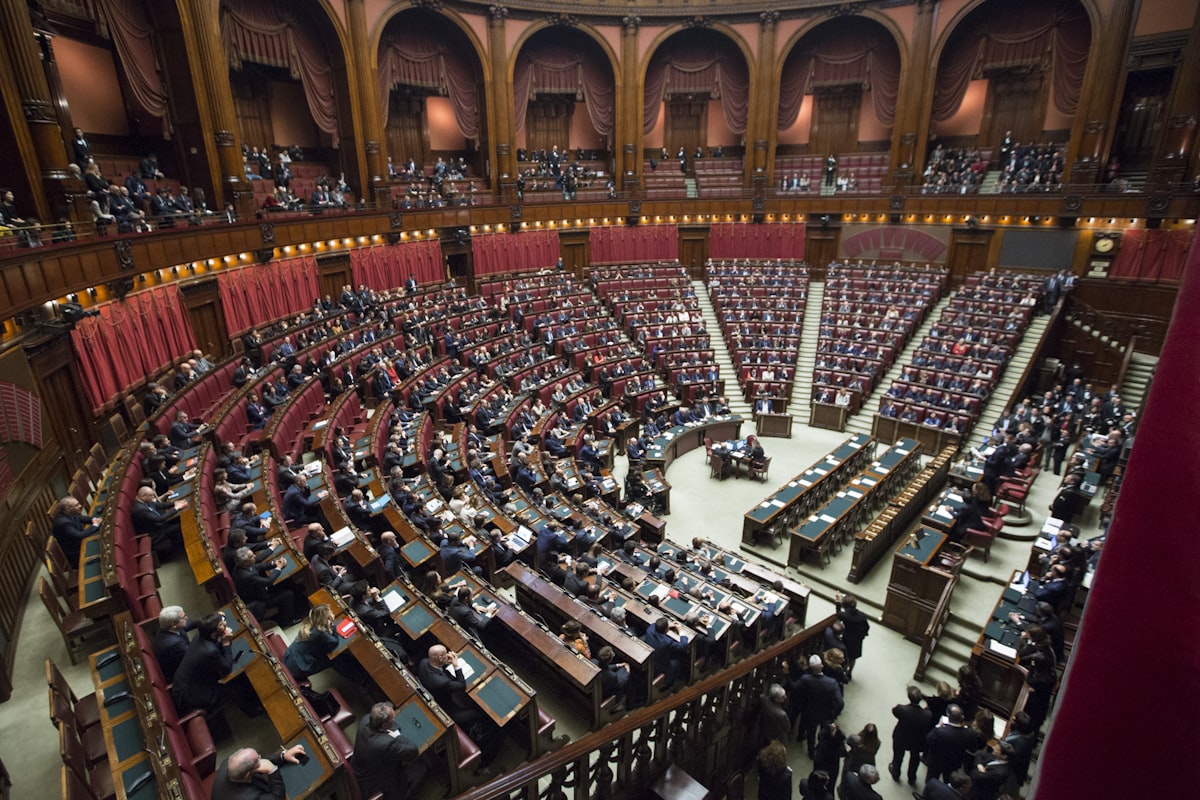
In a landmark decision, the Houston City Council voted unanimously on July 30, 2026, to approve a $500 million infrastructure plan aimed at modernizing the city’s aging roads and enhancing its flood resilience systems.
The plan, which will be funded through a combination of municipal bonds and federal grants, is part of a broader initiative to address the challenges posed by rapid urbanization and climate change. Mayor James Allen emphasized the importance of this investment during the council meeting: "This plan is essential for ensuring the safety and mobility of our residents. We cannot afford to wait any longer to address these critical issues."
The approved infrastructure plan outlines several key projects, including the resurfacing of over 300 miles of roads, the installation of advanced drainage systems in flood-prone areas, and the construction of pedestrian pathways to promote safe walking and biking. The initiative is expected to create approximately 3,000 jobs over the next two years, providing a significant boost to the local economy.
Councilmember Maria Lopez, who represents several flood-affected neighborhoods, expressed her satisfaction with the decision, stating, "For too long, our communities have suffered from inadequate infrastructure. This plan is a victory for public safety and equity across Houston." However, some critics have raised concerns about potential cost overruns and the environmental impact of construction projects.
The timeline for completion has been set at three years, with an initial focus on neighborhoods particularly vulnerable to flooding. The city also plans to engage with local residents throughout the process to ensure their needs and concerns are addressed.
Houston’s proactive approach to infrastructure is particularly significant given the challenges posed by increased rainfall and severe weather events that have plagued the region in recent years. As the city continues to grow, the successful implementation of these projects will be pivotal in shaping its resilience against future challenges.