
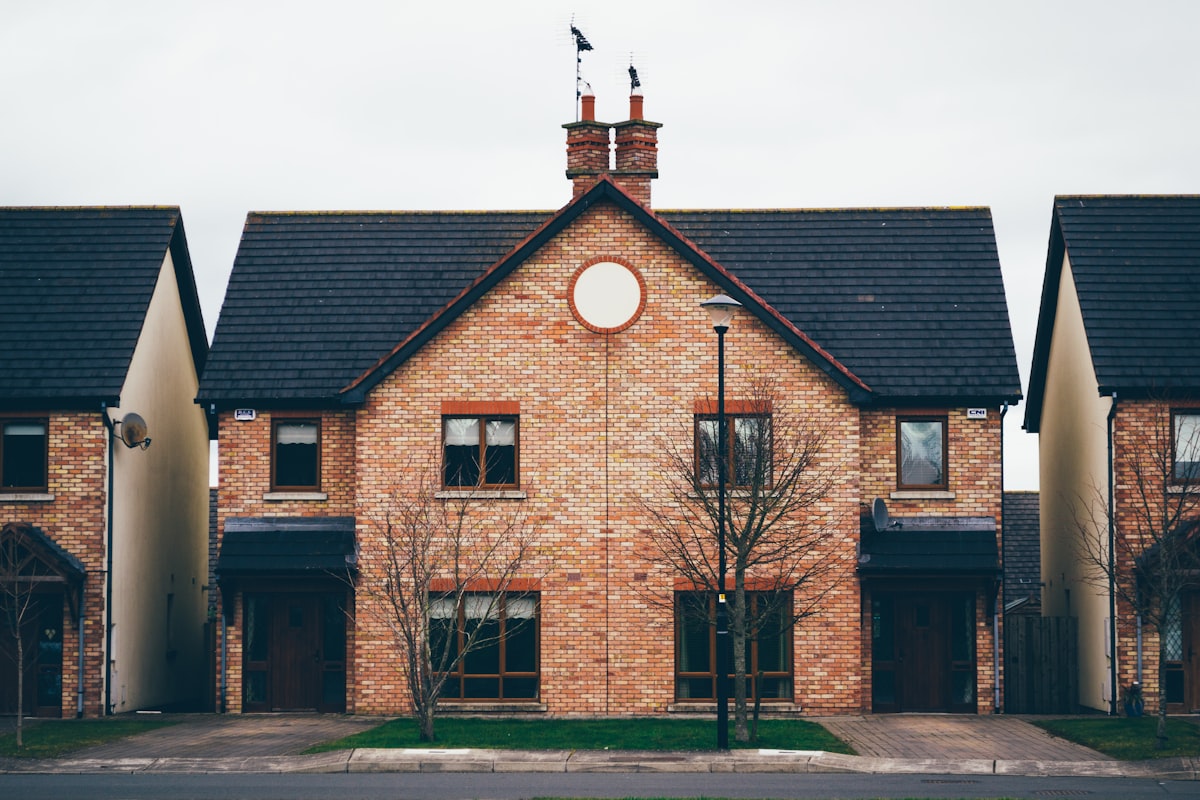
As the Texas housing market continues to thrive, an accompanying crisis of affordability looms large, particularly in major urban centers such as Austin, Dallas, and San Antonio. As of August 2026, soaring property prices and rental rates are raising alarms among policymakers and residents alike.
In Austin, where the median home price has surged to $550,000, many first-time homebuyers are finding it increasingly difficult to enter the market. The city has seen a 25% rise in the number of households spending more than 30% of their income on housing, according to the Austin Board of Realtors.
“It’s a crisis that we can no longer ignore,” said Mayor Kirk Watson of Austin. “We need to explore innovative solutions to ensure that our residents can afford to live in the very city they help build.”
In Dallas, the situation is similarly dire, with the median rent for a two-bedroom apartment reaching $2,200, a stark contrast to the average local wage of approximately $58,000 per year. This disparity has led to increasing numbers of residents seeking affordable housing options, often in suburban areas or neighboring cities.
The state government has proposed various initiatives to combat the affordability crisis, including measures to increase the availability of affordable housing through zoning reforms and incentives for developers. In Dallas, a recent proposal aims to streamline the permitting process for affordable housing projects, which proponents argue will expedite development.
“We need to remove the barriers that are making it difficult to build affordable units,” emphasized State Senator Angela Paxton, a proponent of the legislation. “If we can simplify the process, we can see more affordable homes come to market.”
Furthermore, public-private partnerships are being explored as a viable solution to the crisis. The Texas Housing Foundation is working with local governments and non-profits to develop mixed-income projects that would provide affordable housing options while ensuring that communities do not become overly gentrified.
Despite these efforts, the challenges remain profound. Experts warn that without significant action, Texas could face a housing crisis that may stifle economic growth and displace many residents. “The lack of affordable housing is not just a local issue; it has state-wide repercussions,” stated David McDonald, a housing policy expert.
As the Texas population continues to grow, with projections suggesting an increase of 5 million residents by 2030, the demand for affordable housing will only intensify. Addressing this issue will require collaboration among stakeholders at all levels, from state agencies to local governments and private developers.
In conclusion, while the Texas housing market flourishes, the reality of affordability cannot be overlooked. The path forward will depend on innovative solutions and a commitment to ensure that all Texans have access to safe and affordable housing.