
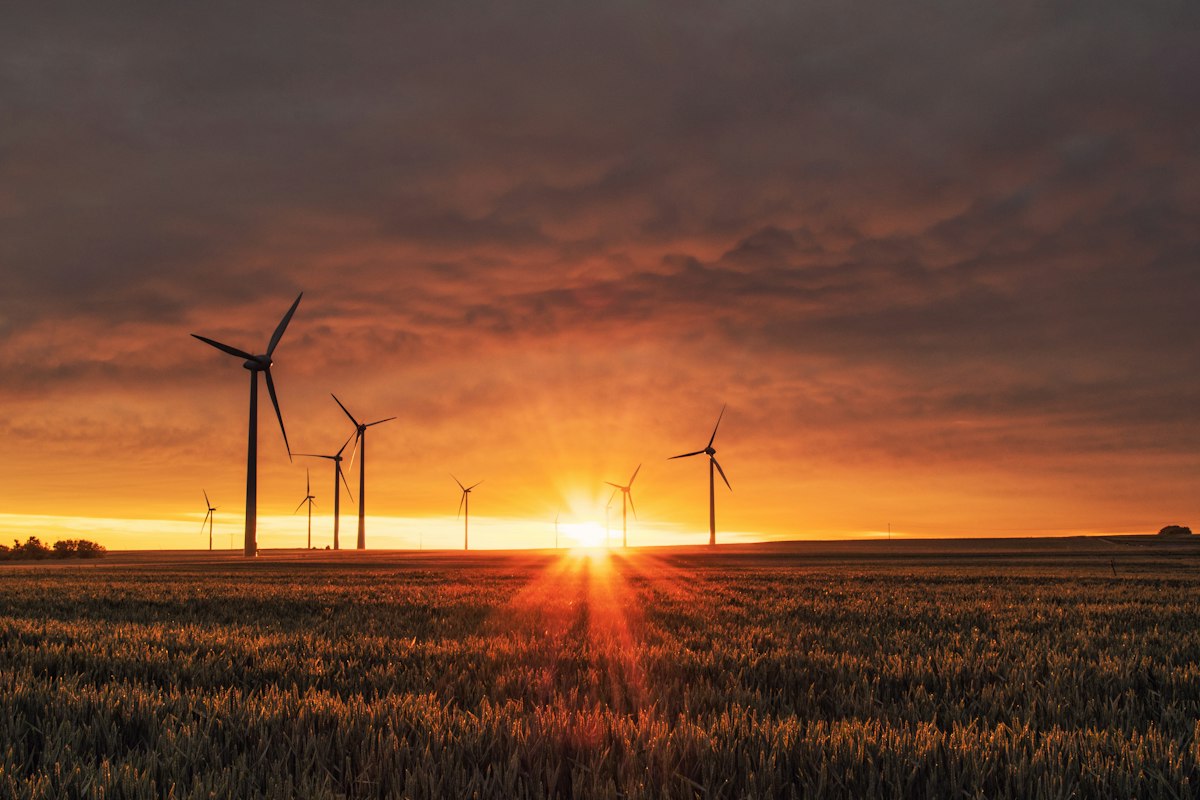
As temperatures in Texas soar to unprecedented highs this summer, energy prices have surged, raising concerns about the stability of the state's power grid.
In June 2026, the Electric Reliability Council of Texas (ERCOT) reported that demand for electricity reached an all-time high of 78,000 megawatts, surpassing previous records set during the summer of 2022. With a heatwave gripping the state, many Texans are relying heavily on air conditioning, putting immense pressure on electricity supply.
“We are operating at peak capacity, and while we have managed to avoid blackouts so far, the situation remains precarious,” stated Jack Silvers, spokesperson for ERCOT. “We are urging consumers to conserve energy during peak hours to help stabilize the grid.”
In response to the increased demand, wholesale electricity prices have skyrocketed, with average rates climbing to over $120 per megawatt-hour, a stark contrast to the $30 average seen at the beginning of the year. Analysts warn that without significant investments in infrastructure, the state could face energy shortages if the heat persists.
The situation has prompted lawmakers to call for urgent measures to bolster the grid. State Senator Evelyn Ramirez has proposed legislation aimed at accelerating investments in grid enhancements and renewable energy projects. “We need to ensure Texas can handle extreme weather events while transitioning to a more resilient energy future,” she emphasized.
Utility companies are also taking proactive measures. CenterPoint Energy announced they would begin rolling out energy efficiency programs aimed at reducing consumption during peak demand hours, specifically targeting residential users.
While the immediate focus is on addressing the heatwave, experts predict that climate change will exacerbate the frequency and intensity of such weather events in the future. “This summer is a wake-up call for Texas. We must be prepared for a future with more extreme temperatures,” warned Dr. Laura Chen, a climate scientist at Texas A&M University.
As the summer unfolds, the eyes of regulators, businesses, and consumers will remain fixed on the energy market, with a focus on balancing supply and demand while ensuring affordability and reliability in the face of climate challenges.