
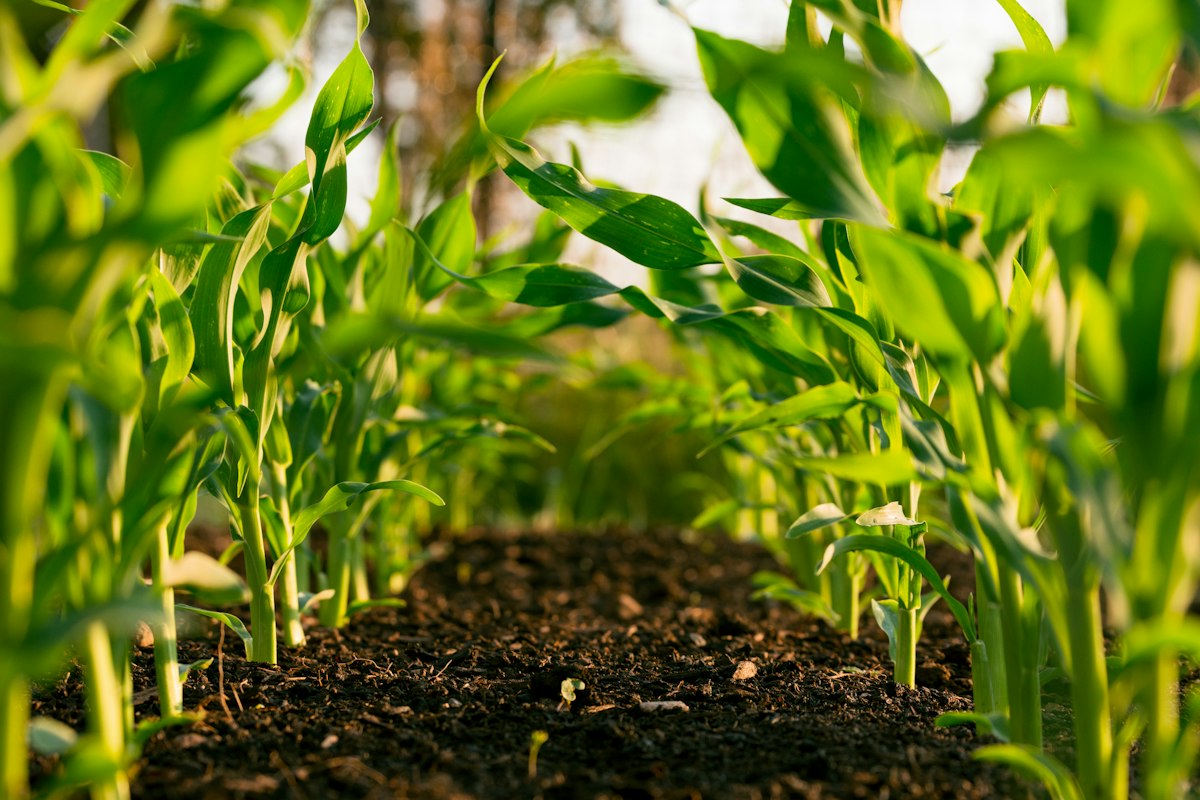
In a race against climate change, Texas farmers are increasingly adopting cutting-edge technologies to enhance productivity and sustainability in agriculture.
From drone-assisted crop monitoring to precision irrigation systems, innovations are reshaping traditional practices in Texas's sprawling farmland. For instance, BioAgTech, a startup based in San Antonio, recently developed a drone system that uses AI to analyze crop health in real-time, enabling farmers to apply fertilizers and pesticides more efficiently.
“Our technology allows farmers to save on input costs and increase their yields by up to 20%,” said Maria Gonzalez, CEO of BioAgTech. “In a time when every dollar counts, these innovations are crucial for maintaining profitability.”
Moreover, the use of smart irrigation systems is becoming more prevalent. Companies like AquaSmart in Dallas are providing farmers with tools to monitor soil moisture levels and automate irrigation schedules, significantly reducing water waste. Farmers utilizing these systems have reported up to a 30% reduction in water usage without compromising crop health.
The Texas Agricultural Extension Service emphasizes that the adoption of technology is not merely a trend but a necessity for the future of the industry. “With climate variability and increasing competition, technology will be key in ensuring food security,” stated Dr. John Reynolds, an agricultural extension agent.
As part of a broader push for innovation, Texas A&M University has launched an initiative to collaborate with tech companies and agricultural producers. The program aims to foster research and development of new technologies that address the pressing challenges faced by farmers.
“This partnership is designed to bridge the gap between tech advancements and agricultural needs,” explained Dr. Karen Patel, a program coordinator. “Our goal is to empower farmers with the tools they need to thrive.”
Investments in agricultural technology are also attracting interest from venture capitalists. Over the last year, funding for agri-tech startups in Texas surged by 40%, reflecting a growing recognition of agriculture as a pivotal sector for innovation and economic growth.
However, the transition to high-tech farming is not without its challenges. Many farmers, particularly those in rural areas, face barriers such as high costs, lack of access to training, and limited internet connectivity.
Despite these hurdles, the optimism surrounding agricultural technology continues to grow as more producers experiment with and adopt these new tools. As Texas farmers navigate the complexities of a changing climate, the integration of technology may ultimately determine the future landscape of the state's agricultural sector.