
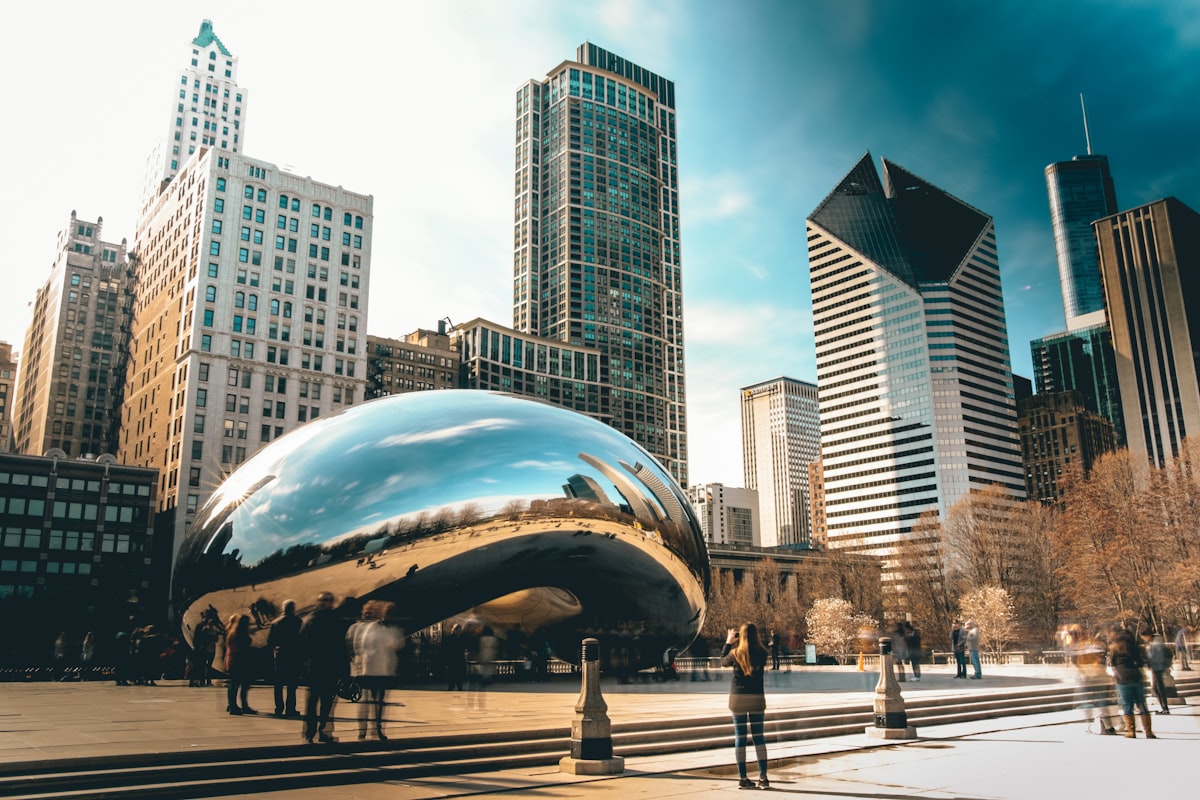
Dallas is ushering in a new era of urban development characterized by a significant rise in mixed-use projects, reshaping the city's landscape and its approach to community living.
In recent months, several major developments have been announced, including the ambitious $1.2 billion Midtown Dallas project, which will feature residential, commercial, and recreational spaces all within a walkable environment. Set to break ground in early 2027, this project is expected to revitalize the 80-acre site near the intersection of Central Expressway and Mockingbird Lane.
“Our goal is to create a vibrant community that fosters both living and working in proximity,” said David Robinson, CEO of Midtown Ventures, the firm behind the project. “We believe that mixed-use developments not only enhance urban living but also contribute to local economies.”
The trend is not limited to Midtown; other neighborhoods like Deep Ellum and the Design District are also seeing a surge in mixed-use proposals. In total, over $2 billion in mixed-use projects are currently in various stages of planning or development across the city.
One noteworthy project is the $300 million Elm Street project, which will include high-end apartments, retail spaces, and a public park. Set to open by late 2028, it aims to attract a younger demographic that values convenience and community engagement.
The Dallas City Council has been actively supporting this trend, recently passing new zoning regulations aimed at facilitating faster approvals for mixed-use developments. This initiative is part of a broader strategy to combat urban sprawl and promote sustainable growth in the city.
“We want to encourage developers to think creatively about how to use land in urban areas,” explained Councilmember Sarah Martinez. “Mixed-use developments are a solution that benefits both the city and its residents by reducing commute times and creating vibrant neighborhoods.”
Despite the positive outlook, challenges remain. Rising construction costs and labor shortages are increasingly becoming obstacles for developers. The Dallas Builders Association reported that the cost of materials has risen by 20% over the past year, causing some projects to be delayed or scaled back.
As the demand for urban living continues to grow, industry experts are optimistic that Dallas will continue to adapt and evolve, fostering a diverse urban environment that meets the needs of its residents while also driving economic growth.