
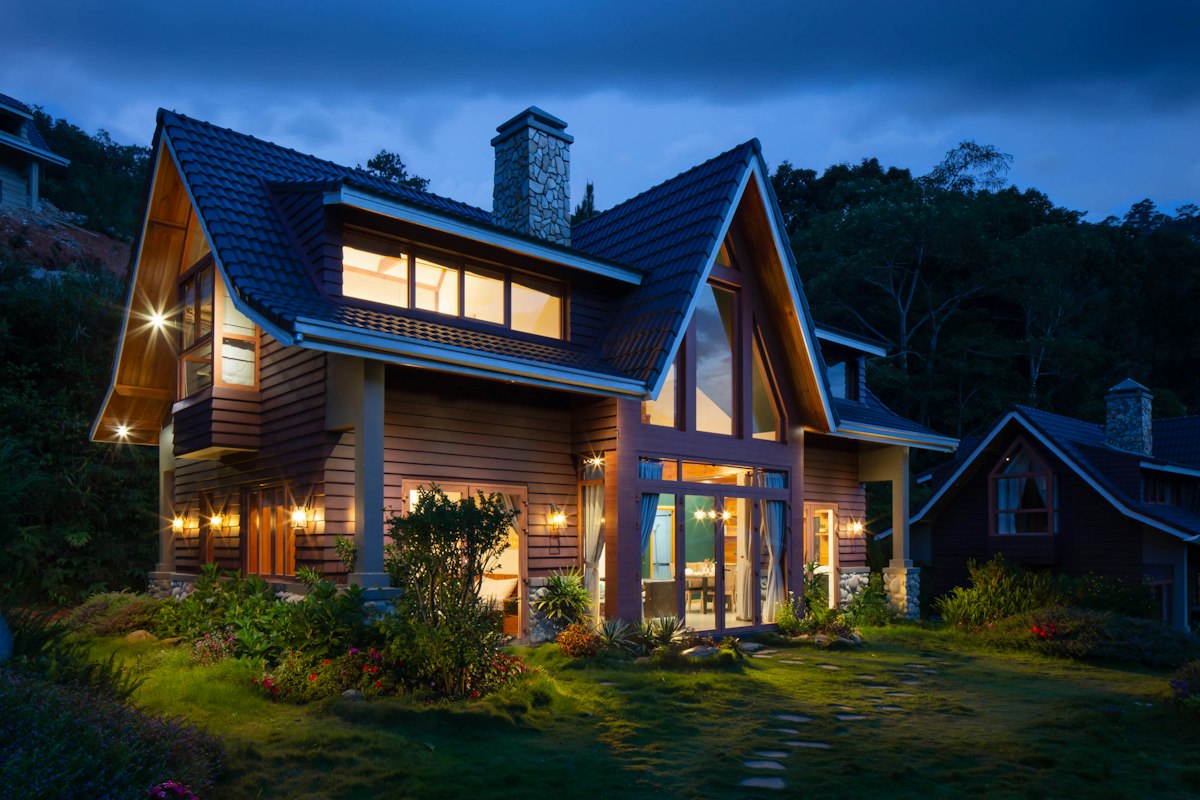
The Dallas-Fort Worth (DFW) area is witnessing a surge in home prices, with the median home price surpassing $400,000 for the first time in history, driven by limited inventory and sustained demand.
According to the latest report from the Texas A&M Real Estate Center, the median price of single-family homes in the DFW area reached $405,000 in June 2026, marking a 12% increase from the previous year. This price escalation has been attributed to a combination of factors, including population growth, low interest rates, and a persistent shortage of available homes.
"The market is definitely in a frenzy right now," said David Brown, CEO of the Dallas Builders Association. "We are not only facing a shortage of homes but also increasing demand from both out-of-state buyers and young professionals looking to settle in the area. It’s a classic supply and demand situation that is pushing prices higher."
The current inventory of homes for sale stands at just 1.2 months, far below the six months that typically indicates a balanced market. Builders are struggling to keep up, with many citing delays in obtaining materials and labor shortages as significant hurdles. In June alone, only 6,300 new homes were listed in the DFW area, a decrease of 8% compared to last year.
To address the growing crisis, local authorities are implementing initiatives aimed at increasing housing supply. In May 2026, the Dallas City Council approved a plan to expedite permitting processes for new developments, aiming to bring more homes to market more quickly. However, these efforts have yet to make a significant impact on the tightening market.
Meanwhile, the rental market is also experiencing pressures. The average rent for a one-bedroom apartment in downtown Dallas has climbed to approximately $2,200, a 15% increase from 2025. This has led many would-be homebuyers to remain in the rental market longer, further exacerbating demand for available properties.
As the DFW area braces for continued growth, experts warn of potential consequences. "If this trend continues, we may see more families priced out of homeownership in the coming years," cautioned Dr. Emily Foster, an economist at the University of Texas at Arlington. "It’s a critical time for policymakers to consider measures that can help stabilize this market before it spirals out of control."
With demand showing no signs of slowing, DFW real estate remains a hot topic for investors, homeowners, and policymakers alike, as they navigate the complexities of this rapidly shifting landscape.