
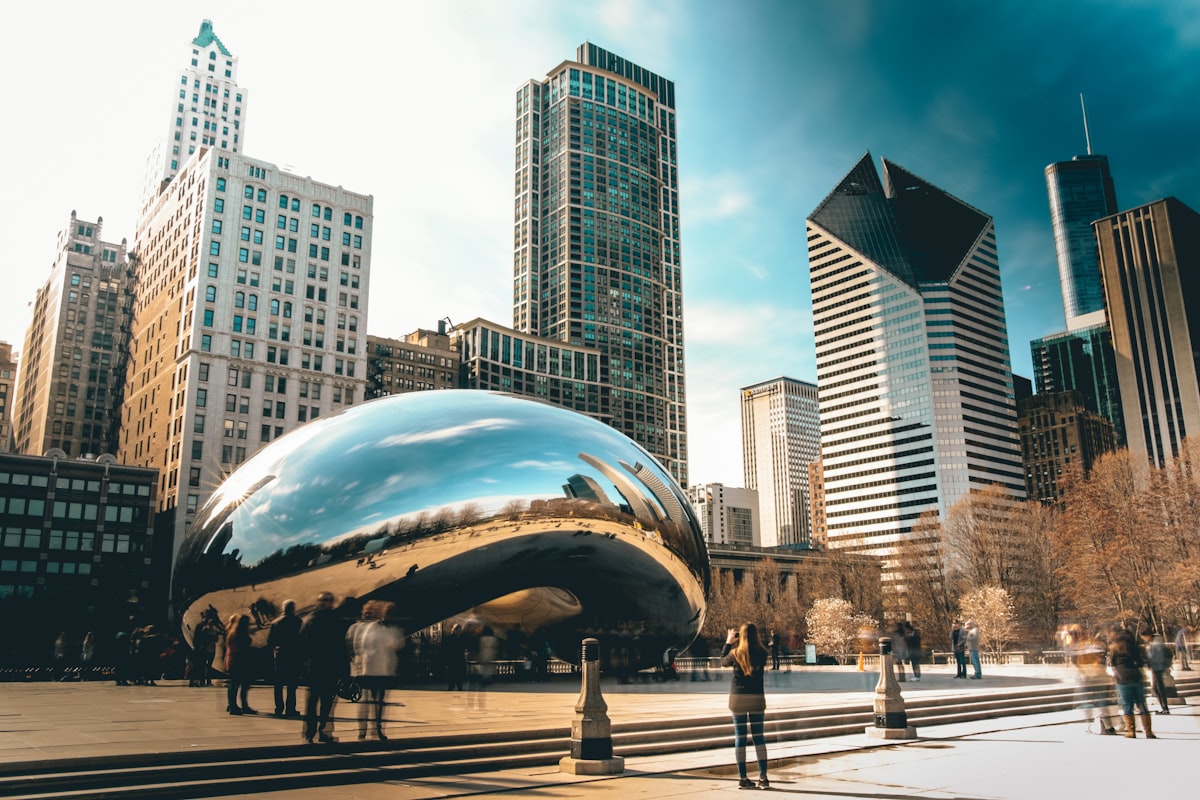
The Dallas commercial real estate market demonstrates resilience as it navigates rising costs and evolving tenant demands amid an uncertain economic landscape.
In the heart of Texas, Dallas has become a bellwether for commercial real estate, with new data indicating a steady demand for office space despite the broader economic challenges. According to a recent report by CBRE, the office vacancy rate in Dallas-Fort Worth (DFW) remains stable at 18.5%, significantly lower than the national average of 20.4%.
"Dallas is uniquely positioned due to its diversified economy and a strong influx of talent from other states," noted Rebecca Smith, Senior Vice President at CBRE. "This growth trajectory has provided a buffer against the pressures many other markets are facing." The city's emphasis on technology, finance, and healthcare has bolstered demand for commercial properties, enabling it to weather economic fluctuations more effectively than other regions.
However, challenges remain. Rising construction costs, spurred by inflation and supply chain disruptions, have led to an increase in commercial lease rates. The average cost per square foot for office leases has risen by 5% in the past year, now averaging $36 in prime areas, according to JLL's latest figures.
Furthermore, the trend towards hybrid work has led companies to rethink their spatial requirements. Many businesses are downsizing office footprints or seeking flexible lease options that allow for scalability. "The demand for flexible workspaces is at an all-time high. Companies are looking for solutions that provide both cost savings and adaptability," said Mark Thompson, CEO of Real Estate Innovations.
In response, developers are increasingly focusing on creating mixed-use spaces that combine residential, retail, and office components. This trend aligns with the growing preference for live-work-play environments as urban living becomes increasingly desirable.
The Dallas area has seen several high-profile developments, including the recent completion of The Epic, a mixed-use development in the Victory Park neighborhood that offers over 300,000 square feet of office space alongside luxury apartments and retail outlets. Such projects are attracting tenants looking for a holistic living experience.
As the Dallas commercial real estate market adapts to these new realities, industry experts project continued growth for the city. "The fundamentals of the Dallas-Fort Worth market remain strong, and we expect to see sustained interest from investors and tenants alike," concluded Smith. The adaptability of the Dallas market will be crucial as it navigates the complexities of 2026.