
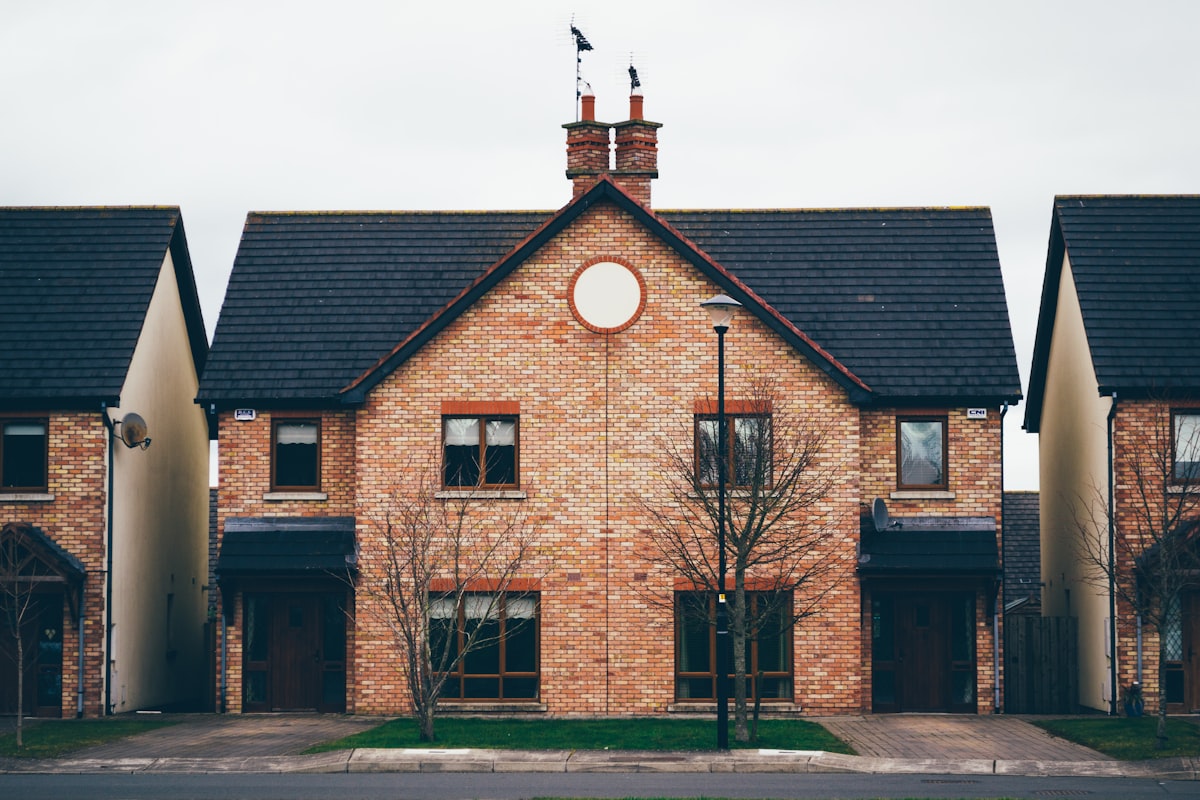
As Austin's real estate market thrives, sustainability concerns are coming to the forefront, prompting city officials to take action.
The Texas capital, renowned for its vibrant culture and robust tech scene, has seen home prices soar to an average of $550,000, a 20% increase since 2025. With the influx of tech companies and remote workers, demand for housing has surged, leading to a construction boom. The city's urban landscape is rapidly changing, raising questions about the sustainability of such growth.
“We need to ensure that growth is managed responsibly,” stated Mayor Steve Adler during a recent city council meeting. “Sustainability should be at the core of our development plans to maintain the quality of life that makes Austin unique.”
One of the key issues is the environmental impact of new developments. Critics argue that the rapid construction of residential units is contributing to increased traffic congestion and strain on local resources. “We are seeing too many developments without adequate infrastructure,” noted Jane Mitchell, a local environmental activist. “It's crucial that we balance growth with environmental preservation.”
In response to these challenges, the city is exploring policies aimed at enforcing stricter environmental regulations on new developments. Recent proposals include increasing green space requirements and implementing sustainability assessments for major projects. The goal is to ensure that new housing not only meets the needs of residents but also aligns with environmental goals.
While the need for housing is urgent, community members are voicing concerns over gentrification and the displacement of long-term residents. The rising property values are pushing many families out of their neighborhoods, and activists are advocating for inclusionary zoning policies that would require developers to allocate a portion of units for affordable housing.
The city’s planning department is currently conducting a study to assess the long-term impacts of current growth patterns. Findings are expected to be published later this year, providing crucial data to inform future policy decisions.
Despite these challenges, investors continue to see potential in Austin's real estate market. The demand for rentals is particularly strong, with average rents increasing by 14% over the past year, as more individuals flock to the city for its job opportunities and lifestyle. “Austin is still a hot market for investors,” said Samuel Parker, a local real estate investor. “There's no sign of slowing down.”
In conclusion, as Austin's real estate landscape evolves, balancing growth with sustainability will be paramount. Addressing the pressing issues of affordability and environmental impact will ultimately determine the city's ability to maintain its charm amid rapid expansion.