
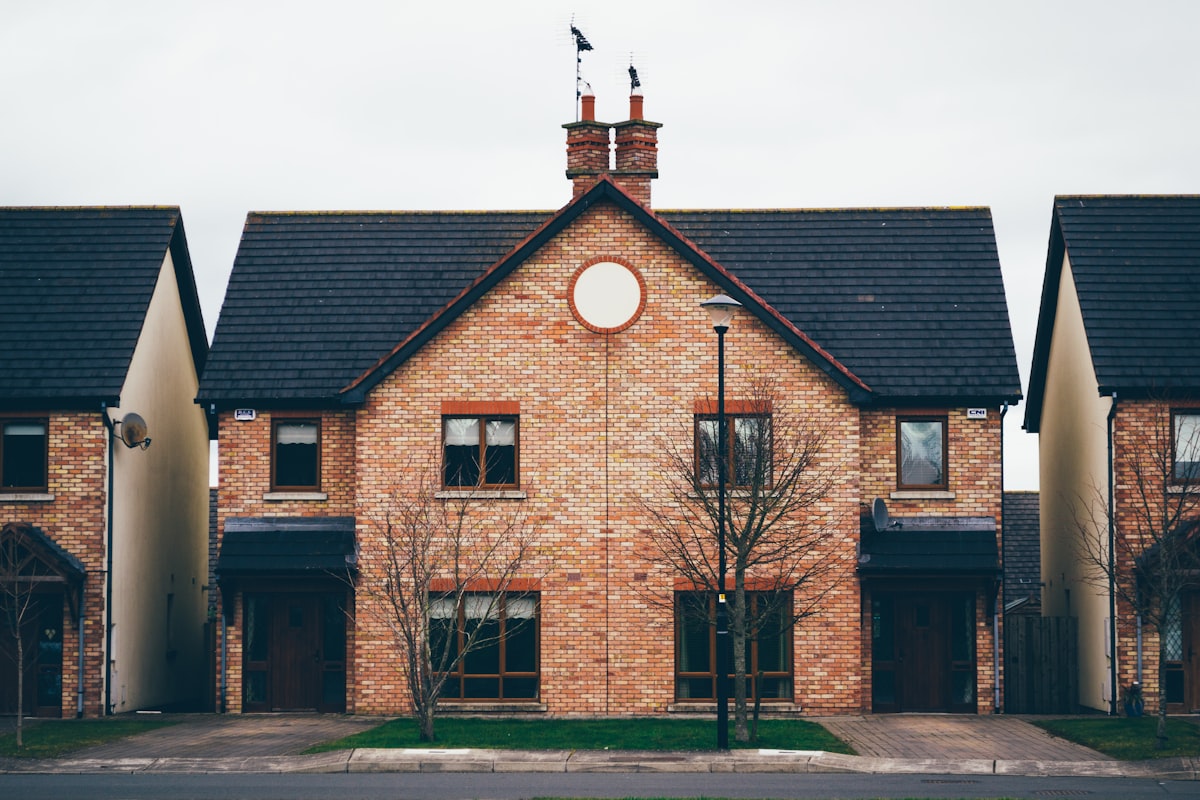
Austin's luxury real estate market, once considered bulletproof, is now experiencing a notable cooling trend as economic conditions shift and buyer sentiment evolves.
According to the Austin Board of Realtors, luxury home sales—defined as properties priced over $1 million—declined by 15% in the first quarter of 2026 compared to the previous year. The median price for luxury homes also dipped slightly to $1.5 million, marking the first decrease in several years.
"The high-end market is experiencing a correction after several years of unprecedented growth," commented Sarah Williams, a local luxury real estate agent with Keller Williams. "Buyers are becoming more selective, and many are reassessing their purchasing decisions amid rising interest rates and economic uncertainty."">
This slowdown can be attributed to several factors, including increased mortgage rates and a shifting economic landscape. The allure of Austin's vibrant cultural scene and tech-driven economy remains intact, yet potential buyers are proceeding with caution, leading to longer sales cycles and increased inventory levels.
In the luxury segment, properties that were previously in high demand are now staying on the market longer. Homes priced over $2 million are seeing the most significant impact, with an average time on the market extending to 90 days, up from 45 days last year.
"We're seeing a shift in buyer behavior—many buyers are waiting for the right moment and looking for deals," Williams added. "The competition that once defined this market has eased, allowing buyers to negotiate more favorable terms."">
Developers are also adapting to the changing market conditions. New luxury projects, such as the $50 million Hilltop Residences, are being scaled back, with developers opting to focus on creating more affordable luxury options instead. This strategic pivot is seen as a response to shifting buyer preferences and economic realities.
Despite the cooling, experts remain optimistic about the long-term stability of Austin's luxury market. The city's continued growth and appeal as a technology hub suggest that demand may stabilize once economic conditions improve.
"Austin has always been resilient, and this market will find its balance again," concluded Williams. "While we may be in a correction phase now, the fundamentals of demand remain strong, and we're optimistic about the future."">
As Austin's luxury real estate market adapts to these changing dynamics, both buyers and sellers must navigate the landscape with strategic foresight, balancing immediate opportunities with long-term aspirations.