
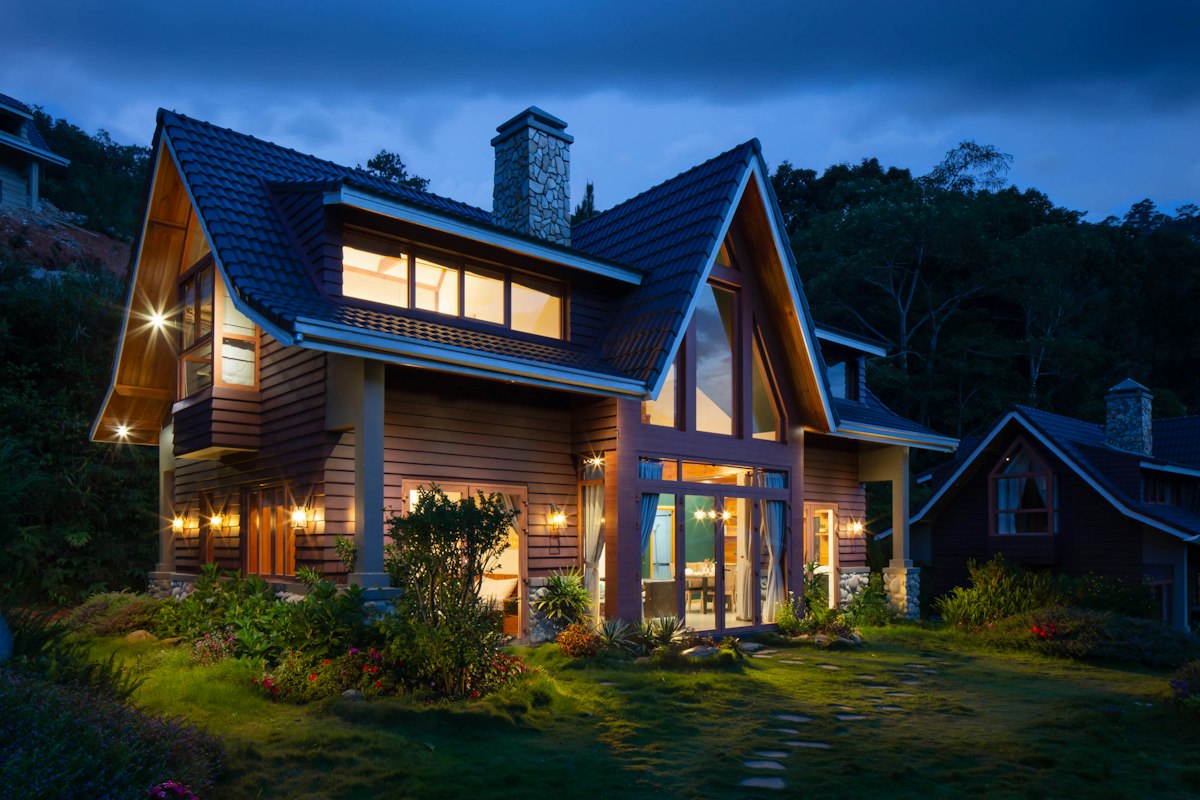
The Austin housing market is demonstrating signs of stabilization as rising interest rates begin to reshape the landscape for buyers and sellers alike.
As the Federal Reserve has implemented a series of interest rate hikes, the mortgage rates have surged, peaking at 7.5% this July, marking a significant increase from the historic lows seen just a year prior. This change has prompted prospective homebuyers in Austin to reassess their purchasing power and, in some cases, abandon their plans.
According to the Austin Board of Realtors, the median home price in the city has seen a modest decline of 4.2% year-over-year, now standing at $515,000. This decrease reflects a broader trend as the market adjusts to the new financial realities. “We are experiencing a natural cooling period,” said Susan Wright, the president of the Austin Board of Realtors. “Sellers need to be realistic about pricing, and buyers are becoming more cautious with their offers.”
The combination of elevated mortgage rates and economic uncertainties has led to a notable increase in the average days on market for homes in the Austin area, which now averages 45 days, up from 30 days a year ago. This extended timeframe indicates a shift toward a more balanced market, allowing buyers to take their time in making significant financial decisions.
Real estate analysts also point to the influence of external factors, such as the ongoing tech industry growth in the region, which continues to attract newcomers despite the rising costs of living. Companies like Tesla and Google have established significant operations in Austin, ensuring that demand for housing remains robust, albeit more selective.
In an effort to entice buyers, many sellers are adapting their strategies. A growing number of property listings are featuring seller concessions, with many offering to cover a portion of closing costs or providing home warranty plans to make their offers more attractive.
Despite the challenges faced by potential homeowners, there are signs of resilience in certain segments of the market. Luxury homes, particularly those priced above $1 million, are still seeing competitive bidding, with an increase in cash offers as affluent buyers look to capitalize on perceived opportunities.
As Austin continues to navigate this evolving market, industry experts remain optimistic. “While the landscape is shifting, Austin’s long-term fundamentals — job growth, population influx, and a vibrant culture — will ultimately sustain our market,” noted economist Dr. Rachel Stevens.