
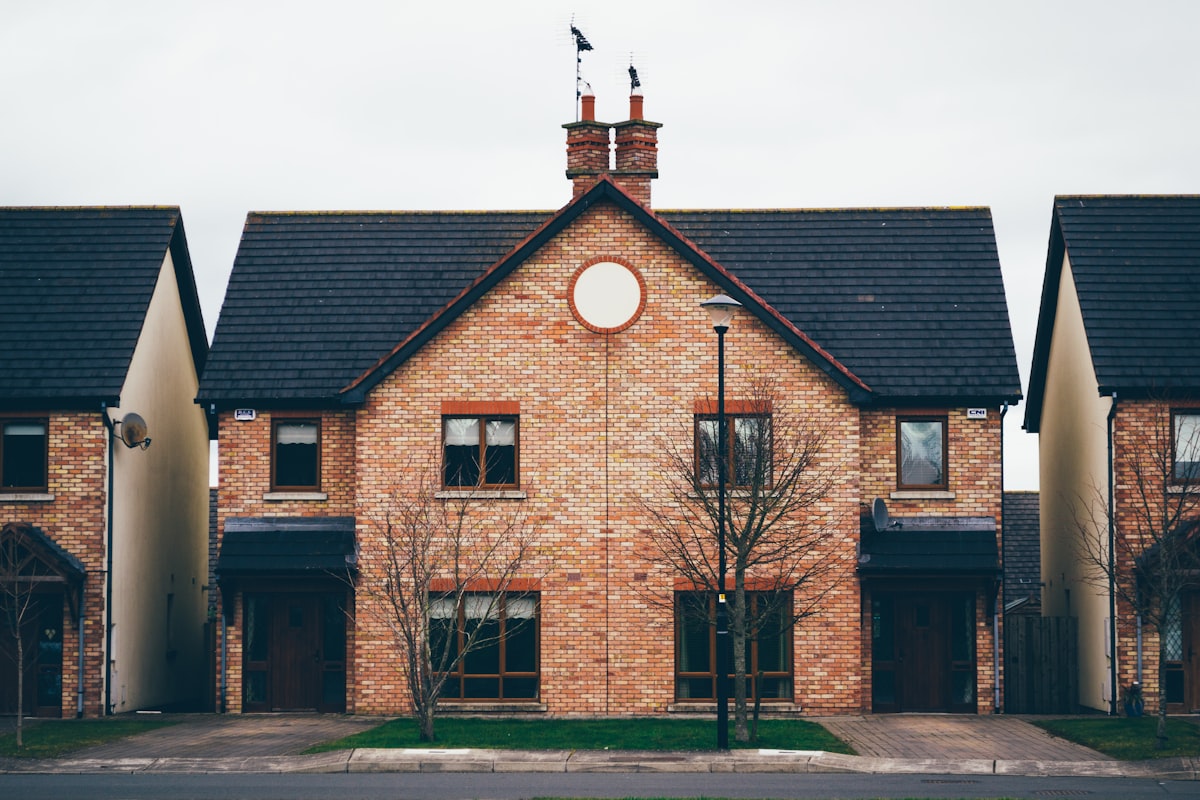
As of July 2026, Austin, Texas, is grappling with a severe affordable housing crisis exacerbated by a staggering population surge.
The city has experienced an influx of over 50,000 new residents in the past year alone, driven by its booming tech industry and vibrant cultural scene. According to the U.S. Census Bureau, Austin is now among the fastest-growing cities in the nation, with a current population exceeding 1 million. However, this rapid growth has placed immense pressure on the local housing market.
The median rent for a one-bedroom apartment in Austin has skyrocketed to $2,200, a 30% increase from just two years ago. Many long-term residents are being priced out, leading to concerns about displacement and social equity. “We are witnessing a serious crisis where affordable options are dwindling,” noted Sarah Martinez, Executive Director of the Austin Housing Coalition. “If we do not address this issue urgently, we risk losing the very diversity that makes Austin so unique.”
Local government initiatives are underway to tackle the issue, including the recently approved $300 million Affordable Housing Bond aimed at increasing the supply of affordable units by 10,000 over the next five years. However, critics argue that these measures may be insufficient given the scale of the problem.
In response to the crisis, private developers are also stepping in. Companies like Lennar and PulteGroup are focusing on building affordable housing units, although the challenges of rising construction costs and labor shortages make these projects increasingly difficult to complete. “We are committed to doing our part to alleviate the housing shortage,” said Mark Trotter, President of Lennar Texas. “However, we need support from local and state governments to create a conducive environment for affordable housing development.”
Community organizations are advocating for more inclusive zoning policies to allow for greater density in residential areas. As public discourse intensifies around the issue, stakeholders are beginning to recognize that addressing affordable housing is not just an economic concern but a moral imperative.
The future of Austin’s housing market hangs in the balance as policymakers, developers, and community leaders grapple with the pressing need for affordable housing solutions. Without decisive action, the city risks facing a prolonged crisis that could impact its economic vitality and social fabric.